
Travel makeup remover wipes can be a lifesaver when you land late, crash in a hotel bed, or need a quick reset between flights, but they also tend to be the product that leaves people wondering why their skin feels tight, sticky, or not fully clean.
If you travel often, this matters more than it sounds, because wipes become your “default cleanse” on days when your normal routine gets squeezed out, and small habits add up fast when you repeat them week after week.
This guide breaks down what wipes can and can’t do, how to pick a travel-friendly option without guessing, and how to use them so your face feels actually clean, not just “makeup looks gone in the mirror.”
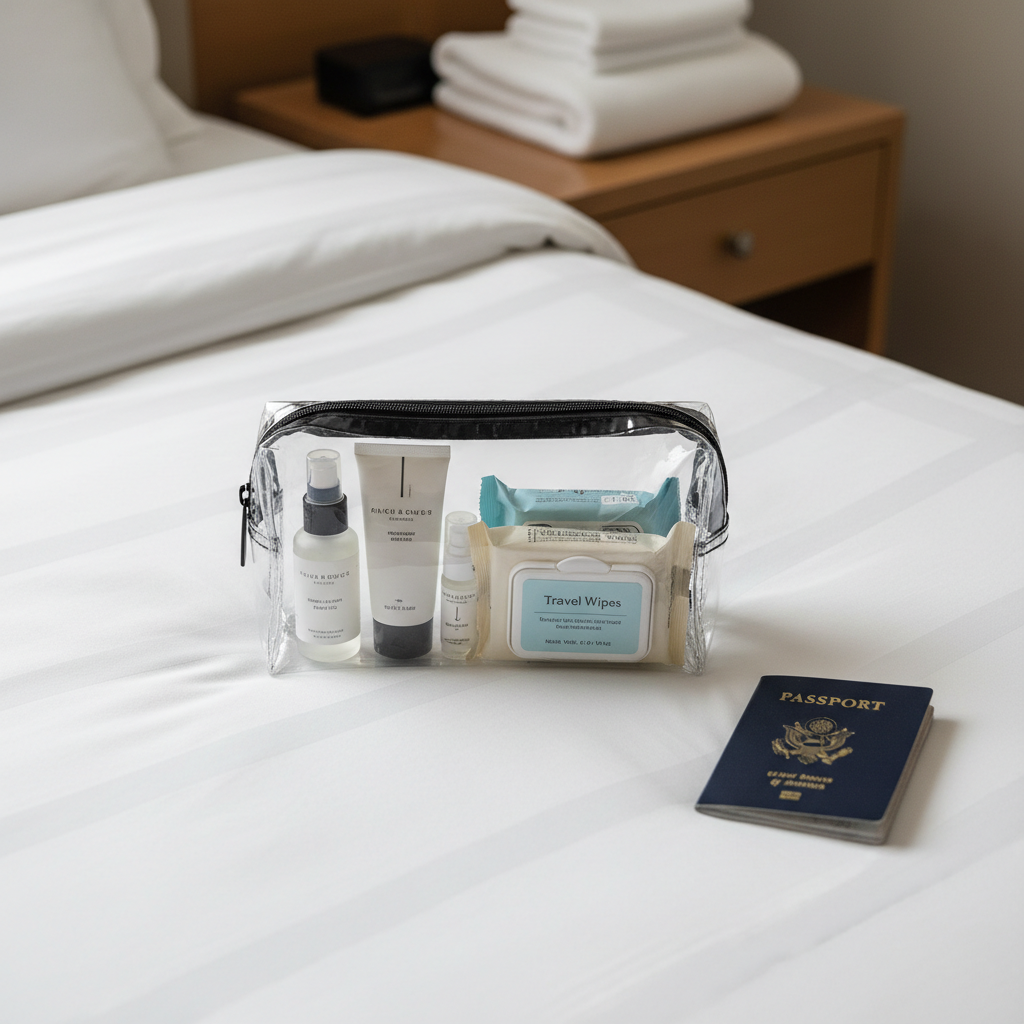
What wipes do well (and where they fall short)
Wipes are good at one thing: fast removal of surface makeup and sunscreen when you can’t get to a sink. For travel, that convenience is real.
But wipes rarely replace a full cleanse. Many formulas rely on surfactants (cleansing agents) plus conditioning ingredients that help the wipe glide, and that combo can leave a film that feels “soft” at first, then shows up as clogged pores or irritation for some people.
- Best use cases: flights, long car rides, festivals, post-gym, quick refresh before reapplying sunscreen.
- Less ideal: heavy long-wear foundation, waterproof mascara, strong water-resistant sunscreen, acne-prone flare-ups.
According to American Academy of Dermatology (AAD)... gentle cleansing and avoiding harsh rubbing tends to be important for protecting the skin barrier, which is exactly where wipe use can go wrong if you scrub aggressively.
Why travel wipes sometimes leave skin “not clean”
If you’ve ever used a wipe, felt clean, then later saw leftover mascara smudges or woke up with congestion, it’s usually one of these.
- Not enough product contact time: quick swipes lift pigments but don’t fully dissolve oils and waxes.
- Too much friction: repeated rubbing can trigger redness, especially around eyes and nose folds.
- Residue left behind: some wipes are “no-rinse,” but your skin may still prefer a light rinse or follow-up.
- Wrong wipe for the job: waterproof eye makeup often needs a dedicated remover, not a multipurpose wipe.
- Dry cabin air + surfactants: flying already dries skin, wipes can make that feeling more noticeable.
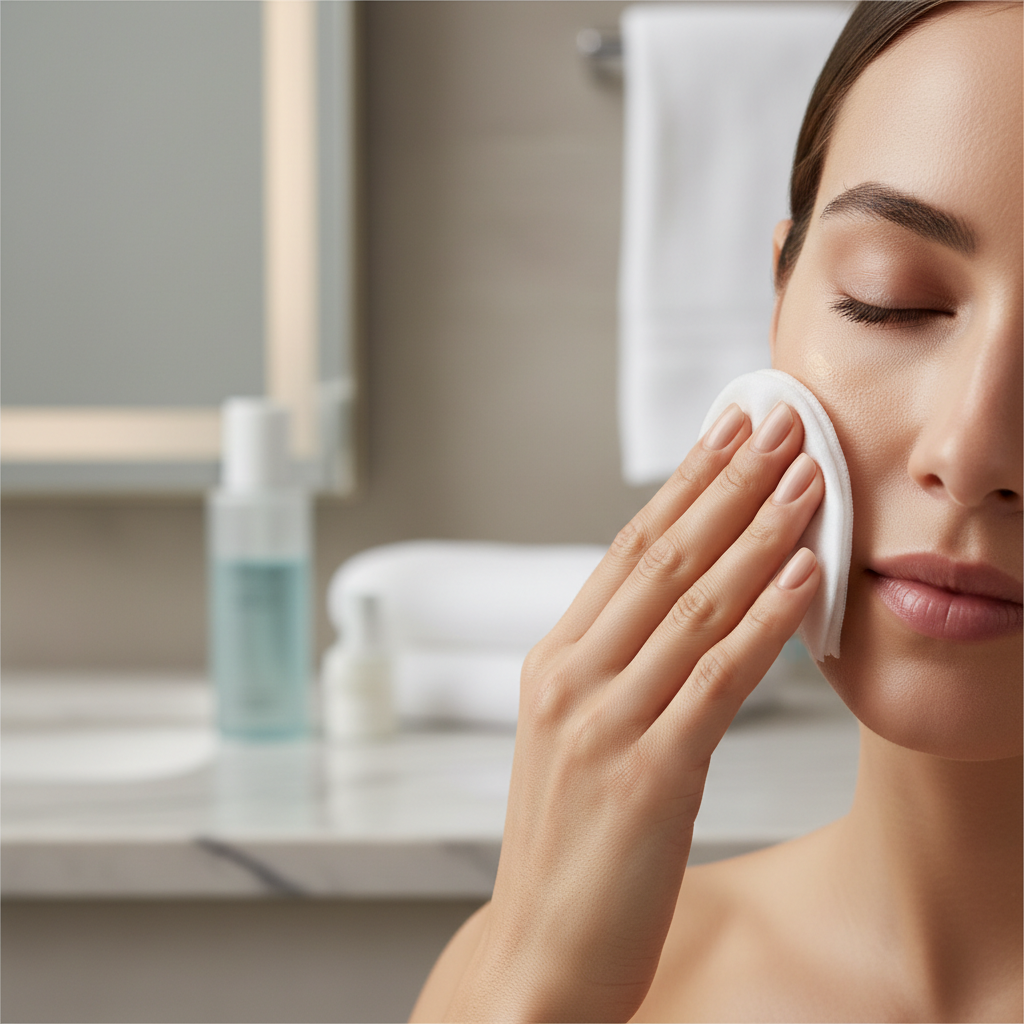
Quick self-check: are wipes enough for your trip?
This is the part most people skip. Your travel schedule and your skin type decide whether wipes can be your main cleanser or just your backup.
A wipe-only night is usually fine if…
- You wore light makeup or tinted moisturizer.
- Your sunscreen was not heavy water-resistant.
- Your skin is not currently irritated, peeling, or breaking out.
- You can follow with a simple moisturizer.
You’ll likely need a follow-up cleanse if…
- You wore long-wear foundation, stage makeup, or waterproof mascara.
- You reapplied sunscreen multiple times.
- You’re acne-prone and notice clogged pores easily.
- You feel a slippery film after wiping.
If you’re on the fence, plan for wipes plus a minimalist rinse option, even a tiny gentle cleanser decanted into a travel bottle can change the whole outcome.
How to choose travel makeup remover wipes (without getting tricked by marketing)
Packaging claims sound similar, so it helps to shop by priorities: eye comfort, barrier support, and actual makeup type.
- For sensitive skin: look for fragrance-free and alcohol-free (different brands label this differently), and prioritize “gentle” formulas. If you react easily, patch testing still matters, even for wipes.
- For waterproof makeup: consider wipes labeled for waterproof removal, or pair regular wipes with a small eye makeup remover.
- For acne-prone travelers: avoid ultra-oily residue. “Hydrating” can be great, but if it leaves a coating, you may want a quick rinse after.
- For true carry-on convenience: pick resealable packs that don’t dry out after day two.
Also, check the wipe material. Softer cloth with less texture usually means less tugging, which your skin will appreciate after a dry flight.
Wipes vs. other travel cleansing options (simple comparison)
Wipes aren’t the only travel-friendly way to remove makeup. Here’s a practical comparison to help you choose what to pack.
| Option | Best for | Trade-offs | Travel practicality |
|---|---|---|---|
| Makeup remover wipes | Quick removal, no sink | Can leave residue, friction risk | Excellent for carry-on, fastest |
| Micellar water + cotton pads | Gentler swipe-off cleansing | Liquid counts for TSA, can spill | Good if decanted well |
| Cleansing balm/oil (mini) | Heavy makeup, waterproof | Needs tissue/rinse, can feel greasy | Great if you can rinse after |
| Gentle face wash (travel bottle) | True cleanse at night | Needs sink, time | Best in hotels, slower in transit |
If you want one “covers most trips” setup, wipes plus a mini cleanser tends to be the least fussy compromise.
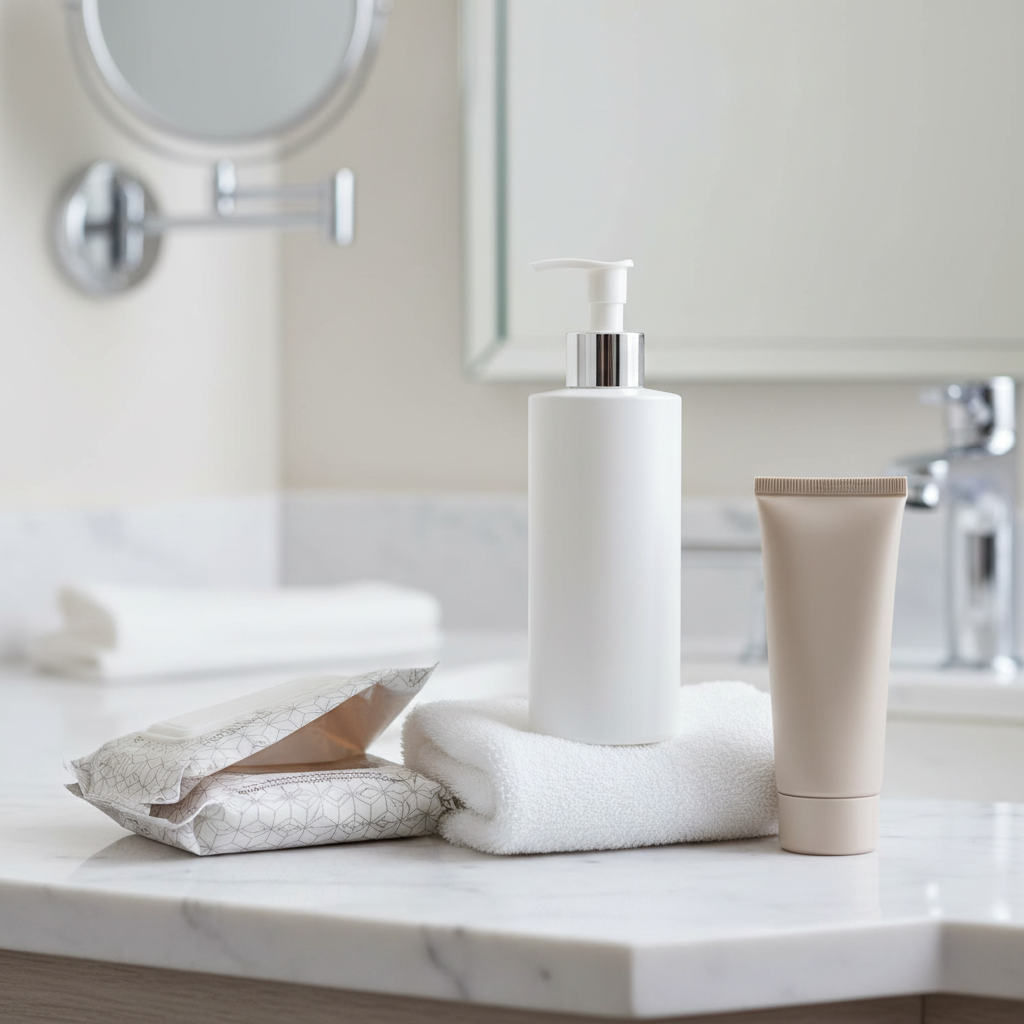
How to use wipes so your skin feels truly clean
The biggest improvement usually comes from technique, not switching brands every trip.
Step-by-step (quick but effective)
- Wash or sanitize hands first, especially on planes and in airports.
- Hold the wipe on key areas (eyes, lips, around nose) for a few seconds before wiping, let the remover dissolve makeup instead of scrubbing.
- Use light pressure, one direction passes when possible, then fold to a clean section.
- Do a second pass only where needed, typically hairline, jawline, and under-eye.
- If you can, rinse with lukewarm water or wipe once with a damp soft cloth, this helps reduce leftover film.
- Moisturize right after, travel air tends to dry skin, and a simple moisturizer lowers that tight feeling.
Key points to remember
- Less rubbing, more “press and lift.”
- One wipe may not be enough for full face + waterproof eye makeup, plan for two.
- Don’t forget the neck if you applied foundation or sunscreen there.
Packing tips and common mistakes travelers keep making
Most “my wipes dried out” problems happen because packs get crushed, left open, or stored near heat.
- Seal it every time, press the sticker or flip-top firmly, and store upright when you can.
- Double-bag for leaks, even wipes can weep fluid under pressure changes.
- Avoid leaving packs in hot cars, heat can change texture and make wipes feel harsher.
- Don’t use wipes as exfoliation, if you want smoother skin, bring a gentle leave-on product instead of rubbing harder.
Another common miss: using wipes, then skipping moisturizer because “I’m tired.” If your face feels tight, that’s your skin barrier asking for support, and the fix can be as basic as a thin layer of moisturizer.
When you should switch strategies (or ask a pro)
If wipes consistently sting, trigger redness around the eyes, or leave you flaky for days, it may be irritation from friction, fragrance, or preservatives, and it’s worth changing approach. Many people do better with micellar water or a gentle cleanser at night, with wipes only as backup.
According to Centers for Disease Control and Prevention (CDC)... contact lens wearers and eye health in general benefit from careful hygiene, so if you have frequent eye irritation from makeup removal, consider using a dedicated eye remover and avoid getting product into the eye.
If you have persistent rash, swelling, eczema flares, or acne that worsens every trip, consulting a board-certified dermatologist can help you narrow triggers and find a travel routine that works for your skin history. This is especially relevant if you use prescription topicals, because travel dryness and cleansing choices can affect tolerance.
Conclusion: a realistic travel routine that keeps skin comfortable
Travel makeup remover wipes are most useful when you treat them like a convenience tool, not a complete skincare system. Pick a wipe that matches your makeup and sensitivity level, use a gentle “press and lift” technique, then add a quick rinse or a tiny cleanser when your day includes heavy makeup or multiple sunscreen layers.
If you do one thing after reading this, make it simple: pack wipes for transit, and keep a backup plan for nights when you need a real cleanse. Your skin usually notices that difference by the second day of a trip.