
dolphin watching travel spots can be genuinely fun, but they can also be frustrating if you pick the wrong season, the wrong tour style, or a location where dolphins tend to stay farther offshore.
If you want a trip that feels like a win, you need two things: places with consistent dolphin activity and an approach that respects wildlife so the experience stays safe and sustainable. That’s the part most “top 10 lists” gloss over.
This guide narrows down practical destinations, what they’re best for, when to go, and how to choose an operator without overthinking it.
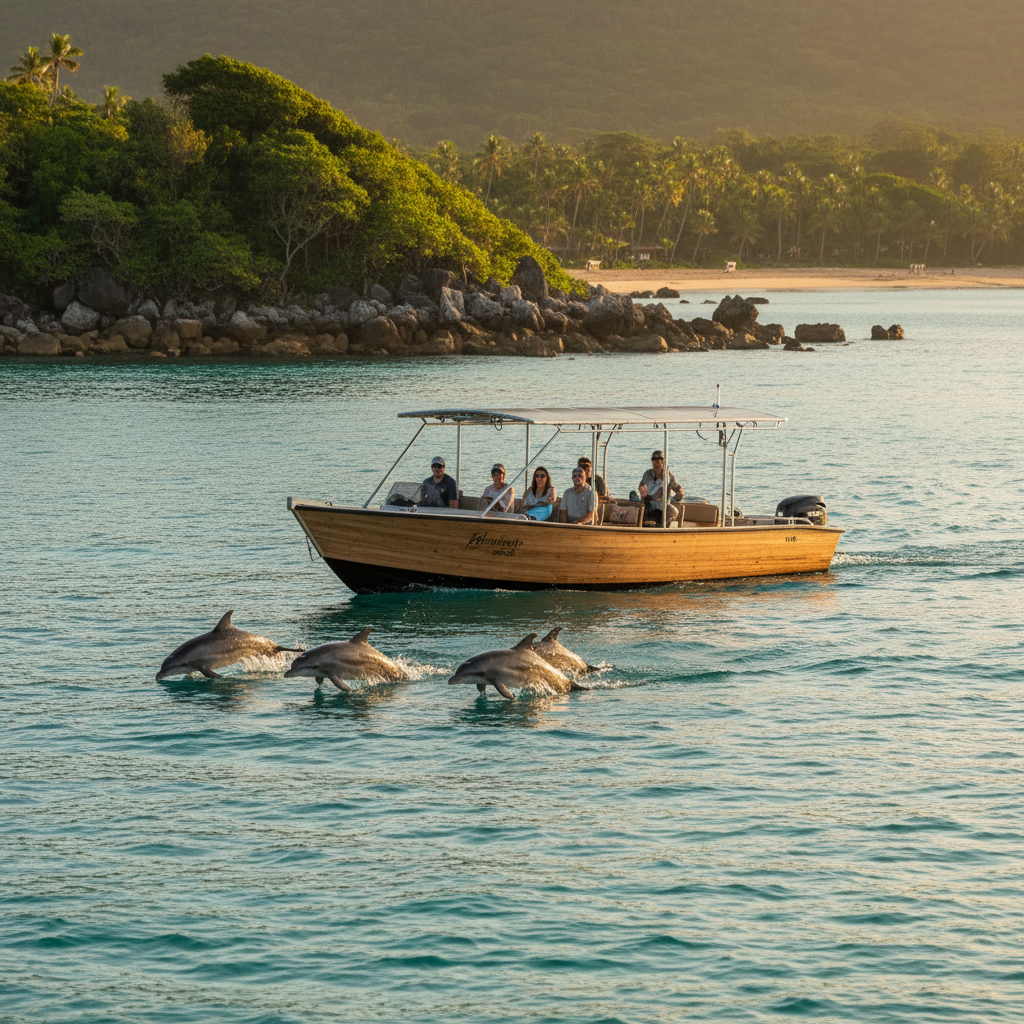
What actually makes a dolphin-watching spot “good”
A “good” location is less about hype and more about predictable conditions. In many regions, dolphins follow food, currents, and water temperature, so consistency matters.
- Resident or frequently seen pods: Areas with year-round or seasonal regulars tend to deliver better odds than random offshore routes.
- Calmer water options: Bays, sounds, and protected coasts help if you get motion sickness or travel with kids.
- Responsible tour norms: Places where operators commonly follow distance and speed rules feel better in the moment and are usually safer.
- Multiple viewing formats: Boat tours, shore viewpoints, and kayaks give you backup plans if weather shifts.
According to NOAA Fisheries, many U.S. marine mammals are protected under the Marine Mammal Protection Act, which is why reputable operators avoid chasing, crowding, or cutting through a pod.
Top dolphin watching travel spots (U.S. favorites)
Below are reliable U.S.-based dolphin watching travel spots that work for different travel styles. Not every outing guarantees a sighting, but these tend to be worth planning around.
Florida: Sarasota, Clearwater, and the Space Coast
Florida is popular for a reason: warm water, lots of coastal habitat, and frequent sightings. If you want an easy “add-on” activity to a beach trip, this is a low-stress pick.
- Best for: First-timers, families, short tours
- Watch for: Crowded marinas in peak season, choose smaller group trips when possible
California: Monterey Bay and Dana Point
Monterey Bay is known for marine life diversity, and Dana Point often markets itself as a whale-watching hub, with dolphins commonly seen on the same routes depending on conditions.
- Best for: Pairing dolphins with broader wildlife viewing
- Watch for: Choppy days, bring layers and consider larger boats if you’re prone to seasickness
Hawaii: Oahu and the Big Island (observe carefully)
Hawaii can be unforgettable, but it’s also where travelers can accidentally step into controversial “swim-with” style offerings. If you’re going, prioritize operators who emphasize observation and local rules.
- Best for: Scenic trips and warm water, especially if you’re already on the islands
- Watch for: Tours that pressure close interactions, crowded encounters
South Carolina & Georgia: Charleston area and coastal islands
These coasts can be surprisingly strong for viewing, often in calmer inlets and estuaries. It’s a good option if you want a relaxed, “nature near town” experience.
- Best for: Couples weekends, smaller boats, calmer waters
- Watch for: Tide timing, some tours perform better around moving water
Texas: Galveston and the Gulf Coast
Texas Gulf trips can be a solid choice, especially when you don’t want to fly far for a wildlife day. Conditions vary by season and weather, so set expectations accordingly.
- Best for: Road trips, quick getaways
- Watch for: Windy days that reduce comfort and visibility
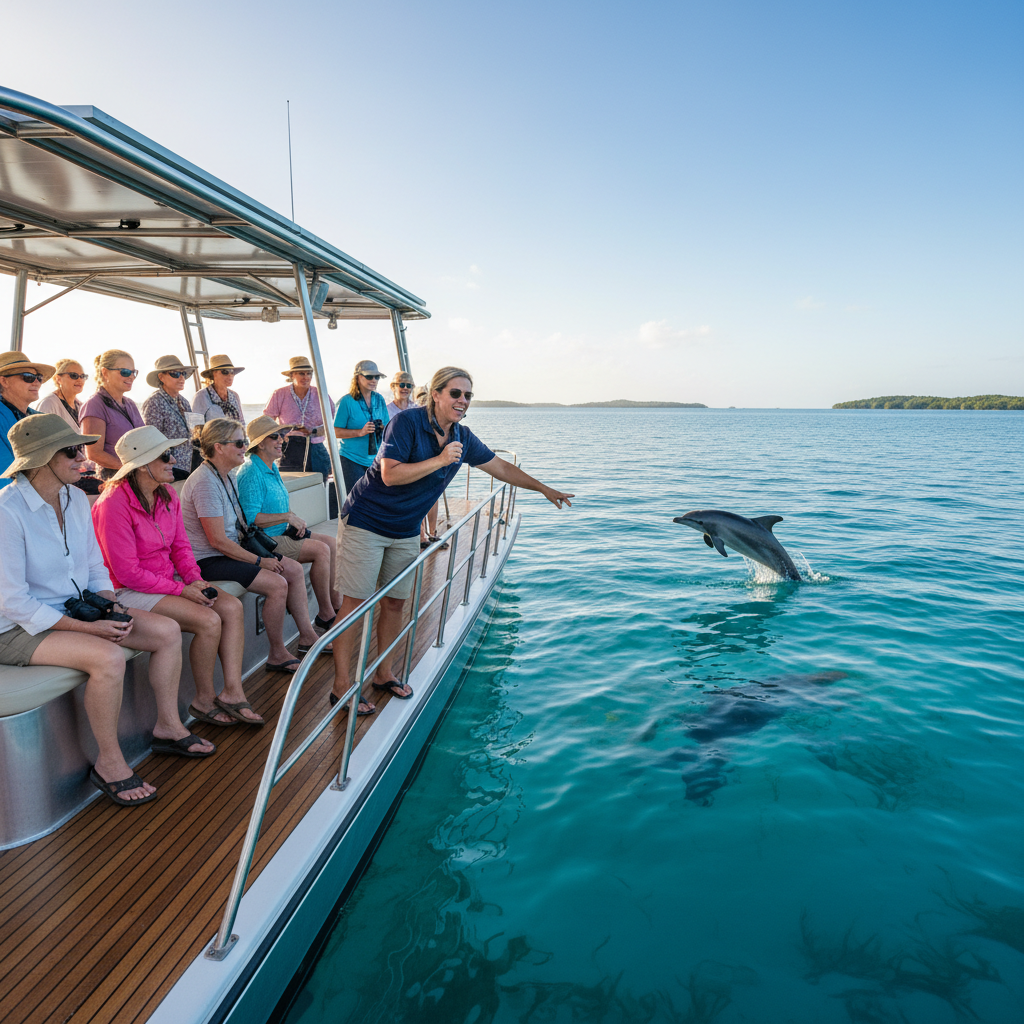
International dolphin watching travel spots worth planning around
If you’re building a bigger trip, these destinations often come up for consistent viewing. As always, local regulations and operator standards vary, so the “where” matters less than the “how.”
- Azores (Portugal): Deep waters close to shore, often combined with whale watching.
- New Zealand (Bay of Islands): Scenic cruising, but choose operators that avoid crowding behavior.
- Canary Islands (Spain): Boat trips run often, with some resident populations in the region.
- Western Australia (select bays): Strong marine life culture, though seasons and permits can shape access.
Quick comparison table: pick a spot based on your trip style
If you’re stuck between options, this quick table helps you decide without spiraling into reviews for hours.
| Trip goal | Best-fit regions | Why it works |
|---|---|---|
| Easy family outing | Florida Gulf Coast, Charleston area | Short tours, calmer water options, lots of departures |
| More wildlife variety | Monterey Bay, Azores | Dolphins often appear alongside other species |
| Warm-water vacation add-on | Hawaii, Florida | Convenient logistics, beach + boat combo |
| Budget-friendly road trip | Texas Gulf Coast, Southeast U.S. | Lower travel costs, flexible scheduling |
A simple self-check before you book
People usually regret one of three things: choosing the wrong boat type, underestimating motion sickness, or booking a tour that feels pushy. Run through this list and you’ll avoid most of that.
- I get seasick easily: Favor larger boats, protected bays, early departures when winds are calmer.
- I’m traveling with kids: Look for shorter tours, onboard shade, bathrooms, clear safety briefings.
- I want photos: Pick daylight timing, ask about typical distance, bring a zoom lens rather than assuming close passes.
- I care about ethics: Avoid “guaranteed swim” promises, ask how they handle approaching pods and time limits.
- I’m flexible: Choose a place with multiple daily departures so you can dodge bad weather windows.
How to book an ethical tour (without becoming an expert)
Most travelers aren’t trying to “audit” a company, they just want to feel good about the choice. A few questions usually reveal the vibe fast.
- Ask how they approach dolphins: Good answers mention slowing down, keeping distance, and not separating a group.
- Check group size: Smaller groups often feel calmer and reduce the pressure to “perform” for customers.
- Look for education: If a tour frames dolphins as wildlife with rules, that’s usually a better sign than pure thrill marketing.
- Be wary of guarantees: Wildlife sightings vary, and “guaranteed” language sometimes leads to chasing behavior.
According to the World Cetacean Alliance, responsible wildlife tourism commonly emphasizes minimizing disturbance and following codes of conduct, which is a useful lens when comparing operators.
Practical tips that improve your odds (and comfort)
These are small moves, but they add up, especially if your trip has one narrow time window.
- Go early when you can: Winds often build later in the day, and calmer water helps visibility.
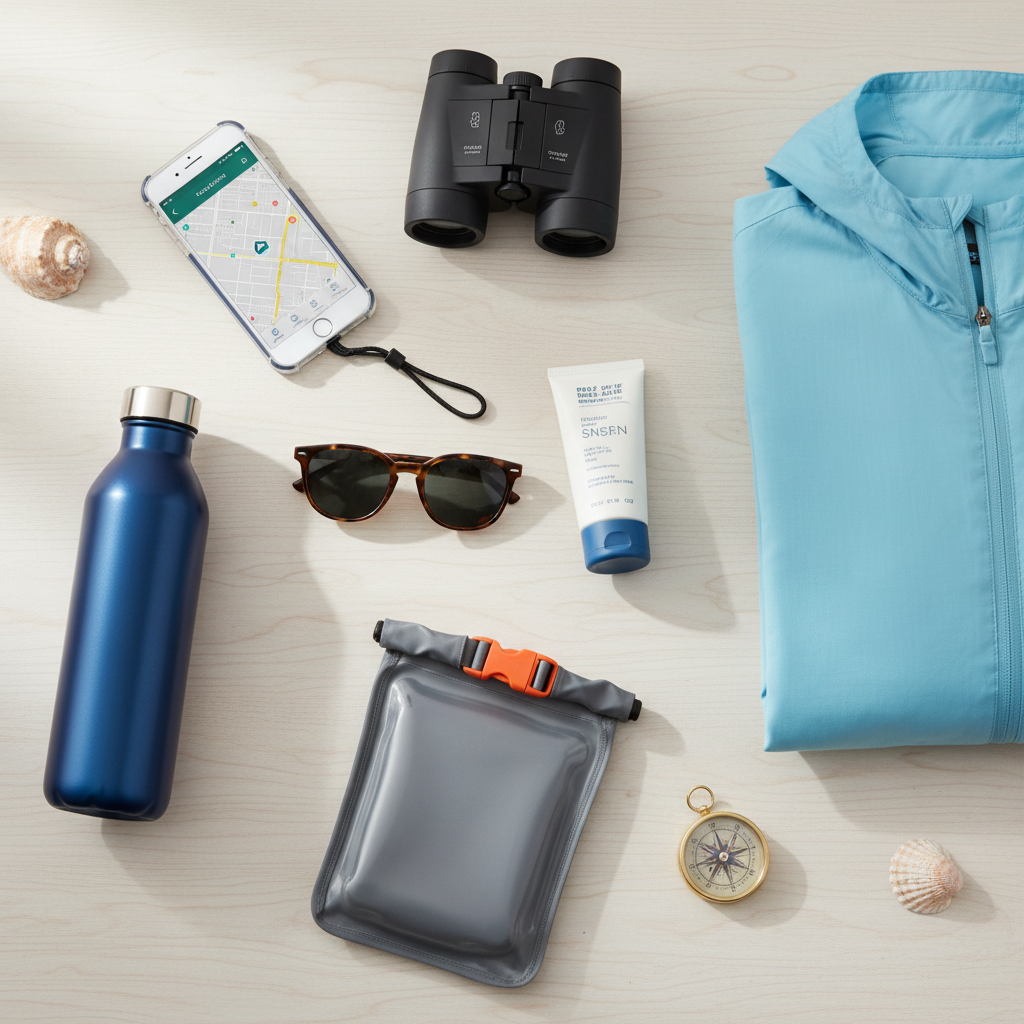
- Pack for sun and spray: Bring layers, sunglasses, and sun protection, even on “cloudy” forecasts.
- Use polarized lenses: They cut glare so you spot dorsal fins faster, it’s a bigger difference than many expect.
- Skip feeding interactions: Feeding wildlife can change behavior and create safety issues, even if it looks harmless.
- If you have health concerns: Motion, heat, and dehydration can become real problems, so consider asking a clinician if you’re unsure.
Key takeaways: Pick a location with consistent habitat, book operators who don’t chase, and plan timing and gear for comfort, those three decisions usually matter more than the exact city.
Conclusion: plan for consistency, choose ethics, enjoy the moment
The best dolphin watching travel spots aren’t always the most famous, they’re the ones that match your comfort level, your schedule, and a tour style that respects the animals. If you choose a region with reliable conditions and book a responsible operator, the day tends to feel fun even when sightings are brief.
If you want one next step, pick one destination from the table and then spend your time comparing two or three tours based on group size and wildlife approach, not on who promises the most.
FAQ
What are the best dolphin watching travel spots in the U.S. for beginners?
Florida’s Gulf Coast and parts of the Southeast are often beginner-friendly because tours are frequent, waters can be calmer, and you have more scheduling flexibility if weather shifts.
Is it better to do dolphin watching by boat or from shore?
Boat tours usually increase your chances because you can reach active areas, but shore viewing can be great in places with lookout points or bays. If you dislike motion, shore-based options may feel better.
How do I avoid unethical dolphin tours?
Listen for language about distance, not chasing, and letting animals choose the interaction. If a company leans hard on guarantees or close-contact promises, it’s reasonable to keep looking.
When is the best time of day to see dolphins?
Many trips favor morning for calmer water and better visibility, though local patterns vary. A good operator can usually recommend departure times based on typical conditions.
What should I bring on a dolphin watching tour?
Polarized sunglasses, sun protection, water, a light jacket, and a dry bag cover most situations. If you want photos, a zoom lens beats trying to get close.
Can kids go dolphin watching safely?
Often yes, but it depends on boat type, trip length, and sea conditions. Choose shorter routes, confirm life jacket policies, and avoid rough-weather days if you can.
What if I don’t see any dolphins?
It happens, even in strong destinations. Ask whether the operator offers a return trip policy, and remember that ethical tours won’t force encounters just to “make it happen.”
If you’re planning a trip and want a more tailored shortlist, think about your dates, budget, and comfort with open water, then narrow down dolphin watching travel spots that offer multiple departure times and clearly responsible tour practices.