
Pet friendly travel hotels can be genuinely welcoming, or they can be “pets allowed” on paper but stressful in real life, with surprise fees, strict weight limits, or tiny room setups that make your trip harder than it needs to be.
This guide helps you book smarter, not just faster, by showing what policies actually matter, how to spot red flags, and what to pack and ask so check-in feels smooth for you and your pet.
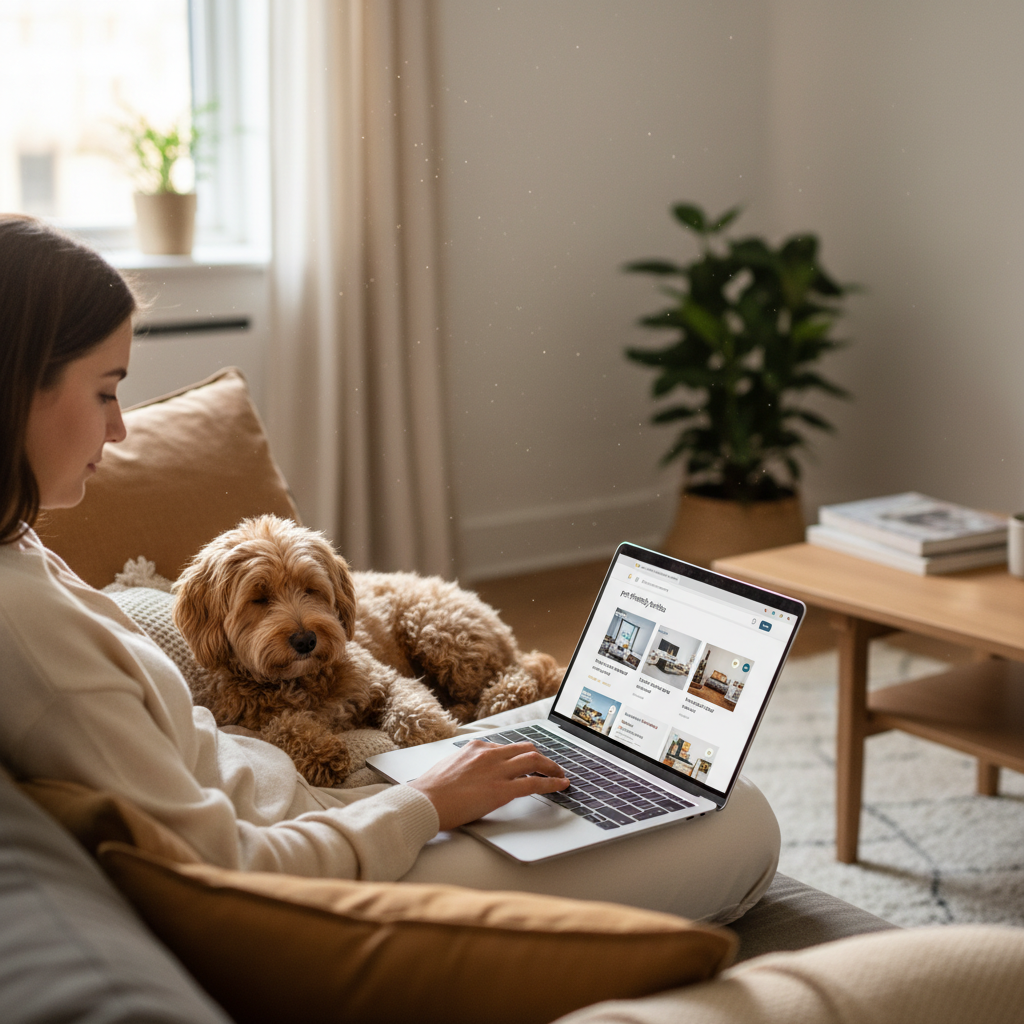
A quick note before we get tactical, “pet-friendly” means different things by brand, property, and even city rules, so the safest approach is to verify details in writing and plan for your pet’s temperament, not just the hotel’s marketing copy.
What “pet-friendly” really means (and why it varies)
The tricky part is that pet policies typically live in the fine print, and the guest experience depends on how the property enforces them. Two hotels under the same flag can treat pets very differently.
- “Pets allowed” vs “pet-friendly”: allowed might mean minimal support, friendly usually includes practical amenities or flexible rules.
- Property-level discretion: management can add quiet-hour expectations, restrict certain floors, or adjust cleaning fees.
- Local constraints: some areas push stricter leashing rules, limit where pets can be in common spaces, or require specific documentation.
According to the American Kennel Club (AKC), planning ahead and confirming rules helps reduce travel stress for dogs, especially around routines, rest breaks, and unfamiliar environments.
The policy details that actually affect your stay
When people say they “got burned” by pet policies, it usually comes down to a few predictable items. These are the ones worth reading twice.
Fees, deposits, and what’s refundable
- Nightly fee: common for short stays, can add up quickly on road trips.
- Flat pet fee: simpler to budget, but sometimes high for one-night stops.
- Refundable deposit: can be reasonable, but clarify what counts as damage.
- Cleaning fee: ask whether it’s charged only if extra cleaning is needed, or always applied.
Limits: size, weight, breed, and number of pets
Many pet friendly travel hotels set a weight limit (often 25–50 lb) or cap the number of pets per room. Breed restrictions can appear due to insurance policies, which may vary by location. If this is sensitive for you, confirm before booking and again before arrival.
Where pets can go (the “common areas” reality)
Some properties allow pets only in rooms and outdoors, while others permit lobby transit, designated elevators, or patio seating. If you plan to work in the lobby or grab breakfast quickly, this detail matters more than you’d think.
Crating rules and housekeeping access
A common rule is “pets can’t be left unattended,” or “must be crated when staff enters.” If you’re traveling solo and need to run an errand, this can become your biggest constraint, so look for hotels that clearly state options.

Quick self-check: which booking situation are you in?
Before you compare listings, be honest about the constraints on your side. It makes the “right hotel” obvious much faster.
- Short overnight stop: you mostly need easy access, late check-in, and a safe potty area.
- Multi-night city stay: you need clear unattended-pet rules, elevator/common-area clarity, and nearby walking routes.
- Long drive: you need predictable pet fees and reliable ground-floor access if your pet struggles with elevators.
- High-energy or anxious pet: you need sound-buffering, distance from busy doors, and a plan for alone time.
- Two pets: you need to confirm per-room limits and whether fees are per pet.
If you’re nodding hard at more than one bullet, prioritize policies over aesthetics. Photos are nice, but rules determine whether the stay feels easy.
How to find and compare pet-friendly hotels without wasting time
Search filters get you in the right neighborhood, but they don’t finish the job. The best workflow is fast, repeatable, and a little skeptical.
Step-by-step search workflow
- Start broad: filter for pets allowed, then open 5–8 options at once.
- Jump to the pet policy section: confirm fees, size limits, number of pets, and unattended rules.
- Scan recent reviews for “pet fee,” “deposit,” “barking,” “ground floor,” “grass area”: not for drama, but for recurring friction points.
- Call (or message) the property: ask two questions that matter most to your stay, and get the answer documented if possible.
A practical comparison table
Use this table as a quick scorecard when you’re choosing between similar prices.
| Criteria | What to look for | Why it matters |
|---|---|---|
| Pet fee structure | Flat vs nightly, per pet vs per room | Prevents budget surprises on longer stays |
| Unattended pet policy | Allowed with crate? Not allowed at all? | Determines whether you can eat out or run errands |
| Potty area access | On-site grass, nearby park, safe sidewalks | Late-night and early-morning convenience |
| Room layout | Space for crate/bed, durable flooring | Reduces stress and accidental messes |
| Noise exposure | Rooms away from elevators/ice machines | Helps reactive or anxious pets settle |
Real-world booking and check-in tips that prevent surprises
This is the part most guides skip, the small “operator” moves that keep things calm when you arrive tired.
- Ask for a quieter room: away from elevators, vending, and lobby doors. It’s not a luxury ask, it’s a pet behavior ask.
- Confirm how to handle housekeeping: request “no service” or set a specific window when you can be present.
- Bring a familiar blanket or bed: unfamiliar rooms can raise anxiety, familiar scent often helps.
- Use a door sign: a simple “Pet inside, please call” note can prevent awkward knocks and barking spirals.
- Document the room quickly: a few photos at arrival can help if a deposit dispute happens later.

According to the Centers for Disease Control and Prevention (CDC), travelers should follow basic hygiene around animals, including handwashing after handling pets and managing waste properly, which is especially relevant in shared hotel environments.
Common mistakes (and what to do instead)
A lot of frustration comes from reasonable assumptions that don’t match hotel operations.
- Mistake: assuming “pet-friendly” means pets can join you everywhere.
Do instead: confirm common-area rules and where your pet is allowed to wait while you check in. - Mistake: booking the cheapest option and hoping it works.
Do instead: optimize for layout, potty access, and unattended rules, those three decide the experience. - Mistake: skipping a crate or containment plan.
Do instead: even if your pet is calm, have a safe setup for unexpected knocks or maintenance visits. - Mistake: forgetting noise and reactivity triggers.
Do instead: request a room location strategically and build in decompression time after travel.
When it’s worth getting extra help
Some trips are easy, others need more structure. If your pet has a history of severe anxiety, aggression, or medical needs, it may help to talk with a veterinarian or qualified trainer about travel plans, calming strategies, or whether medication is appropriate. For air travel or cross-border trips, documentation requirements can change, so verify with your airline and relevant government sources rather than relying on a hotel listing.
Key takeaways and a simple action plan
Booking well is mostly about picking the right rules, not the prettiest room. If you want a simple plan, do this: choose three candidate properties, confirm fees and unattended policy in writing, then pick the one with the easiest potty access and the quietest room location options.
If you keep coming back to the same stress point, like leaving your pet alone or late-night relief breaks, treat that as the deciding factor. That’s usually what makes or breaks pet friendly travel hotels in practice.
FAQ
How do I know if a hotel is truly pet-friendly or just “pets allowed”?
Look for specifics: clear fee structure, where pets can go, and what happens when pets are unattended. Vague language often signals stricter enforcement at check-in.
Do pet friendly hotels usually charge per pet or per room?
It varies by brand and property. Many places charge per room per stay, but some charge per pet or per night, so it’s worth confirming before you book a longer trip.
Can I leave my dog alone in the hotel room?
Many hotels discourage or prohibit unattended pets, or allow it only if the pet is crated. If you need this flexibility, ask directly and get the answer documented.
What should I ask the front desk before arriving?
Ask about pet fee totals, size/number limits, where the nearest relief area is, and how housekeeping works with pets in-room. Those questions prevent most “surprise” conflicts.
Are emotional support animals treated the same as service animals?
In many situations, no. Rules can differ by jurisdiction and setting, and hotels may follow specific legal definitions. If this affects your booking, confirm requirements ahead of time and consider seeking professional guidance for your situation.
What if my pet barks and neighbors complain?
Most properties handle this case-by-case, but repeated complaints can lead to warnings or requests to remove the pet. Picking a quieter room and keeping a familiar setup often helps, and a trainer or vet may advise if anxiety is significant.
What are the best room features for traveling with a pet?
Easy outdoor access, enough floor space for a bed or crate, and fewer noise triggers near the door tend to matter more than fancy amenities, especially for multi-night stays.
If you’re planning a trip and want a more streamlined way to compare pet policies, fees, and stay expectations, it can help to build a short checklist you reuse for every booking, or use a travel planning tool that keeps your pet requirements in one place so you don’t re-check the same details each time.