
how to travel the world with little money usually comes down to one thing you can control: trade money for flexibility, not comfort for misery.
If you feel stuck because flights look expensive, friends post “cheap” trips that don’t feel replicable, or you’re unsure what “budget travel” even means in 2026 prices, you’re not alone. Most people don’t fail on motivation, they fail on planning levers that actually move the total cost.
This guide breaks the problem into parts you can act on: timing, transportation, lodging, food, insurance, and the small daily choices that quietly double a budget. You’ll also get a quick self-check, a realistic cost table, and a few “if this, then that” playbooks.
Start with the math: what “little money” can realistically buy
Before you optimize anything, pick a runway. “Little money” could mean $1,500 for one month, or $8,000 for six months. The number matters less than whether you’re clear on total trip cost (big items) versus burn rate (daily spend).
- Big items: flights, visas, insurance, initial gear, long-distance transport.
- Burn rate: lodging per night, food, local transit, activities, data/SIM.
- Buffer: emergency cash, last-minute route change, medical deductible.
According to U.S. Department of State travel guidance, travelers should plan for unexpected costs and keep contingency funds for emergencies. That advice sounds obvious, but on a tight budget it’s the difference between “thriving” and “calling home early.”
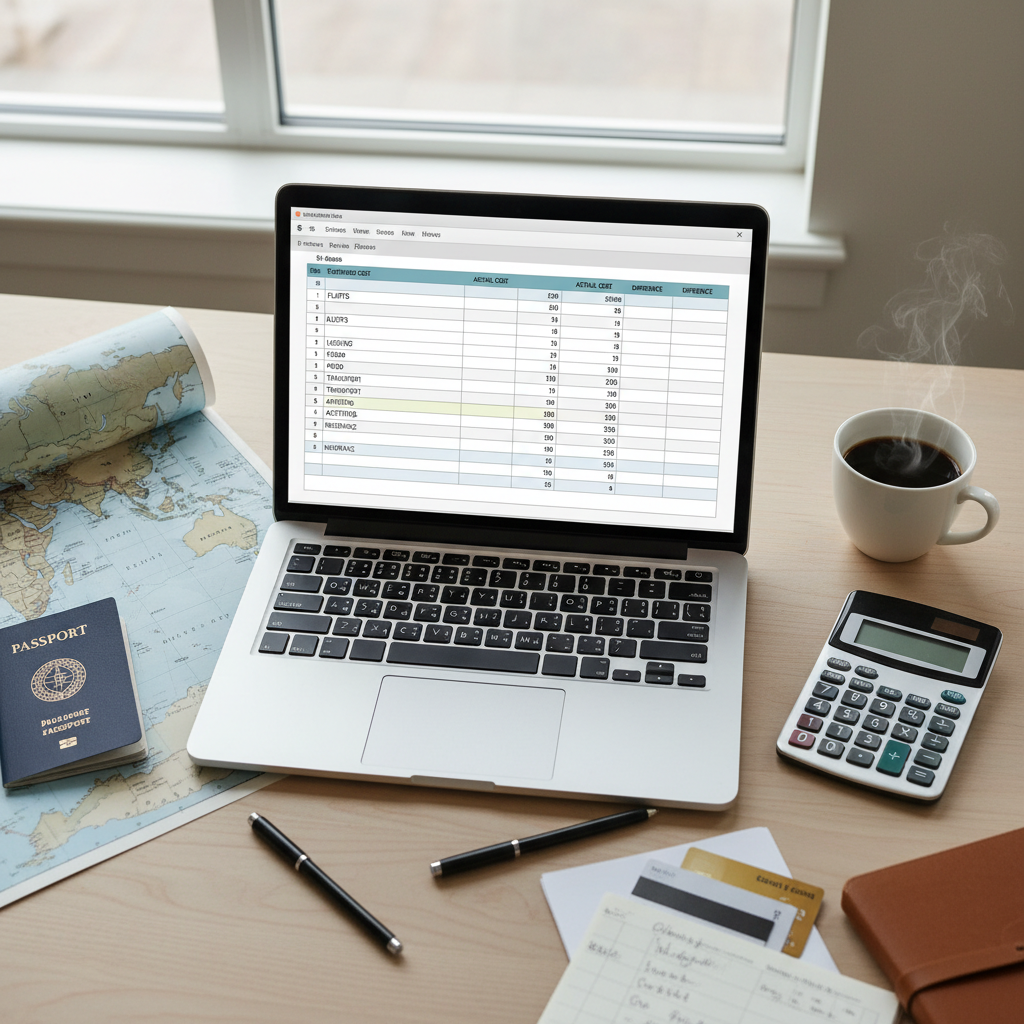
A quick cost reality check (very rough ranges)
These are not promises, just a useful “order of magnitude” to calibrate expectations. Prices swing by season, exchange rates, and how far ahead you book.
| Trip style | Typical daily burn rate | What it usually includes |
|---|---|---|
| Ultra-lean | $25–$50/day | Hostels or work exchange, street food/groceries, walking/transit, limited paid activities |
| Comfort-budget | $50–$100/day | Private rooms some nights, more paid activities, occasional rideshares, better meal flexibility |
| Hybrid (points + deals) | Varies | Lower flight/hotel costs via points, spend shifts to food/experiences |
The real reasons world travel gets expensive (and how to defuse them)
People often blame “prices,” but in practice the budget usually gets wrecked by a few predictable patterns.
- Rigid dates: fixed departures force you into peak fares and peak lodging rates.
- Too much distance: bouncing continents burns cash on long-haul flights.
- Short stays: moving every 2–3 days increases transit costs and “mistake meals.”
- Convenience creep: taxis, last-minute bookings, tourist-zone restaurants.
- Under-planned logistics: missing a visa rule or check-in policy can create expensive emergencies.
Here’s the mindset shift that helps: your route is your budget. When you design a route around fewer long jumps and longer stays, you often don’t need extreme frugality day-to-day.
Self-check: which “low-money traveler” are you?
This matters because the best strategy depends on what resource you actually have: time, energy, skills, or credit-card points.
- You have time: you can take slow routes, travel shoulder season, and wait for deals.
- You have skills: you can barter via work exchange, remote gigs, or short contracts.
- You have points potential: you can funnel normal spending through a points setup (responsibly).
- You have low tolerance for uncertainty: you’ll do better with fewer countries and more pre-booking.
- You’re traveling with a partner: private rooms become affordable, cooking gets easier.
If you don’t know where you fit, watch your past behavior: do you hate schedule changes, or do you hate overplanning? Your budget-friendly system should match that, otherwise you’ll “rebel spend” halfway through.

Practical strategies that actually cut costs (without making travel miserable)
When people ask how to travel the world with little money, they often jump straight to “eat instant noodles.” That’s rarely the highest-impact move. These are.
1) Use flexible timing like a discount code
- Travel shoulder season, not peak holiday weeks.
- Fly midweek when you can, and consider early/late departures if you tolerate them.
- Build “floating days” into the itinerary so you can grab a fare drop without wrecking everything.
2) Design a route that minimizes expensive jumps
- Cluster countries by region and move overland when practical.
- Stay 7–14 days per stop more often, your per-day cost usually falls.
- Avoid “just one more country” if it adds a long flight.
3) Make lodging cheaper without sacrificing sleep
- Alternate: 3–4 nights hostel, then 2 nights private room to reset.
- Book longer stays with kitchens so groceries become easy.
- Consider work exchange or house-sitting if you can commit to dates and responsibilities.
According to U.S. Centers for Disease Control and Prevention (CDC), travelers should consider health and safety planning before international trips, including where they stay and how they handle sanitation. If you go ultra-cheap on lodging, keep your baseline hygiene and safety standards intact.
4) Treat food like a system, not a moral test
- Pick one daily “spend” meal you care about, keep the rest simple.
- Shop groceries for breakfast and snacks, it quietly reduces impulse buys.
- Eat where locals queue, but still look for basic cleanliness.
5) Use points and miles carefully (only if you pay in full)
Points can be a legit path to how to travel the world with little money, but interest charges erase wins fast. If you carry balances, skip this and focus on route + lodging.
- Start with one general travel card, learn one program well.
- Redeem for the biggest pain points: long-haul flights, airport-to-airport hotel nights.
- Keep screenshots and confirmation emails offline, points bookings can be harder to fix on the road.
A simple 4-step plan you can follow this month
You don’t need a perfect master plan, you need a workable loop that prevents expensive mistakes.
- Step 1: Pick a region, then pick a “base city” with cheap connections and decent public transit.
- Step 2: Set your daily burn rate target and a hard cap for big items like flights and insurance.
- Step 3: Book the first 7–10 days plus the first major transport leg, leave the rest flexible.
- Step 4: Create a weekly money ritual: check spend, adjust lodging/food, plan next move.
That weekly review sounds boring, but it’s how you keep small leaks from becoming a crisis.

Common mistakes that make “cheap travel” surprisingly expensive
- Over-optimizing for the cheapest sticker price: a cheap flight with awful connections can trigger extra hotel nights and meal costs.
- Skipping insurance blindly: depending on destination and activities, that gamble can become a major financial hit. If you have medical conditions, it’s wise to consult a professional.
- Booking everything last-minute in popular places: spontaneity can be expensive in high-demand cities.
- Not tracking fees: ATM fees, currency conversion, baggage add-ons, roaming.
- Packing mistakes: replacing basics abroad costs more than bringing them.
If you want a single rule: pay attention to friction. Wherever your trip creates friction, money tends to follow.
When it’s worth getting expert help
Most travelers can DIY a low-cost trip, but a few situations justify professional advice.
- Complex visa situations: dual citizenship questions, long stays, or unclear entry rules. A licensed immigration attorney or official consulate guidance may be appropriate.
- Medical considerations: chronic conditions, high-altitude plans, or long-term medication storage. A clinician or travel medicine specialist can help you plan safely.
- High-stakes points bookings: multi-city awards with tight connections, especially when you can’t afford a mistake.
According to the U.S. Department of State, travelers should review destination-specific advisories and entry requirements before booking. That step can feel tedious, but it’s cheaper than fixing surprises mid-trip.
Key takeaways (so you can act today)
- Flexibility is the main currency when you’re trying to keep costs low.
- Route design beats extreme frugality, fewer long-hauls and longer stays often cut spend fast.
- Track weekly, small leaks usually matter more than one big splurge.
- Use points only if you pay in full, otherwise focus on fundamentals.
If you want momentum, pick one region, choose a burn rate, and price out a two-week “test run.” Once that works, scaling to months feels much more doable.
FAQ
- How much money do I need to travel the world for a year?
It varies a lot by route and pace. Many travelers budget by daily burn rate plus big items like flights and insurance, then add a buffer for emergencies. A year with slower travel and longer stays often costs less than constant moving. - What is the cheapest way to fly internationally from the U.S.?
In many cases, flexibility on dates and airports matters most. Watching fare calendars, being open to midweek departures, and routing through major hubs can help, but results depend on season and destination. - Is it realistic to travel with little money without staying in unsafe places?
Often yes, but you have to be selective. Read recent reviews, prioritize safe neighborhoods and basic hygiene, and avoid deals that feel “off.” Saving money should not mean ignoring risk. - How do I keep food costs low without getting sick?
Mix grocery meals with a few trusted spots, choose busy vendors with high turnover, and keep hand hygiene consistent. If you have a sensitive stomach or medical concerns, consider asking a clinician about travel precautions. - Are work exchanges and volunteering a good way to reduce costs?
They can be, especially for lodging, but they’re not free. You trade time and energy, and the experience depends heavily on expectations and communication, so clarify hours, tasks, and days off upfront. - Do I need travel insurance if I’m young and healthy?
You might still want coverage for medical emergencies, trip interruptions, or baggage issues, depending on what you do and where you go. Policy details differ, so reading exclusions matters. - How can couples travel cheaper than solo travelers?
Shared lodging and cooking reduce per-person costs. Couples can also split rides, tours, and data plans, but it helps to agree on a budget style early to avoid stress spending.
If you’re trying to plan how to travel the world with little money and you’d rather not juggle a dozen tabs, a simple budget template and a route-first checklist can save time and prevent the common “death by small fees” problem while you build your itinerary.