
Family friendly travel spots are the places where kids stay busy, adults still feel like they’re on a real trip, and the day doesn’t collapse the moment someone gets hungry or tired. If that sounds oddly specific, it’s because most “family” recommendations ignore the messy middle: nap windows, overstimulation, weather swings, and the fact that grown-ups also want good food and a little breathing room.
The payoff for choosing the right kind of destination is big, though, fewer logistics battles, more time outside, and a trip that doesn’t feel like parenting in a different ZIP code. The trick is matching the spot to your family’s age range, stamina, and budget, not chasing whatever looks best on a postcard.

Below, I’m focusing on destinations that tend to handle real-life family needs well, plus a quick way to self-check what will work for you, and a planning approach that keeps both “kid fun” and “adult enjoyment” on the schedule.
What “family-friendly” really means in practice
In many trips, the stress doesn’t come from the attraction itself, it comes from the gaps between attractions. A place can have a world-class zoo and still be exhausting if you’re stuck in traffic, can’t find shade, or everything decent to eat requires a 90-minute wait.
- Short distances and easy resets: walkable areas, frequent parks, indoor options for heat or rain.
- Food flexibility: quick-service spots, grocery options, and at least a few “everyone can agree” menus.
- Stroller/accessible basics: ramps, clean restrooms, and places to sit without buying a $9 soda.
- Adult upside: good coffee, interesting neighborhoods, museums, breweries or wine tasting (where appropriate), and scenic drives that don’t feel like a chore.
According to the CDC, basic travel health planning like staying up to date on routine vaccines and packing needed medications helps reduce preventable issues while traveling, which matters more when you’re managing kids’ schedules away from home.
A quick “fit check” before you pick a destination
Before you fall in love with a listicle, do a two-minute reality check. The goal is to choose family friendly travel spots that match your family’s energy, not fight it.
Use this checklist
- Age and pace: Are you planning around naps, early bedtimes, or teens who want independence?
- Heat/cold tolerance: Can your crew handle long outdoor days, or do you need strong indoor backups?
- Motion and drives: Do you need minimal car time, or are scenic road trips part of the fun?
- Food constraints: allergies, picky eating, or “we need snacks every hour” requirements.
- Budget pressure points: lodging, parking, attraction tickets, and how often you’ll eat out.
If you answered “we need breaks often” or “weather swings derail us,” prioritize destinations with compact layouts and multiple low-stakes activities, playgrounds, waterfront paths, and libraries or children’s museums can save a day.
Top types of family friendly travel spots (and why they work)
Instead of claiming one “best” city for every family, it’s more honest to sort by destination type. Within each type, you can pick the version that fits your region, travel season, and budget.
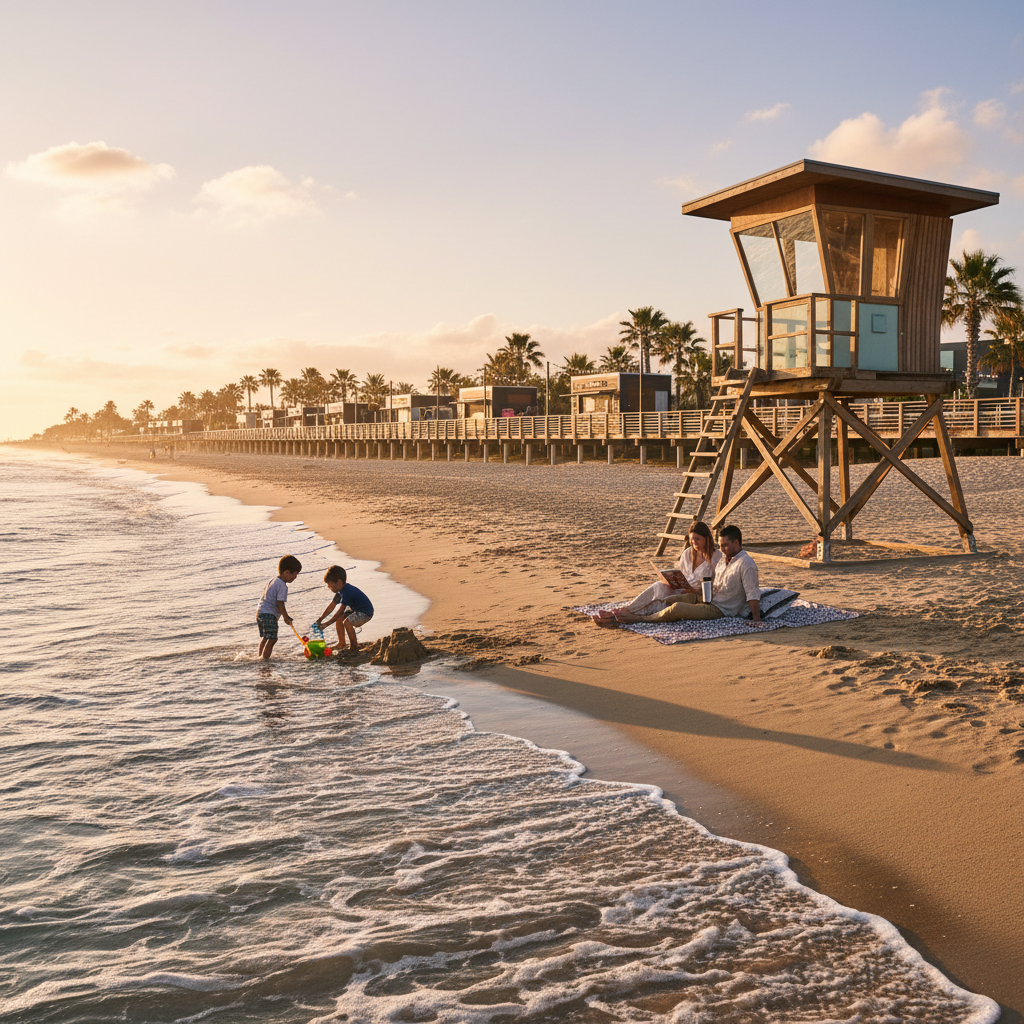
1) Beach towns with calm water and walkable cores
These trips work because the “main activity” is repeatable and adjustable. Ten minutes in the sand can still feel like a win, and adults often get that mental reset factor.
- Look for: lifeguarded beaches, tide pools, boardwalks, shade access, easy food options nearby.
- Adult bonus: sunset walks, seafood, boating tours, local shops.
2) National parks and gateway towns
National parks can be incredible with kids, but they’re not all equal for younger ages. Gateway towns add flexibility: you can hike a little, then recover with ice cream and a real bed.
- Look for: junior ranger programs, shorter loop trails, shuttle systems, visitor centers with exhibits.
- Adult bonus: big scenery, wildlife viewing, photography, stargazing.
According to the National Park Service, planning ahead and following park guidance improves safety and helps protect wildlife and natural areas, which is especially relevant when kids are excited and impulsive near trails or water.
3) Cities with strong “kid infrastructure”
A good family city isn’t just “has a children’s museum.” It’s a place with transit or easy parking, clusters of attractions, and enough green space that kids can move between activities without melting down.
- Look for: zoo + park combos, science centers, waterfront promenades, free public spaces.
- Adult bonus: food neighborhoods, art museums, sports, live music.
4) All-inclusive or resort-style bases (used strategically)
Resorts can be a relief when the family needs predictability, but the best value usually comes from using them as a base, not a cage. Choose a place with genuine kids’ programming and easy off-site options.
- Look for: shaded pools, kid clubs with clear policies, kitchenettes, on-site laundry.
- Adult bonus: spa time, fitness, quiet beach zones, better sleep.
Destination ideas by season (U.S.-friendly planning)
Season matters more than people think. Many family friendly travel spots become stressful if you hit them at peak heat, peak crowds, or peak prices. Here are practical pairings that often work for U.S. travelers.
- Spring: desert areas before extreme heat, coastal cities before summer crowds, theme parks on shoulder weeks.
- Summer: lake regions, mountain towns, cooler coastal zones, places with strong splash-pad culture.
- Fall: national park road trips, harvest towns, walkable cities with festivals and mild weather.
- Winter: warm-weather beach escapes, indoor-friendly cities, ski towns if your family truly enjoys cold logistics.
If anyone in your group has asthma, severe allergies, or heat sensitivity, it’s worth asking a clinician for travel-specific guidance, especially when altitude, wildfire smoke, or extreme temperatures are in play.
A simple planning framework that keeps adults happy too
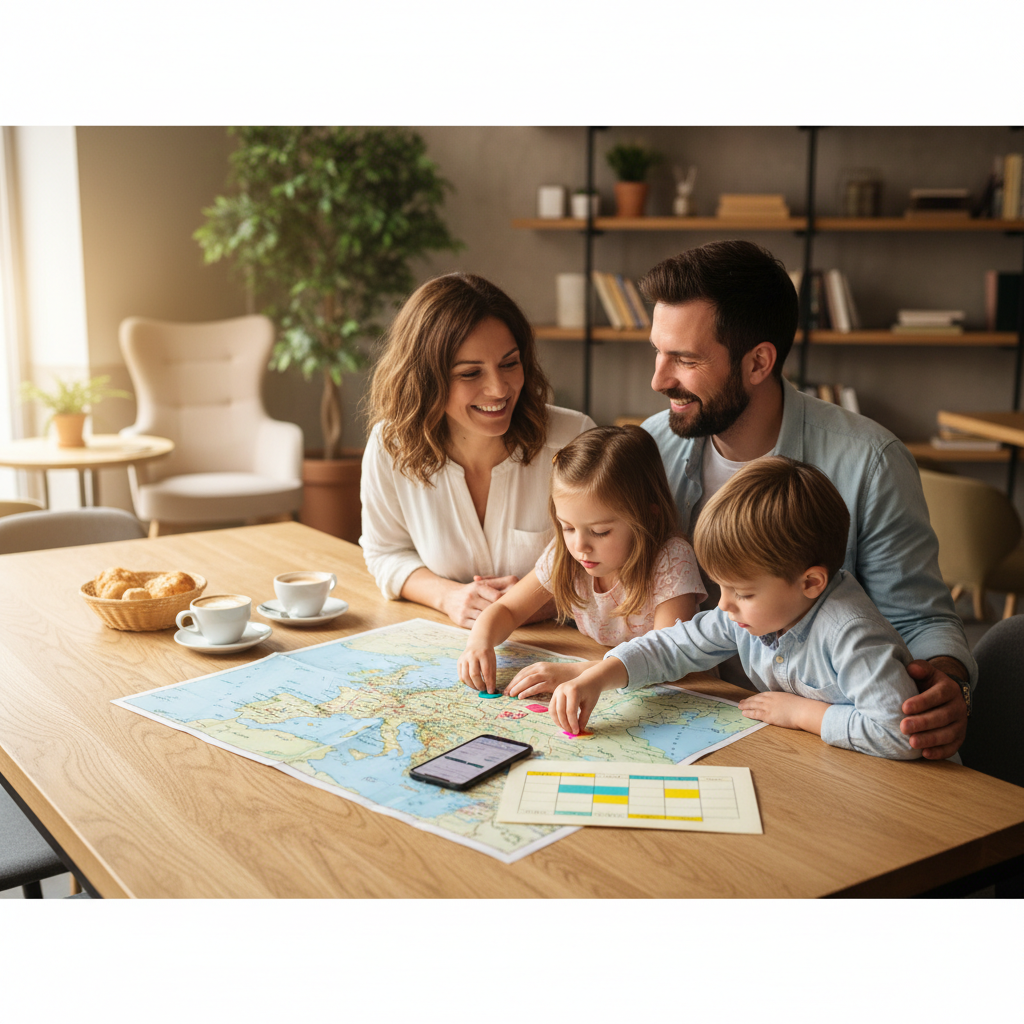
This is where many families get stuck: they plan nonstop kid activities, then wonder why the adults feel drained. A more sustainable plan builds in “adult wins” that don’t fight the kid schedule.
Try the “1–1–1 day”
- 1 anchor activity: zoo, beach morning, big museum, guided tour.
- 1 flexible block: playground hopping, browsing, pool time, casual neighborhood walk.
- 1 reset: quiet hour at the hotel, a long lunch, early dinner, or downtime with screens without guilt.
Also, book one grown-up thing that’s still family-compatible, a food hall, a scenic drive, a ferry ride, an easy hike with a payoff view. It changes the tone of the trip without adding stress.
Quick comparison table: match the spot to your family
If you’re choosing between a few options, this kind of grid usually makes the answer obvious.
| Destination type | Best for | Watch-outs | Easy win |
|---|---|---|---|
| Beach town (calm water) | All ages, low-planning trips | Sun exposure, peak-season pricing | Early morning beach + midday break |
| National park + gateway town | Elementary+ families, outdoorsy crews | Long drives, limited dining | Short hikes + visitor center exhibits |
| Walkable city | Families who like variety | Parking costs, crowds | Pick one neighborhood per day |
| Resort base | Toddlers, multi-gen groups | Can feel repetitive, add-on fees | Kitchenette snacks + planned off-site outing |
Common mistakes (that make “family friendly” feel hard)
- Overbooking day one: travel days often go sideways, keep it light and local.
- Ignoring micro-logistics: parking rules, stroller access, reservation requirements, and meal timing matter.
- Assuming kids will “push through”: many meltdowns are hunger, heat, or noise, not attitude.
- Choosing a destination that requires constant spending: even a great spot can feel tense if every activity costs extra.
- Skipping downtime: if you don’t schedule rest, it shows up anyway, just in a worse form.
According to the U.S. Department of State, travelers should review current travel advisories and basic safety guidance for their destination, which is a solid habit even for domestic trips when weather or local conditions shift.
Key takeaways before you book
- Family friendly travel spots work best when the “in-between” moments are easy: food, bathrooms, shade, and short distances.
- Pick a destination type that matches your pace, not someone else’s highlight reel.
- Build one adult-friendly experience into most days, but keep the schedule breathable.
Want the simplest next step? Pick two destination types from this guide, then compare three real options using the checklist and table above, you’ll usually see the winner fast, and you’ll avoid the trip that looks great but feels hard.
FAQ
What are the best family friendly travel spots for toddlers?
Places with repeatable, low-effort fun tend to win: calm beaches, resort bases with shade and snacks, or compact cities with parks. The deciding factor is usually how easy it is to take breaks without “losing the day.”
How do I keep adults from feeling bored on a kid-focused trip?
Choose destinations where adult interests sit next to kid activities, not across town. A walkable neighborhood with great food, a scenic waterfront, or a museum district can keep the day enjoyable without needing extra logistics.
Are national parks realistic for young kids?
Often yes, but pick parks with shorter trails, strong visitor centers, and nearby towns. If your family struggles with long car rides or heat, a park can still work, just lean into shuttles, viewpoints, and early starts.
How many activities should we plan per day?
For most families, one “must-do” plus one flexible option is plenty, especially if you add a real reset. When you plan three major things, the day becomes a race against hunger and fatigue.
What should I prioritize when comparing hotels for families?
Room layout and location beat fancy amenities. Look for easy parking or transit, on-site breakfast or a kitchenette, and a route back to the room that doesn’t feel like a trek after dinner.
How can we save money in popular destinations?
Travel on shoulder dates, stay slightly outside the hottest zone, and mix paid attractions with free anchors like parks and beaches. Also, plan one grocery stop early, snack costs add up fast with kids.
What if my family has medical needs while traveling?
Pack medications in carry-on bags, bring a brief written list of doses, and consider asking a clinician about travel precautions if you’re dealing with severe allergies or chronic conditions. For emergencies, local urgent care access matters more than a perfect itinerary.
If you’re sorting through family friendly travel spots and want a more “done-for-you” approach, it can help to start with your kids’ ages, your realistic daily pace, and your non-negotiables, then narrow to destinations that naturally fit those constraints instead of forcing a plan to work.