
How to find hidden gems while traveling usually comes down to one skill most people skip, learning what locals pay attention to when tourists are not watching.
If you have ever landed in a new city, searched “best things to do,” and ended up in the same crowded places as everyone else, you are not doing travel wrong, you are just using the same inputs as everyone else. Algorithms reward popularity, not personality.
This guide focuses on practical ways to uncover places with character, without turning your trip into a full-time research project. You will get a few reliable “signals,” a quick decision checklist, and a simple workflow you can reuse anywhere.
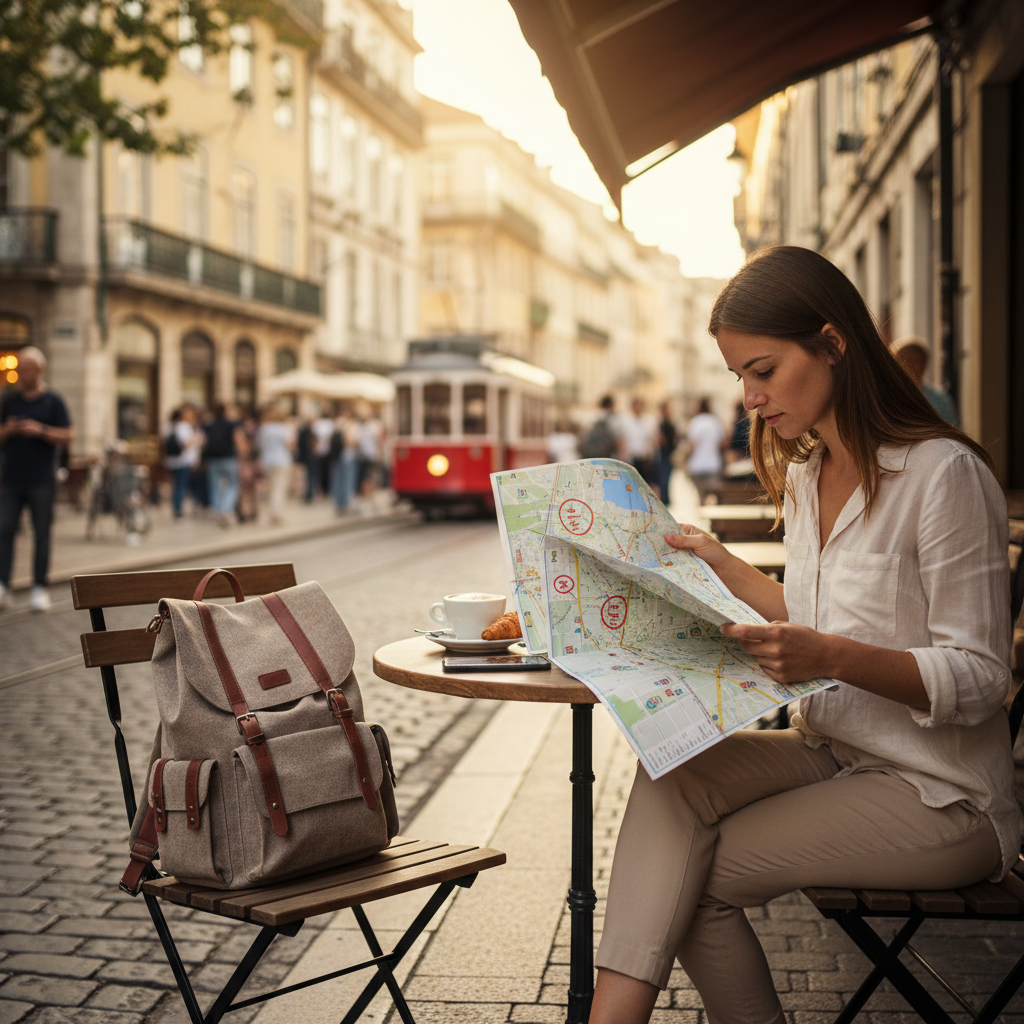
What “Hidden Gem” Really Means (and What It Doesn’t)
A hidden gem is rarely “unknown,” it is more often under-shared in mainstream travel content. It might be known to residents, students, shift workers, or a particular community, just not boosted by the usual recommendation loops.
- Hidden gems often look ordinary from the outside, a corner bakery, a tiny gallery, a park bench view that never makes Top 10 lists.
- They tend to be time-sensitive, great at 7:30am, dead at 2pm, magical on a weekday, chaotic on Saturday.
- They are not always “cheap”. Sometimes the gem is a chef’s counter seat, a craft workshop, or a local guide’s niche tour.
Also worth saying out loud, some places are “hidden” for a reason, residential areas, fragile natural sites, or community spaces that do not want heavy traffic. Finding gems includes knowing when not to amplify them.
Use Local Signals That Beat Generic Search Results
If your goal is how to find hidden gems while traveling, stop starting with “best.” Start with signals that indicate local relevance, not tourist volume.
Follow the everyday lines
- Morning lines outside bakeries, bagel shops, espresso bars, breakfast counters.
- After-work lines near transit stations, food stalls, taquerias, casual pubs.
- Family patterns around parks, libraries, markets, and weekend sports fields.
These lines are not proof of greatness, but they are a strong filter. Tourists line up too, but locals line up consistently, at predictable hours, in places that do not depend on hype.
Let “boring” local infrastructure guide you
- Farmers markets, neighborhood community centers, independent bookstores
- University areas, hospital districts, industrial coffee roasters
- Small performance venues, public pools, local art supply shops
These areas often have food and culture built for residents, which is where gems quietly cluster.
Ask for one-step recommendations
Instead of “What should I see,” ask questions locals can answer quickly, like “Where would you take a friend for a low-key dinner near here,” or “Which museum is actually worth it if I only pick one.” You get fewer influencer-style answers and more real-life picks.
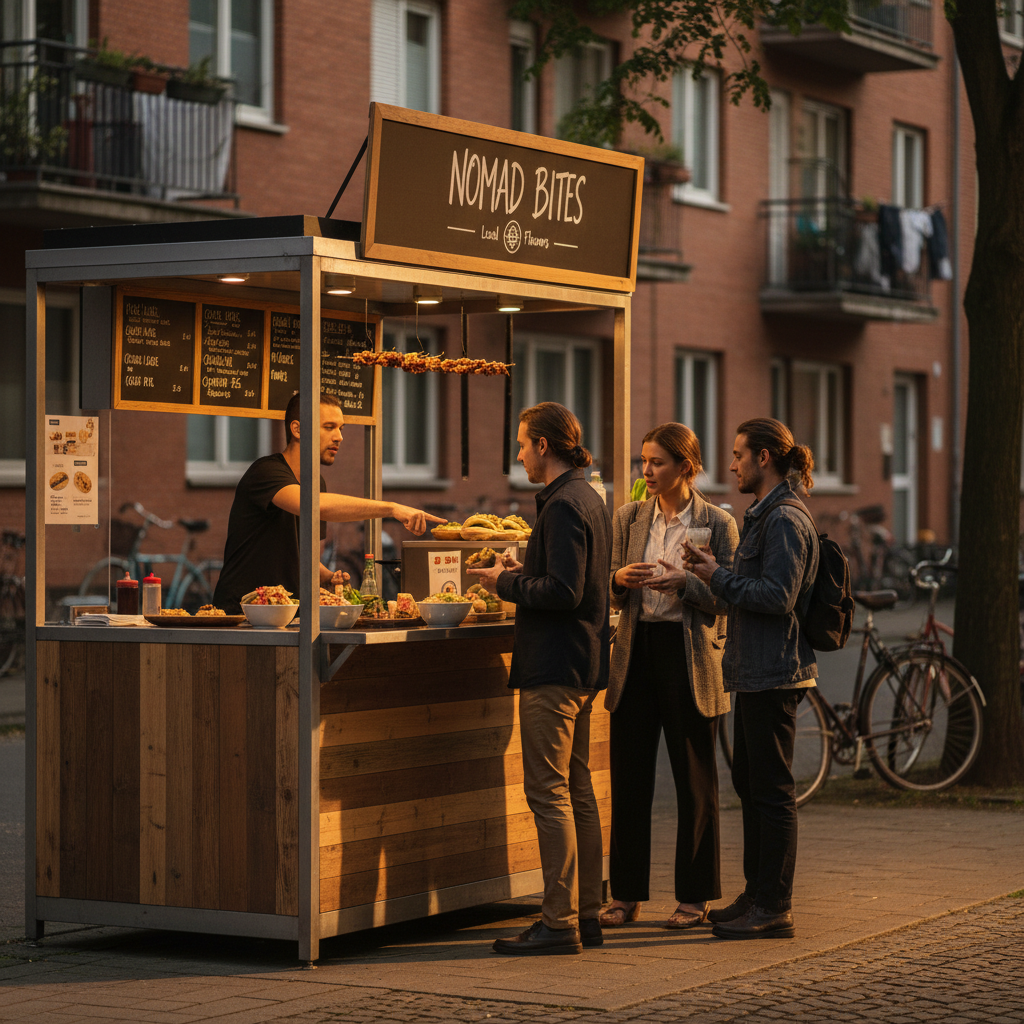
Build a “Gem Map” in 30 Minutes Using Smarter Research
You do not need 40 tabs. You need a short list of sources that behave differently from search engines, then you triangulate.
According to U.S. Travel Association, travel spending supports local economies across destinations, which is a good reminder to seek out locally owned businesses when possible and be mindful of impact.
Where to look (in a practical order)
- Neighborhood blogs and local newspapers: look for “new openings,” “editors’ picks,” “weekend events.”
- Public library or city cultural calendars: great for talks, exhibitions, small festivals.
- Maps reviews with constraints: filter by “open now,” “$$,” or “within 10 minutes,” then read the 3-star reviews for nuance.
- Special-interest communities: hiking forums, coffee subreddits, niche Facebook groups for the city.
A quick workflow that stays sane
- Pick one neighborhood per day as your “base.”
- Save 12–20 pins total, then mark 5 as “must-try,” the rest as “nice if nearby.”
- Add notes like “weekday only,” “sunset view,” “cash only,” “reservation.”
This avoids the common trap where you pin 120 places, then feel guilty for not “maximizing” the trip.
Spot the Difference Between a True Gem and a Tourist Trap
Some places are popular because they are genuinely good, and some are popular because they are easy to sell. The trick is noticing which kind you are looking at.
Quick comparison table
| Signal | More likely a hidden gem | More likely a tourist trap |
|---|---|---|
| Reviews | Detailed, specific, mentions staff, timing, small quirks | Generic praise, repetitive phrases, lots of influencer photos |
| Pricing | Matches neighborhood, clear value, not “mystery fees” | Premium pricing without clear reason, upsells everywhere |
| Menu or offering | Focused, a few specialties done well | Overly broad, “something for everyone” |
| Audience | Mixed ages, residents, repeat customers | Mostly visitors, constant photo-taking, short stays |
| Location | Works even away from landmarks | Depends heavily on being next to a “must-see” |
One subtle tell, when a place is optimized for photos more than for comfort. That does not make it “bad,” but it often means you will pay for aesthetics, not substance.
A Fast Self-Check: Which Kind of Traveler Are You Today?
People search for hidden gems, but what they really want varies. If you match tactics to your mood and constraints, you stop wasting time.
- Low-energy day: you want one great meal, one easy walk, one cozy third place like a cafe or bookstore.
- Curious day: you want a workshop, an indie museum, a neighborhood event, something hands-on.
- Nature-reset day: you want viewpoints, water access, botanical gardens, low-risk trails.
- Social day: you want a bar with locals, a small venue show, a group tour that is not mass-market.
Write down your answer before you plan, it makes “how to find hidden gems while traveling” feel less like a scavenger hunt and more like choosing the right vibe.

Practical Steps: A Repeatable 1-Day Hidden Gem Plan
This is the part most people want, a simple plan you can run in any city without overthinking.
Step 1: Choose a “home radius”
Pick a walkable zone around where you stay, or around one transit hub. A tight radius reduces decision fatigue and increases the odds you notice small places.
Step 2: Anchor the day with two sure bets
- One food anchor: breakfast or lunch where locals go
- One place anchor: park, museum, market, waterfront, scenic street
Then leave two open slots for spontaneous finds. This is where gems show up.
Step 3: Use “micro-questions” in real time
- “What’s good here that isn’t on the menu photo?”
- “If you had one hour off, where would you walk?”
- “What is busy on weekdays instead of weekends?”
Micro-questions respect people’s time, and the answers are usually more honest.
Step 4: Keep a light capture habit
Save the place, note the time and what made it good, then move on. You are building your own guidebook, not auditioning for one.
Common Mistakes That Make Gems Harder to Find
- Over-optimizing the schedule: if every hour is booked, there is no space for luck.
- Only chasing “secret” spots: many great places are well-known locally, just not viral.
- Ignoring timing: some gems depend on light, tide, live music start times, or market hours.
- Confusing “empty” with “authentic”: a quiet place can be wonderful, or it can be struggling, context matters.
- Forgetting etiquette: keep voices down in residential areas, ask before photographing people, respect “no photo” signs.
If safety comes up, trust your instincts. In unfamiliar areas, it can help to ask hotel staff or a local host what streets to avoid at night, and in outdoor settings, follow posted guidance and consider checking with park staff when conditions look questionable.
Key Takeaways + Conclusion
Key takeaways:
- Hidden gems come from better inputs, local signals, niche sources, and timing.
- One neighborhood per day beats a citywide sprint, you notice more and stress less.
- Leave space for spontaneous choices, that is where the “gem” part happens.
- Be selective about sharing, some places work because they stay small.
How to find hidden gems while traveling is not a secret trick, it is a small set of repeatable habits that make you less dependent on the loudest recommendations. Pick a neighborhood, set two anchors, ask better questions, and give yourself room to follow the day where it wants to go.
If you try one thing on your next trip, make it this, plan 70% and protect the remaining 30% for wandering. That balance is where your best stories usually hide.