
Highland travel itinerary guide planning gets tricky fast when you’re chasing views, because “scenic” can mean anything from a roadside pull-off to a half-day hike that needs the right weather window. If you’ve ever arrived at a famous overlook and found fog, a closed gate, or a parking lot full, you already know the frustration.
This guide is built for one thing: helping you stack your days with reliable viewpoints while keeping drives realistic, stops flexible, and expectations honest. You’ll get a practical 3–7 day framework you can adapt, plus a checklist for choosing routes based on season, daylight, and your tolerance for narrow roads.
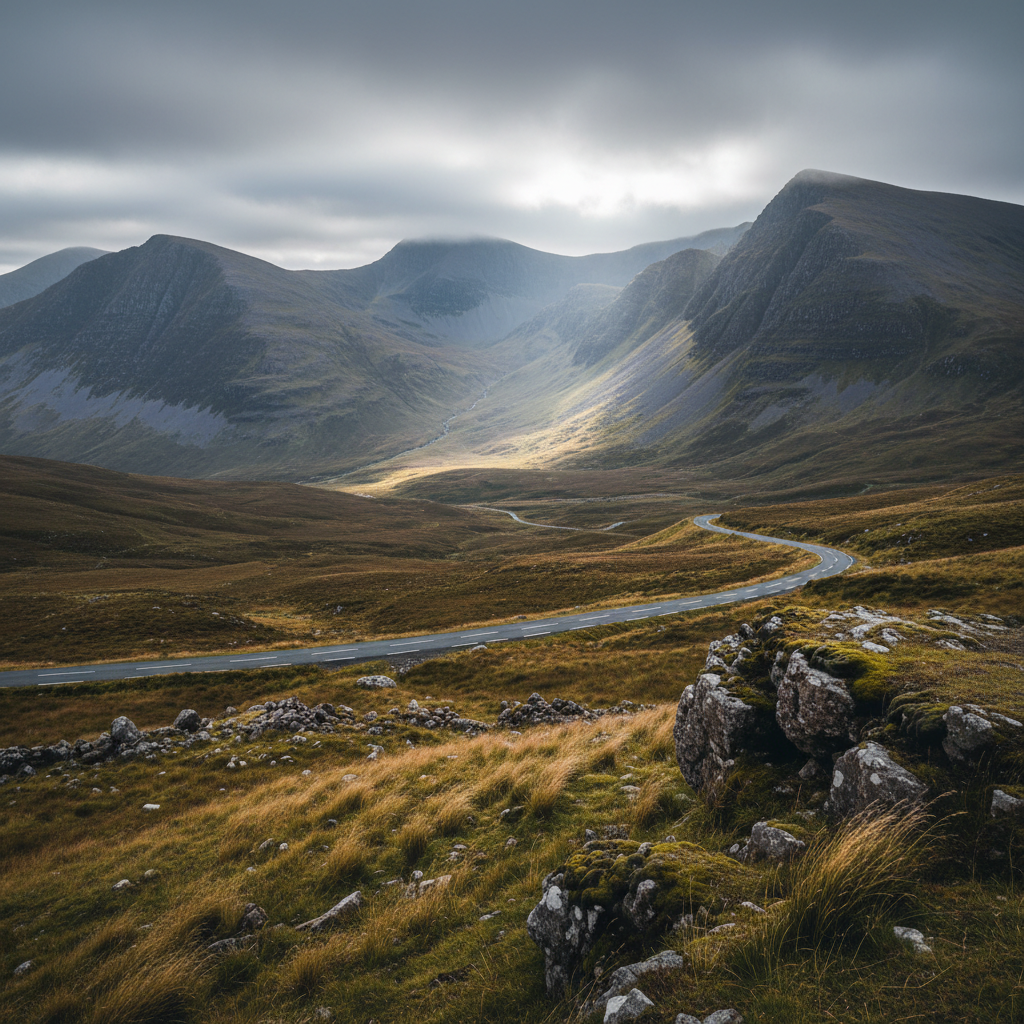
One quick note before we dive in: “Highlands” could mean Scotland, Iceland, or high-elevation regions elsewhere, and details vary by destination. The structure here stays useful across places, but you should always check local road advisories, seasonal closures, and trail conditions for the specific area you’re visiting.
What makes a “views-first” Highland itinerary work
A views-first itinerary is less about packing attractions and more about controlling three variables: light, weather, and drive time. When those align, even a simple stop can feel like the “main event.” When they don’t, the best viewpoint in the region can look flat.
- Light: Early and late hours usually bring more texture, color, and depth in the landscape, plus fewer crowds.
- Weather: Highlands change quickly, so build in swap-friendly blocks, not a rigid minute-by-minute plan.
- Drive time: Scenic roads slow you down, and stopping “just for a minute” happens a lot, plan for it.
According to the National Park Service (NPS), weather and road conditions can change rapidly in mountainous areas, and travelers should check forecasts and alerts before heading out. That advice applies even more in remote Highlands where services can be limited.
Choose your route style: loop, out-and-back, or base-and-spoke
This is where most people quietly lose time. They book lodging first, then discover the “pretty bits” sit on opposite sides of a mountain range or behind a single-lane road. Pick a structure, then choose lodging that supports it.
Route styles (and who they fit)
- Loop: Best for 4–7 days, fewer repeat drives, great for variety, but you’ll be packing/unpacking more.
- Out-and-back: Best for short trips, simplest logistics, but you may repeat the same stretch of road.
- Base-and-spoke: Best if you want comfort and flexibility, but long day trips can add up quickly.
If you’re using this as a highland travel itinerary guide for views, loops tend to win because they let you chase conditions, if one pass is socked in, you can pivot to the other side without undoing your whole day.
A practical 3–7 day framework focused on viewpoints
Instead of naming a specific country or park, this framework uses “view types” you can map to your destination: ridge overlooks, lakeside panoramas, waterfall corridors, and coastal cliffs. It’s the same logic photographers use, just simplified.
| Trip length | Best itinerary shape | Viewpoint focus | Pacing tip |
|---|---|---|---|
| 3 days | Base-and-spoke | 1 signature drive + 1 “high return” overlook each day | Keep daily driving modest so you can wait out weather |
| 4–5 days | Loop | Mix mountain passes, lakes, and a coastal or canyon edge | Plan one lighter day for recovery and flexibility |
| 6–7 days | Loop (slower) | Add 1–2 hikes to “earned views” beyond roadside stops | Two nights in one place can reduce fatigue |
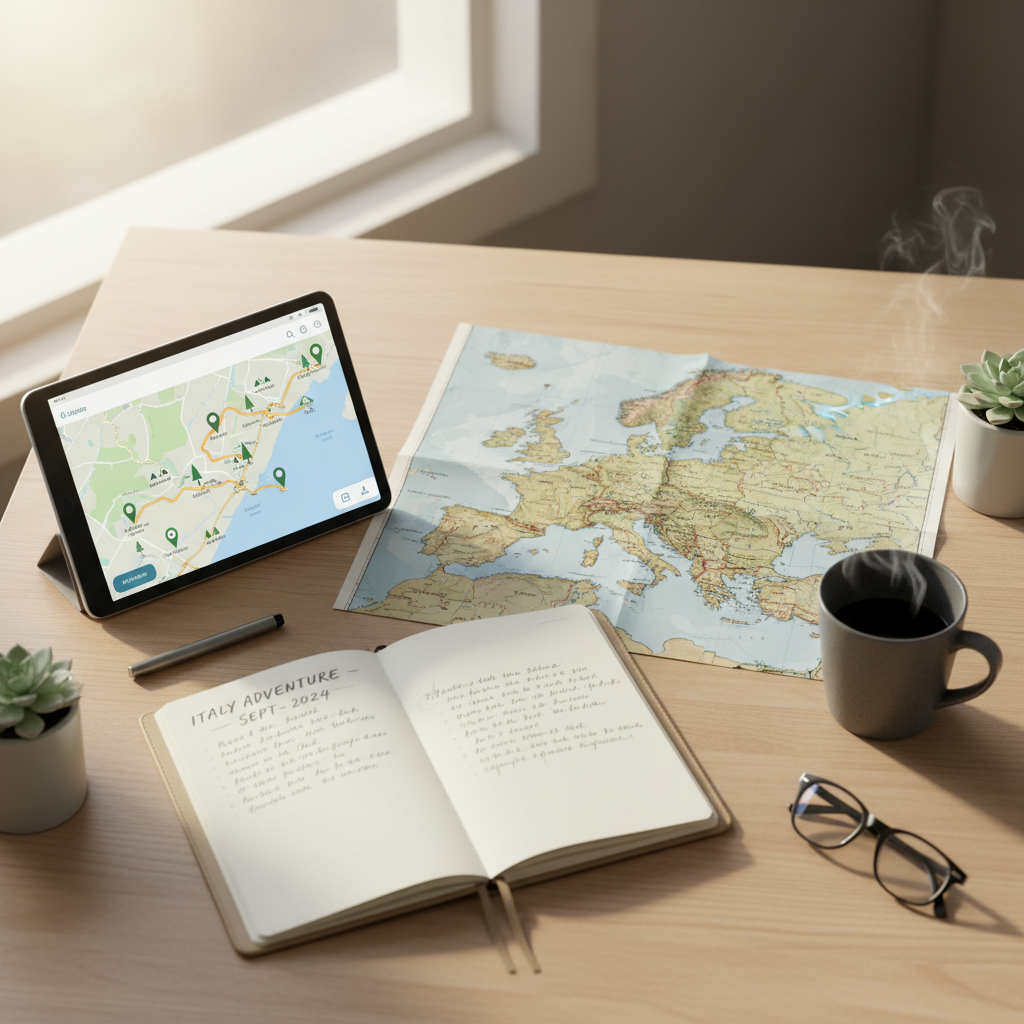
Here’s a simple day-by-day pattern that works in a lot of Highland regions, especially when the goal is big scenery without constant rushing.
- Day 1 (arrival + warm-up views): Short drive, one accessible overlook near your base, sunset spot if skies cooperate.
- Day 2 (signature scenic road): Start early, schedule 2–4 stops that are “must-see,” keep the rest optional.
- Day 3 (water + vertical): Waterfalls, lakes, or glens in the morning, then a higher-elevation viewpoint later if wind and visibility allow.
- Day 4–5 (move base or continue loop): Build in a “weather swap” day where any missed viewpoint can be replayed.
- Day 6–7 (earned views): One longer hike or cable-car style ascent if available, then a slower final evening location.
Many travelers treat a highland travel itinerary guide like a checklist, but the real win is leaving space for the one hour when clouds lift and the whole valley opens up.
Quick self-check: which itinerary type fits you?
If you’re torn between “cover ground” and “linger for light,” this takes two minutes and saves headaches later.
- You should prioritize a loop if you enjoy road trips, can handle frequent lodging changes, and want maximum variety in landscapes.
- You should prioritize base-and-spoke if your group values comfort, you travel with kids, or you want to keep dining and downtime predictable.
- You should simplify to 2 hubs if your drives are exceeding your patience, or you keep cutting hikes because you arrive too late.
Key point: If your “view” locations are spread across multiple passes, one base can quietly create 2–3 hours of extra driving per day, and that’s the time you thought you had for viewpoints.
Execution tips that actually improve your views (without fancy gear)
People often ask for the “best viewpoint,” but consistency comes from how you run the day. A few small habits make the scenery feel bigger.
Timing and crowd control
- Start earlier than you want to: Morning light plus empty roads usually beats sleeping in and fighting parking.
- Use a soft “golden hour” plan: Pick one sunset target, keep a backup closer to lodging in case weather turns.
- Anchor stops, keep the rest flexible: Two committed viewpoints per day is often enough, everything else becomes bonus.
Weather strategy (the flexible kind)
- Think in “visibility zones”: If peaks are socked in, switch to forests, waterfalls, or lochs where mist adds mood.
- Watch wind as much as rain: Wind can reduce reflection views at lakes and increase exposure risk on ridges.
- Don’t force ridge walks in bad conditions: In many Highland areas, narrow trails and sudden gusts raise risk, consider a safer overlook and revisit later.
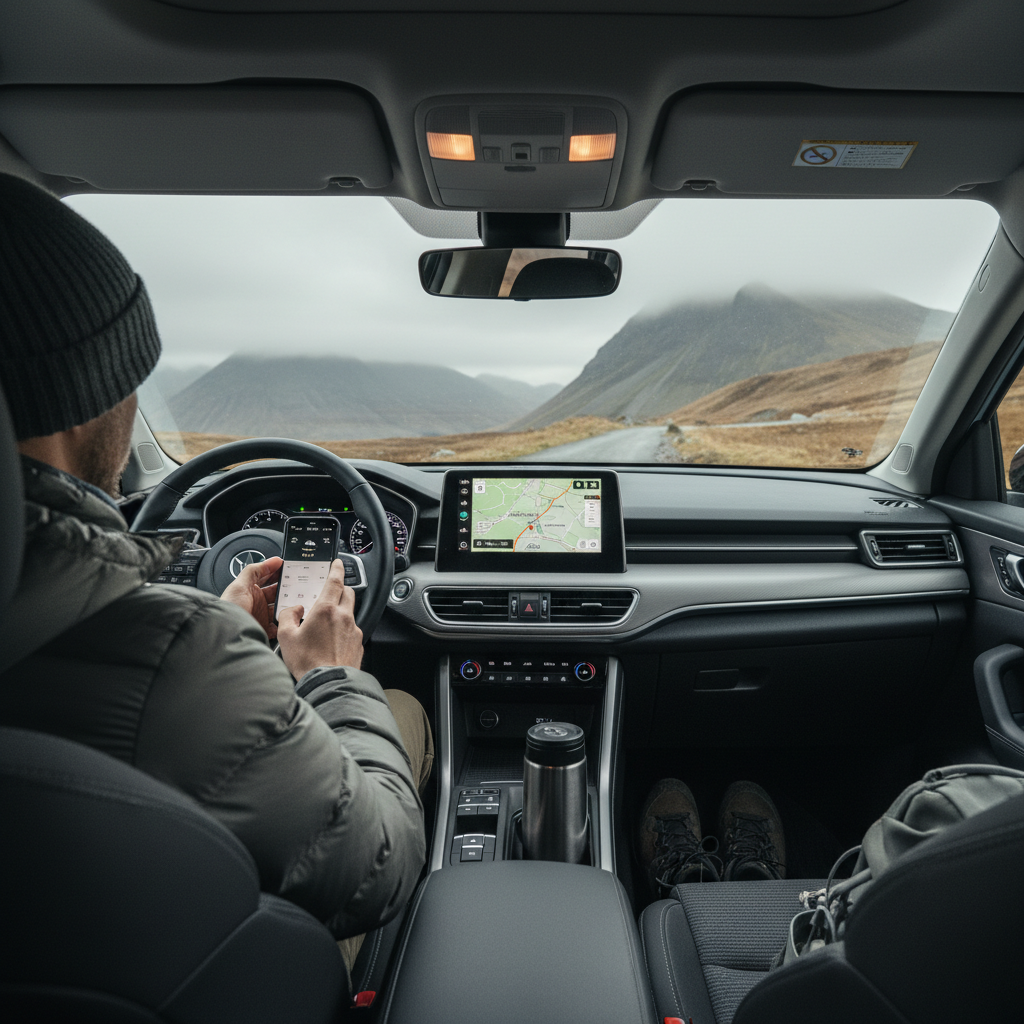
According to the U.S. Forest Service (USFS), visitors should prepare for changing weather and carry essential gear when traveling in mountainous terrain. Even if your Highlands are outside the U.S., the underlying safety logic still holds.
Common mistakes that flatten an otherwise great trip
Most “bad” view trips aren’t bad destinations, they’re small planning choices that compound.
- Overbooking one day: If you plan 7 viewpoints, you end up seeing 2 while stressed, and you remember the stress.
- Ignoring road style: A short distance on a map can mean slow, narrow, winding roads with pull-offs and livestock.
- Chasing only famous spots: The best moments often come from a quiet lay-by when the light shifts.
- Skipping buffers: Parking, photo stops, coffee, and restroom breaks take real time, especially with groups.
If you’re using a highland travel itinerary guide to stay efficient, this is the mindset shift: plan for the road to be part of the view, not just the thing between views.
When to get local or professional help
Most travelers don’t need a private guide, but there are situations where advice from local operators, park staff, or a qualified mountain guide can be worth the money.
- Shoulder seasons: Late fall through early spring can bring closures, icy roads, and limited daylight, local intel matters.
- High-exposure hikes: Ridge routes, scrambles, or glacier-adjacent areas may require experience and the right equipment.
- Remote driving plans: If you’ll be far from services, ask about fuel ranges, road conditions, and emergency procedures.
For safety-critical questions, especially around trails, water crossings, or winter driving, it’s usually smart to consult a local authority or a qualified professional rather than trusting a generic map screenshot.
Conclusion: a views-first plan you can actually follow
A good views trip comes from a simple recipe: choose a route structure you can sustain, commit to a couple of standout viewpoints per day, and keep enough flexibility to work with the weather instead of fighting it. That’s the part many itineraries skip, and it’s why they feel stressful in practice.
If you want an easy next step, pick your top 6–8 viewpoint candidates, label them by type and elevation, then build your days around two “anchors” plus optional stops. Your highland travel itinerary guide becomes a tool you use, not a schedule that controls you.
FAQ
How do I pick viewpoints that won’t be ruined by bad weather?
Mix high-elevation overlooks with lower “weather-friendly” scenery like waterfalls, forests, and lake shores. If visibility drops, you still get a strong experience instead of a blank horizon.
What’s a realistic amount of driving per day in the Highlands?
It depends on road type and how often you stop, but many itineraries feel better when you keep driving moderate and leave time to pull over. Scenic routes are slower than they look on a map.
Is a 3-day Highland trip enough for big views?
Yes, if you narrow your focus to one signature drive and a couple of reliable overlooks near your base. Trying to “do the whole region” in 3 days is where it gets frustrating.
Should I book lodging first or build the route first?
For view-chasing, sketch the route first, then book lodging that supports it. Otherwise you can end up with beautiful hotels that force long backtracking drives.
How can I avoid crowds at famous scenic stops?
Earlier mornings help, and so does choosing one marquee location per day instead of stacking many. Also, don’t ignore lesser-known pull-offs, they often deliver great panoramas with no waiting.
Do I need special gear for a viewpoints itinerary?
Usually not beyond layers, rain protection, and good footwear. If you’re attempting higher routes or winter conditions, you may need more specialized equipment and local advice.
What if my group has mixed fitness levels?
Balance roadside viewpoints with one optional hike day, and choose trails with turnaround points so people can opt out without the whole day collapsing.
If you’re building a trip and want a more hands-off plan, it can help to share your dates, comfort level with driving, and “must-see” landscapes with a local planner or tour operator, they often spot small route tweaks that make your scenic days feel calmer.