
Travel backpack anti theft shopping usually starts after one annoying moment, you feel a zipper tug in a crowd, you realize your phone is missing, or you spend the rest of the day with a hand on your bag.
The good news is you can lower risk a lot with a few right features and some simple carry habits. The tricky part is that “anti-theft” gets used loosely, so two bags can look similar online but perform very differently in real life.
This guide breaks down what actually matters for safety, how to tell if a backpack fits your trip style, and how to use it in a way that makes theft harder, not just “less convenient.”
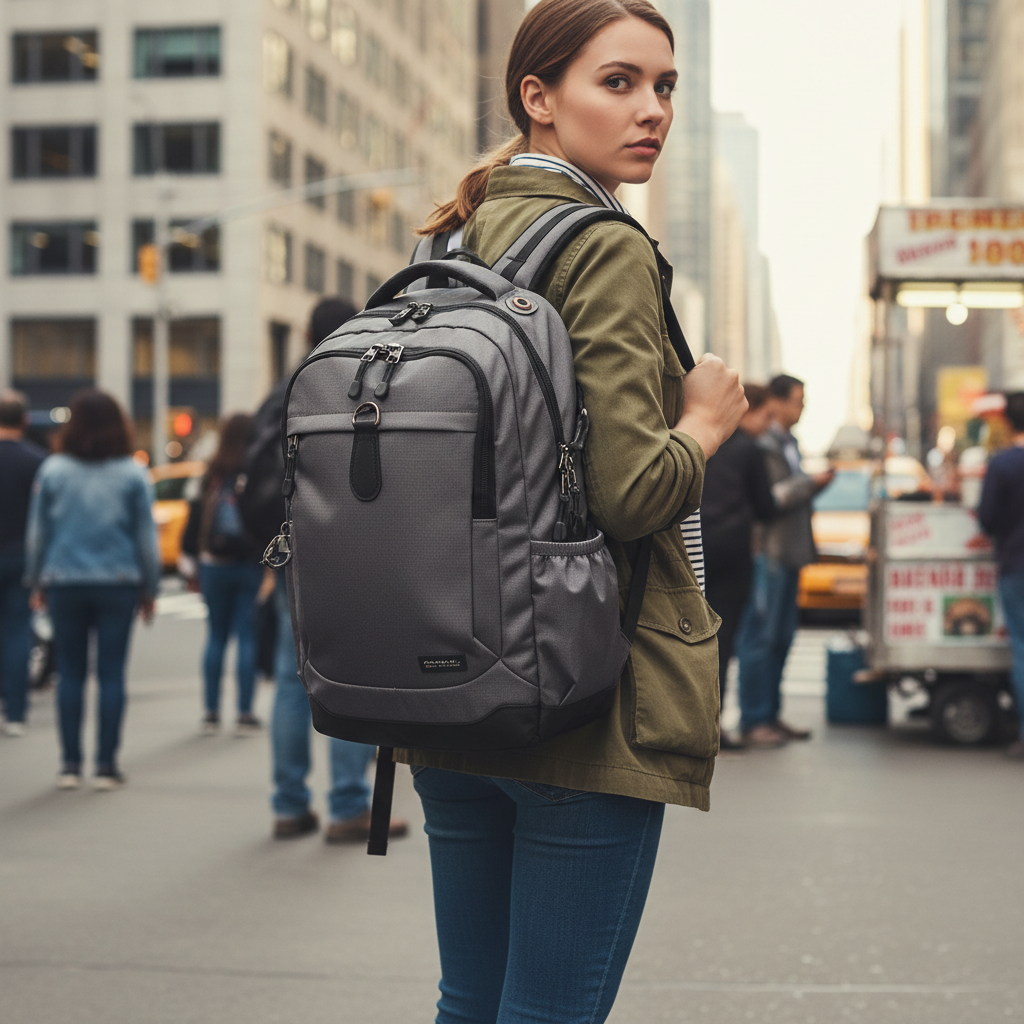
Why travel theft feels random (and why it usually is not)
Most travel theft is opportunistic, not movie-level. Someone notices an easy target, an open pocket, a bag hanging off one shoulder, a phone in the back pocket, and they take the chance.
According to the U.S. Department of State, travelers should expect higher risk of petty theft in crowded tourist areas and transit hubs, and they recommend keeping valuables secured and staying alert in those environments.
- Crowding creates cover: subways, festivals, boarding lines, busy markets.
- Distraction works: someone “helps” with directions while another reaches for a zipper.
- Predictable storage: passports in outer pockets, wallets in quick-access sleeves.
- Fast exits: doors closing, escalators, moving sidewalks, train stops.
So the real goal is not “theft-proof,” it is make your bag slower to access, harder to open quietly, and less rewarding if someone tries.
Anti-theft features that matter (and what is mostly marketing)
A travel backpack anti theft design works best when the features support how thieves actually operate: quick hands, minimal time, low attention. Here are the features that tend to translate into real-world benefit.
Features worth paying attention to
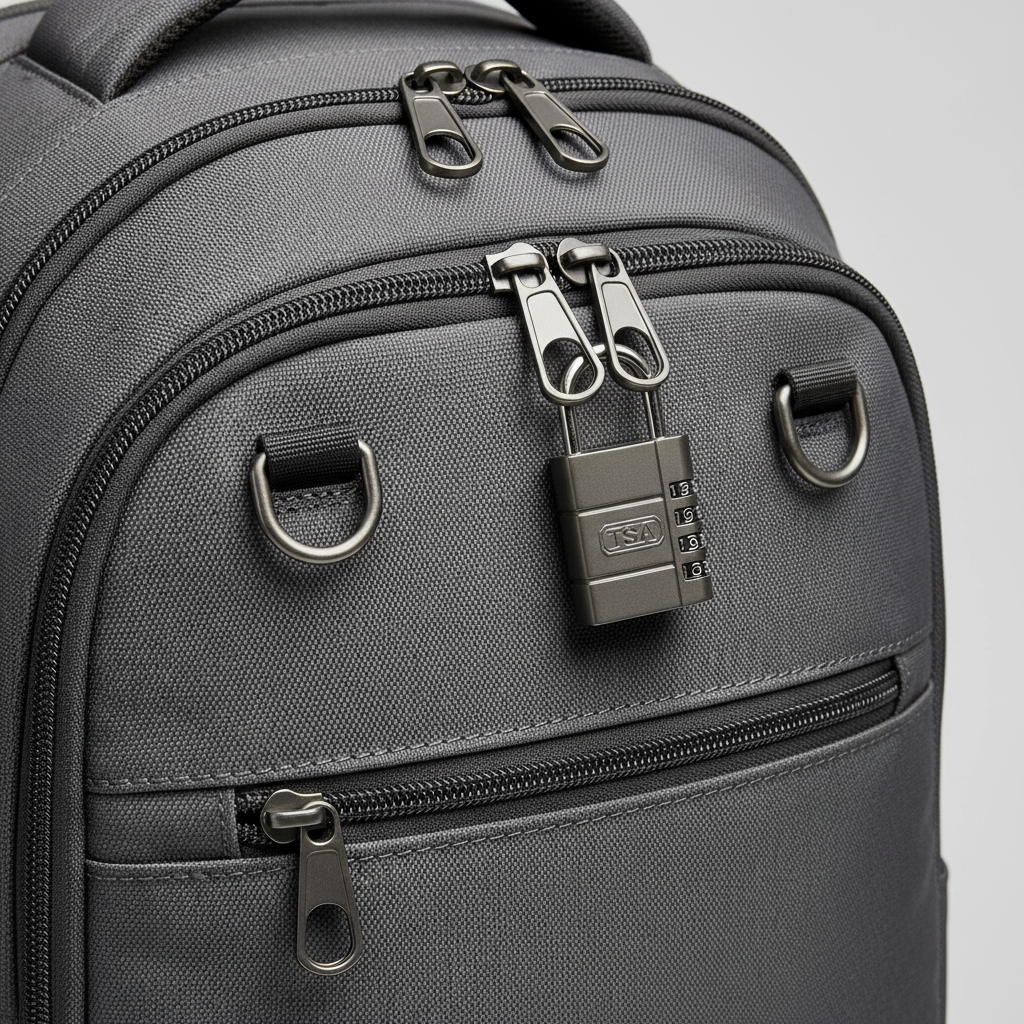
- Lockable zipper pulls: zipper heads that can clip together or into a small ring, making “easy unzip” harder.
- Hidden pockets: ideally on the back panel (against your body) for passport, spare card, cash.
- Cut-resistant strap or anchor points: helps in places where bag-snatch attempts happen, though materials vary by brand.
- RFID-blocking pocket: can reduce unauthorized scanning in some situations, but it is not a replacement for physical security.
- Minimal external access: fewer big front pockets, cleaner exterior, less “inviting” storage.
Features to treat as “nice-to-have,” not the whole plan
- Slash-proof panels: helpful in certain destinations, but weight and stiffness can go up, and not every “slash-proof” claim is equal.
- Built-in locks: convenient, yet small integrated locks often deter casual attempts more than determined ones.
- “Hidden” pockets that are still reachable: if a pocket sits on the side seam and can be opened while worn, it is not truly hidden.
If you remember one thing, remember this: zippers + access points drive most of the day-to-day risk.
Quick self-check: what type of traveler are you?
Before you compare bags, be honest about your travel patterns. A bag that feels perfect for city commuting can be annoying for long-haul flights, and the safest bag on paper can fail if you hate using it.
- Transit-heavy traveler: lots of trains, buses, subway transfers, boarding lines.
- City walker: dense areas, cafés, attractions, frequent stops to take photos.
- Digital nomad / work trip: laptop, cables, sometimes two devices, needs organization.
- Day-trip minimalist: water bottle, light jacket, power bank, small essentials.
Now answer these fast questions:
- Do you need a laptop compartment? If yes, how many inches and how much padding feels realistic?
- Will you regularly set the bag down in public? If yes, do you want a rear-access main compartment?
- Do you hate fiddly closures? If yes, skip overly complex lock systems you will stop using.
- Are you often in very crowded areas? If yes, prioritize back-panel hidden storage and clean exteriors.
Choosing the right size, layout, and carry comfort (security depends on fit)
Security sounds like hardware, but comfort matters because a bag that slides off your shoulder or forces you to carry it loosely becomes easier to target.
- Capacity: for most day use, many people land around 15–25L; for one-bag travel, 30–45L is common, but check airline rules.
- Back panel and straps: supportive padding helps you keep the bag snug, which reduces “gaps” for hands.
- Main compartment access: clamshell and rear-access designs can be slower for thieves, but still practical for you.
- Water bottle pocket placement: side pockets are convenient, but avoid storing valuables near them.
If you try bags in person, do one simple test: load it with a laptop-shaped object and a water bottle, adjust straps, then twist your torso. If the bag shifts a lot, you will probably “half-wear” it later, which undermines the anti-theft intent.
Comparison table: what to prioritize by scenario
Not every trip needs the same level of security. Use this as a practical filter when you compare options.
| Travel scenario | Top priorities | Nice-to-have | Common mistake |
|---|---|---|---|
| Subway + tourist hotspots | Lockable zippers, hidden back pocket, slim exterior | Cut-resistant strap | Using front organizer for passport |
| Airports + long flights | Rear-access for valuables, luggage pass-through, comfy straps | RFID pocket | Storing electronics in easy-grab outer sleeve |
| Remote work / laptop carry | Padded laptop compartment, discreet pocketing, durable zippers | Internal cable organization | Overpacking until zippers strain |
| Day trips + cafés | Bag that stays on-body, hidden pocket, easy to keep closed | Small tether for keys | Hanging bag on chair back |
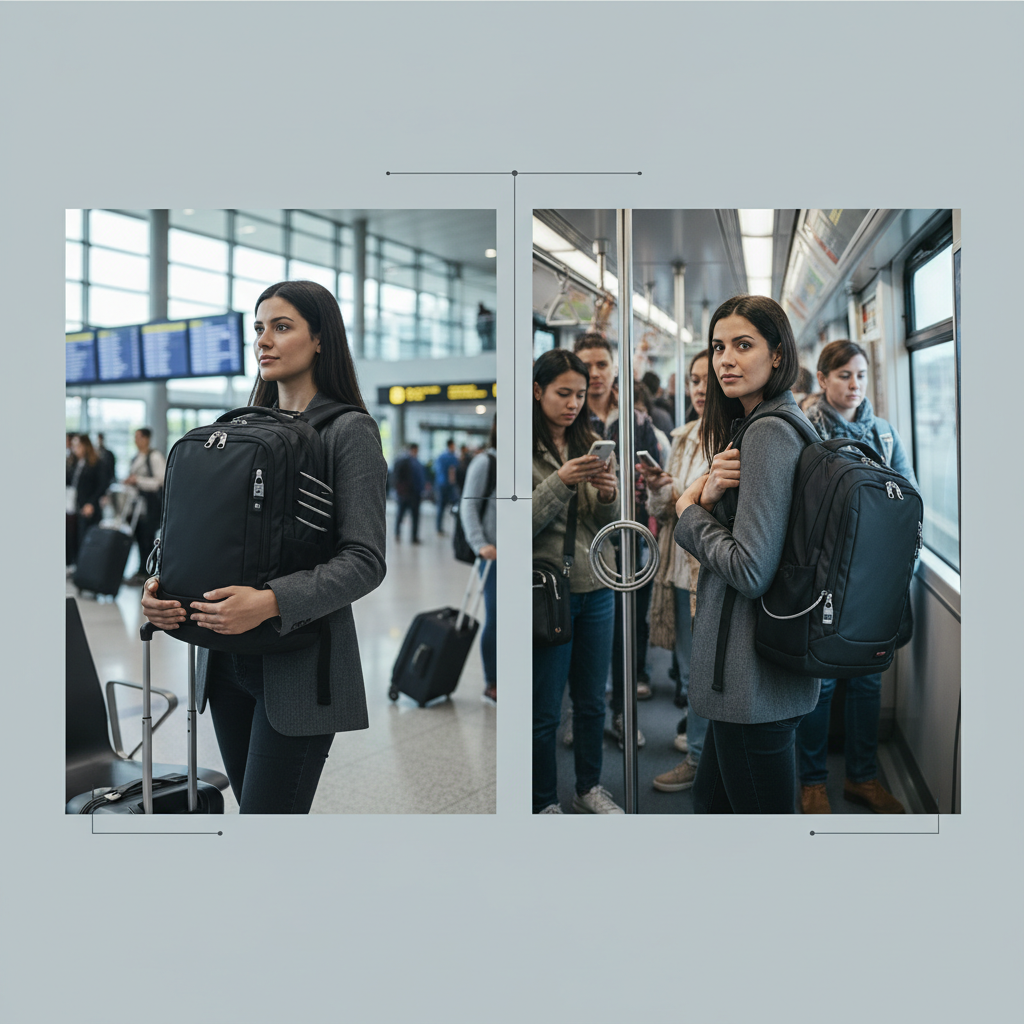
How to use an anti-theft backpack in real life (simple habits that work)
Even the best travel backpack anti theft setup can fail if it is used like a regular school bag. These habits are boring, but they work.
On the street and in crowds
- Close every zipper every time, even for short walks.
- In dense crowds, wear the bag higher and tighter so the back panel stays flat.
- Move phone and wallet out of exterior pockets when you enter a busy area.
- If someone bumps you “accidentally,” do a quick zipper check without making a scene.
In cafés, bars, and hotels
- Loop a strap around a chair leg or table support when possible, even a simple anchor slows a snatch attempt.
- Keep passport and backup card in the hidden pocket, not in the room “just for tonight.”
- Use hotel safes carefully, and if anything feels off, consider carrying critical items instead; security conditions vary by property.
On trains, buses, and planes
- Overhead bins invite rummaging, keep valuables in a smaller pouch on your body if you plan to sleep.
- Under-seat storage can be safer when the bag stays between your feet, straps tucked.
- In boarding lines, do not let the bag sit behind you with pockets facing out.
Common mistakes (the stuff people regret later)
- Buying “anti-theft” and stopping there: the label does not replace daily habits.
- Storing everything in one spot: if one zipper access fails, you lose the whole trip. Split valuables.
- Using tiny padlocks incorrectly: if a lock dangles and you never attach it, it turns into noise, not protection.
- Ignoring wear and tear: broken zipper tracks, loose seams, and tired pulls make access easier over time.
- Overconfidence with RFID: RFID-blocking can help in some situations, but physical theft still causes most losses.
Key takeaways you can save: prioritize lockable zippers and hidden storage, keep the bag snug on your back, and separate “must-not-lose” items so one mistake does not wipe you out.
When to get extra help (or increase your security plan)
If you have a high-value camera kit, must-carry medications, or sensitive work devices, it is smart to add layers beyond a backpack. That might mean a crossbody pouch under a jacket, a discreet tracking tag, or travel insurance that matches your gear value.
If you are traveling to a destination with elevated crime risk, consider checking official guidance. According to the U.S. Department of State, reviewing destination-specific advisories and local safety recommendations can help you plan safer routines. For complex situations, especially involving loss of identity documents, contacting local authorities and your nearest embassy or consulate is typically recommended.
Conclusion: pick a safer bag, then use it like you mean it
A good anti-theft backpack is really a combination of design and behavior. Choose a bag with lockable zippers, genuinely hidden pockets, and a layout you will actually use every day, then back it up with simple habits in crowds and transit.
If you are shopping this week, make one quick action step: write down your top three “must carry” valuables, then decide exactly where each one will live in your bag system, so you stop improvising when you feel rushed.
FAQ
- What makes a travel backpack anti theft compared to a normal backpack?
Usually it is a mix of lockable zippers, hidden pockets against the back panel, and a design that limits easy exterior access. The best ones also carry comfortably so you keep them snug, which matters more than people expect. - Are anti-theft backpacks actually worth it for Europe trips?
Many travelers find them worthwhile in dense cities and transit-heavy itineraries, mostly because the features encourage better habits. They do not eliminate risk, but they can reduce easy opportunities. - Do I need RFID protection in my backpack?
It depends on your comfort level and where you travel. RFID-blocking can reduce some scanning scenarios, but it will not help if someone steals your wallet outright, so do not treat it as the main layer. - Can I use small TSA locks on backpack zippers?
You can, but use them consistently and understand what they do: deter casual access and slow someone down. They are not a guarantee against forced entry, especially on lightweight zippers. - Where should I keep my passport in an anti-theft backpack?
A hidden pocket on the back panel is a common choice because it stays against your body. If you expect heavy crowds, some people prefer a separate on-body pouch so the passport never leaves their control. - What size anti-theft backpack works for a personal item on flights?
Airline limits vary, so check your carrier before buying. In many cases, a slim 18–28L bag fits better as a personal item than a tall, rigid pack that looks “carry-on sized.” - How do I prevent theft when I set my backpack down at a café?
Anchor it to something stable with the strap, keep zippers closed, and avoid leaving valuables in quick-access pockets. If the environment feels sketchy, keeping the bag on your lap or between your feet is often safer.
If you need a more hands-off option, look for a travel backpack anti theft model that fits your routine first, then shortlist the security features you will truly use, because the “best” bag is the one you keep zipped, tight, and organized when your attention is somewhere else.