
Budget travel tips for beginners start with one simple idea: spend money where it actually improves your trip, and cut costs everywhere else. If you try to “save” randomly, you often end up paying more later, usually in stress, fees, or wasted time.
First-time travel has a sneaky way of turning small choices into expensive ones: booking the wrong dates, packing the wrong stuff, missing a transit option, or choosing a “cheap” hotel that forces you into pricey rideshares. This guide keeps it practical so you can plan with confidence, not guesswork.
You’ll find a clear way to set a realistic budget, book flights and lodging without common traps, and keep daily spending under control, plus a quick checklist to self-audit your plan before you leave.
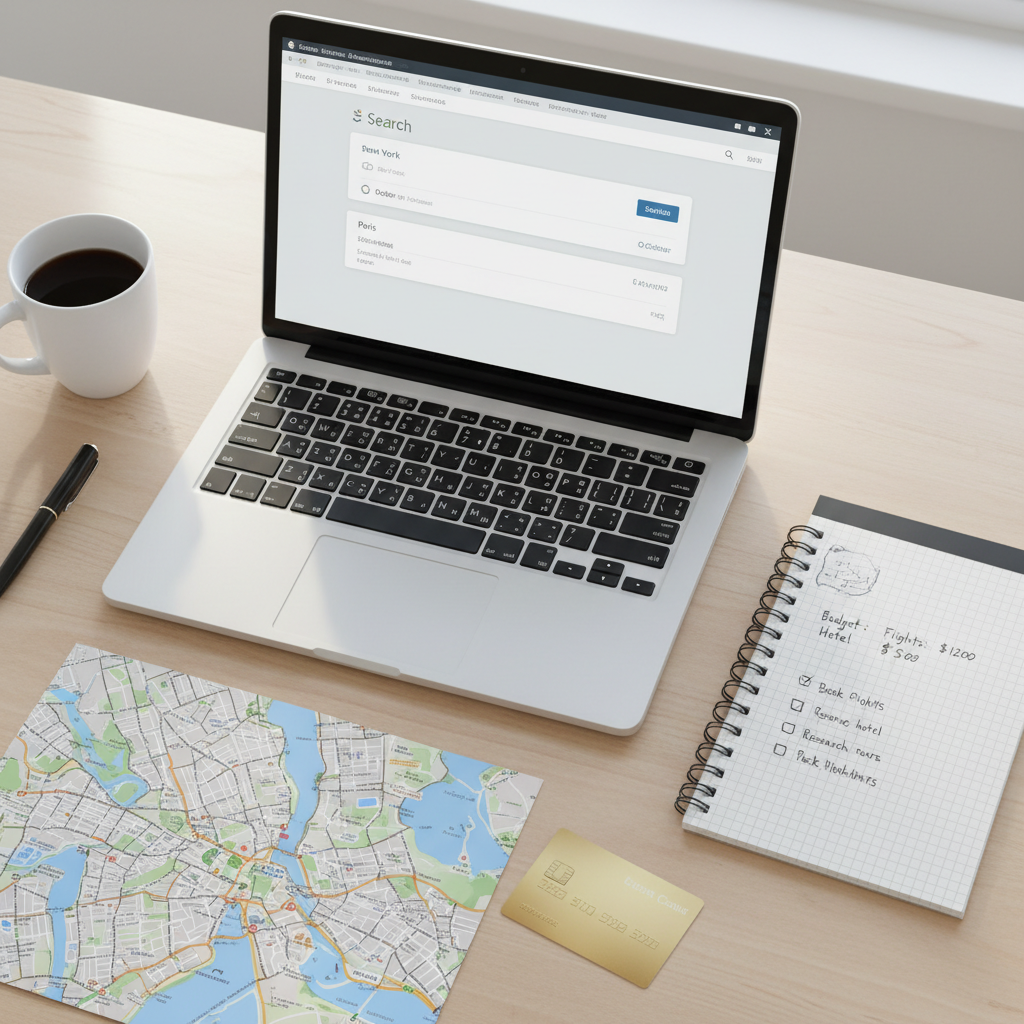
Start with a “real” trip budget (not just a number)
The fastest way to blow a budget is treating it like a single total. A usable budget is categories plus a buffer, because travel costs rarely behave.
A simple category framework that works for most trips
- Transportation: flights, trains, public transit, rideshares, parking
- Lodging: nightly rate + taxes + resort/destination fees
- Food: groceries, quick meals, one or two “nice” meals
- Activities: museums, tours, day trips, rentals
- Trip insurance: optional, but often worth pricing out
- Misc: souvenirs, laundry, tips, local SIM/eSIM
- Buffer: aim for 10–20% if you can
According to the U.S. Department of Transportation, airlines must disclose the full fare including taxes and mandatory fees in advertised prices, but optional add-ons can still change what you actually pay. That buffer protects you from baggage fees, seat selection, and local surprises.
Key takeaway
If you can’t explain what your buffer is for, you don’t have a buffer. It becomes “extra spending,” and that’s when budgets break.
Pick the right timing: dates matter more than you think
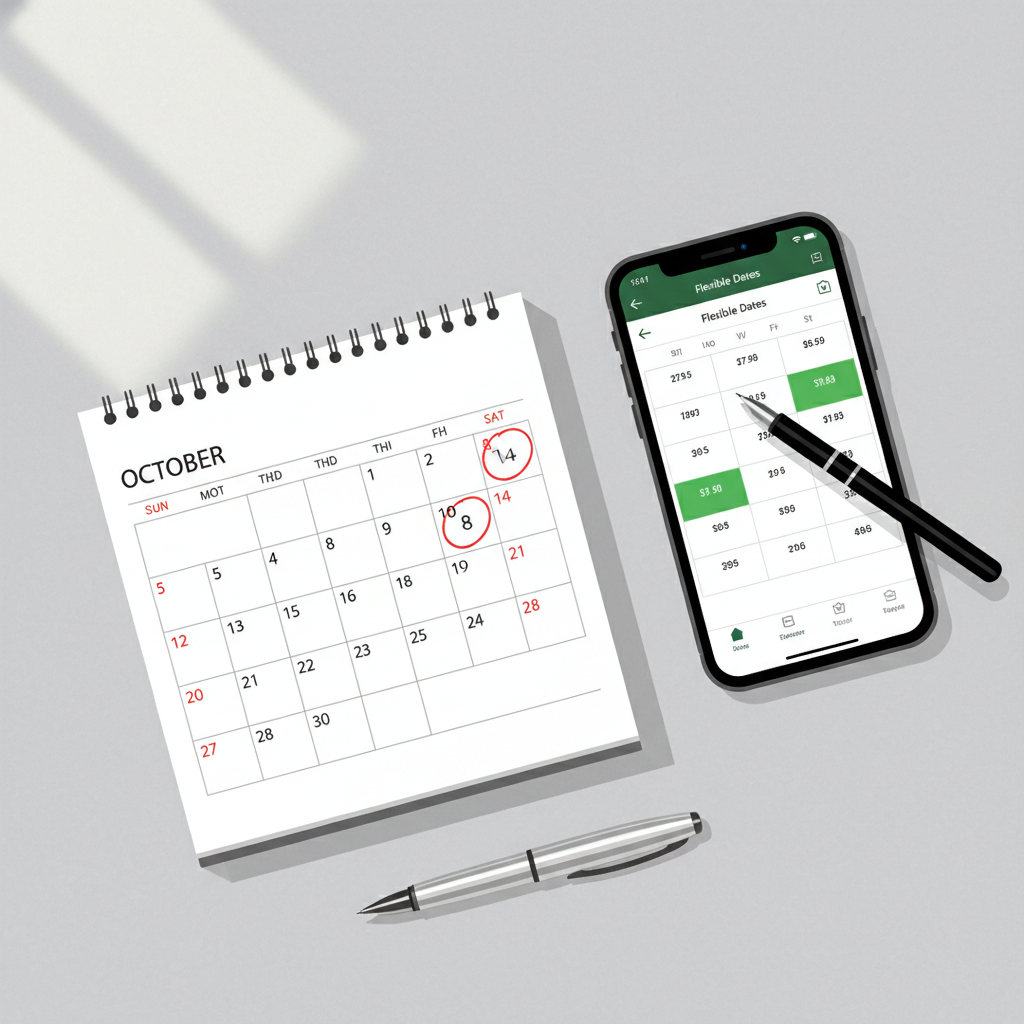
Many beginner travelers assume the “destination” is the main cost lever. In reality, your dates and flexibility often drive price swings more than anything else.
- Try shifting by 1–3 days: midweek departures can be cheaper than weekend-heavy schedules.
- Watch school calendars and major events: festivals, conventions, and holidays quietly inflate prices.
- Travel in shoulder season: you usually get decent weather and better availability without peak pricing.
One honest note: sometimes the “cheap” season is cheap for a reason. If weather risk is high, your savings may come with cancellations or miserable days. Weigh the trade-off before you commit.
Book transportation without paying “new traveler tax”
Transportation is where first-timers most often overpay, because the booking process is full of small defaults that push you upward.
Flight booking habits that usually save money
- Compare nearby airports: even a 45–60 minute difference can change fares.
- Use alerts: price alerts reduce panic-booking.
- Understand fare types: “basic economy” can be fine, but check carry-on rules and seat assignment.
- Don’t ignore total trip cost: a cheaper flight that lands far away may cost more once you add ground transport.
Ground transit: the underrated budget saver
If you’re visiting a city with reliable transit, plan around it. A hotel one subway line from the center can be a better deal than a “walkable” option with a higher nightly rate.
According to the Federal Aviation Administration (FAA), consumer guidance emphasizes understanding airline policies and fees before flying; in practice, that means reading baggage and change rules before you click purchase, not after.
Lodging: how to pay less without ending up miserable
Cheap lodging is only a win if it supports your trip. The best budget stays usually balance three things: safety, sleep, and location.
Quick filters that prevent bad surprises
- Check total price: taxes and fees can change the ranking.
- Read recent reviews: focus on patterns, not one angry comment.
- Scan the neighborhood: look at transit stops, grocery options, and how you’ll get back at night.
- Know your non-negotiables: quiet, private bathroom, elevator, AC, desk, whatever matters for you.
A practical comparison table
| Option | Usually best for | Hidden costs to watch | Beginner-friendly? |
|---|---|---|---|
| Budget hotel | Simple, predictable stays | Parking, resort fees, pricey breakfasts | Often yes |
| Hostel (private room if available) | Solo travelers, social vibe | Locker/linen fees, noise, shared bathrooms | Depends on comfort level |
| Vacation rental | Families, longer trips, cooking | Cleaning fees, chores, strict check-in rules | Yes, with careful reading |
| Staying farther out | People who prioritize space | Transit time, late-night rideshares | Yes, if transit is strong |
Good budget travel tips for beginners usually include this rule: never book lodging without checking how you’ll get there from the airport. That one step saves a surprising amount of money and frustration.
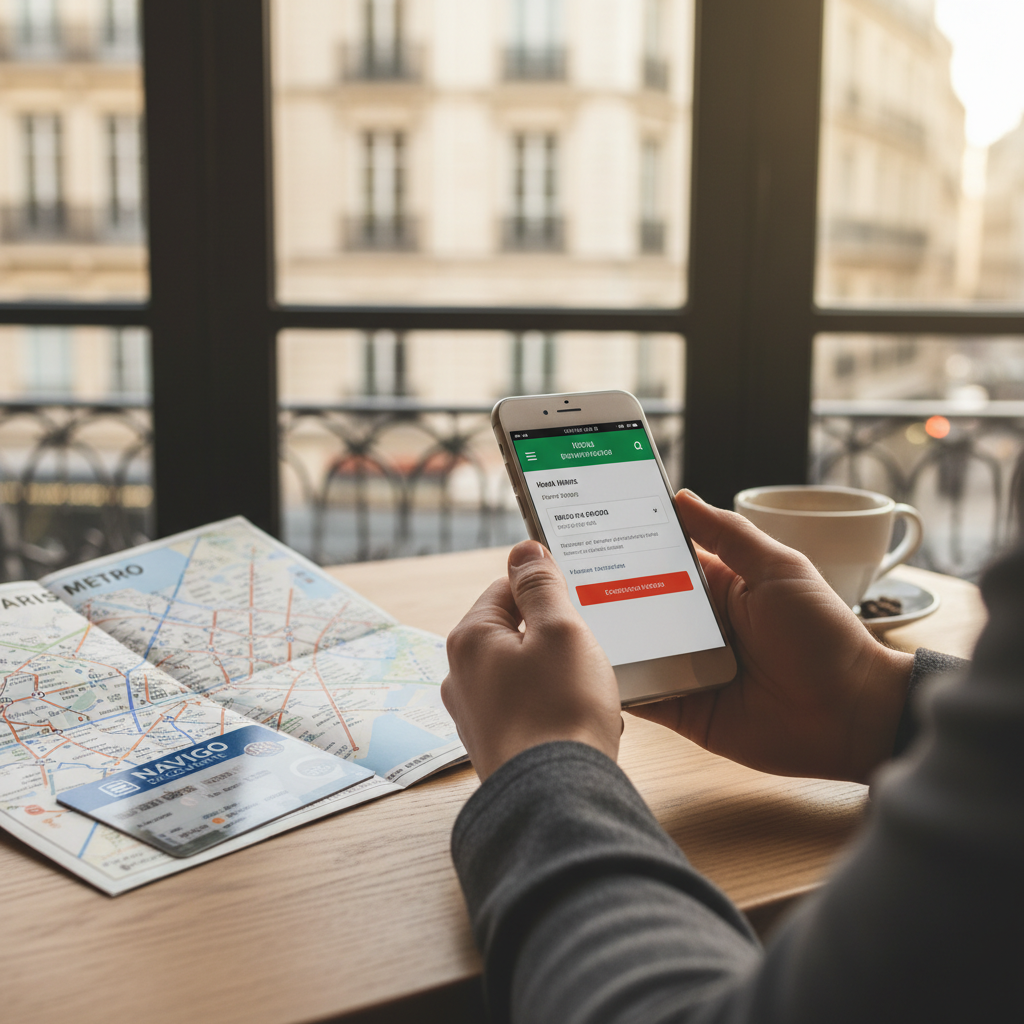
Daily spending: keep it under control without “ruining the fun”
A lot of people hear “budget travel” and picture skipping everything enjoyable. That’s not the goal. The goal is choosing what’s worth paying for, then protecting that choice.
Use a simple daily spending plan
- Pick 1 paid priority per day: a museum ticket, a show, a special meal, or a day tour.
- Anchor meals: one grocery meal or quick bite, one flexible meal, one “nice” meal if it fits.
- Set a cash-like limit: even if you use cards, treat a daily cap as real.
Easy savings that still feel good
- Walk more, rideshare less: you see more, and your wallet stays calmer.
- Book timed-entry tickets: you waste fewer hours, which reduces impulse spending.
- Free experiences: parks, public markets, neighborhood walks, free museum days (when available).
According to the National Park Service, many U.S. parks have entrance fees and pass options; if your trip includes multiple parks, it’s worth comparing individual entry fees versus a pass based on your exact itinerary.
Beginner self-check: are you actually set up for a cheap trip?
This is the part people skip, then regret later. Run this checklist once before you book, and once again a few days before departure.
- I know my total trip budget by category, and I included a buffer.
- My flight fare rules make sense for my luggage and seat needs.
- I can explain airport-to-hotel transport with a backup plan if transit is delayed.
- My lodging location matches my itinerary, not just a cheap nightly rate.
- I have a daily spending plan that leaves room for one “yes” each day.
- I know what fees might show up (parking, resort fees, baggage, local taxes).
If you only fix one thing, fix fees. Beginners often think they overspent on “fun,” when it was really add-ons quietly stacking.
Safety, documents, and when to consider extra help
Saving money should not mean cutting corners on basics. A few low-effort steps reduce risk and can prevent costly problems.
Low-cost safety habits
- Keep digital copies of key documents (ID, reservations) stored securely.
- Use a credit card when possible for better dispute options, but watch foreign transaction fees if traveling abroad.
- Share an itinerary with someone you trust, especially on solo trips.
According to the U.S. Department of State, travelers should review destination-specific advisories and entry requirements before departure. If your trip involves complex visa rules, health requirements, or high-risk activities, it may be worth consulting a qualified professional or your travel provider for guidance.
When professional help can be worth it
- Multi-city itineraries with tight connections
- Travel with medical needs, mobility needs, or special documentation
- Large groups where one mistake multiplies costs
Practical step-by-step: a beginner-friendly booking workflow
If you want a clean process, follow this order. It reduces rework and helps you avoid paying “change fees in disguise,” like nonrefundable bookings you can’t use.
- Step 1: Choose destination + flexible date window (even a few days helps).
- Step 2: Estimate all-in cost ranges for flights, lodging, local transit.
- Step 3: Book transportation that fits your baggage and schedule reality.
- Step 4: Book lodging with transit and safety in mind, confirm total fees.
- Step 5: Add 1–2 “must-do” activities, then stop planning every minute.
- Step 6: Build a simple daily spending cap and set aside buffer funds.
Key point: good budget travel tips for beginners aren’t about extreme frugality, they’re about fewer expensive mistakes.
Wrap-up: spend intentionally, not perfectly
If this is your first trip, you don’t need a flawless plan, you need a plan that holds up when reality gets messy. Keep your budget in categories, stay flexible on dates when you can, and treat fees like the enemy they are.
Your next move: pick your destination, run the checklist once, then price out two versions of the same trip, one with convenience prioritized and one with savings prioritized. The contrast makes your real priorities obvious.
FAQ
- What are the easiest budget travel tips for beginners who hate planning?
Focus on the big three: flexible dates, a lodging location near transit, and a daily spending cap. You can keep the rest simple and still avoid most expensive mistakes. - How much money should I budget per day on a first trip?
It depends on the city and your travel style, but a workable approach is to set a daily “base” for food and local transit, then add a separate line for one paid activity. The separation keeps fun spending from swallowing essentials. - Is it cheaper to book flights and hotels together?
Sometimes bundles look cheaper, but you should compare the total and read cancellation rules closely. If flexibility matters, booking separately can be easier to adjust. - Should beginners use basic economy flights?
Basic economy can work if you’re traveling light and your schedule is stable. If you might need changes, specific seats, or a carry-on, the “cheap” fare can become expensive fast. - How do I avoid surprise hotel fees?
Look for the total price breakdown before you book, then search the listing for terms like “resort fee,” “destination fee,” and parking. If anything feels unclear, confirm with the property in writing. - Do I need travel insurance for a budget trip?
Not always, but it can be worth pricing out, especially for expensive flights or nonrefundable bookings. Coverage varies widely, so consider reading the policy details or asking a licensed professional if you’re unsure. - What’s a realistic way to save on food while traveling?
Do one grocery stop early, then use it to cover breakfast or snacks. You’ll still eat local food, but you won’t feel forced into expensive convenience meals when you’re tired.
If you’re planning your first trip and want a more hands-off path, it can help to use a simple budget template and a pre-trip checklist you can reuse for every destination, so you spend less time researching and more time making confident choices.