
Snorkel mask travel set shopping usually feels simple until you’re standing in a hotel room with foggy lenses, a leaky skirt, or fins that barely fit in your carry-on.
If your goal is “easy underwater fun” on a trip, the set matters more than people expect, not because you need the most expensive gear, but because travel adds constraints: limited space, weird face-fit issues you can’t fix mid-vacation, and rental-quality uncertainty.
This guide helps you pick a set that packs well, fits predictably, and stays comfortable for typical vacation snorkeling, plus a quick at-home checklist so you can avoid surprises on day one.
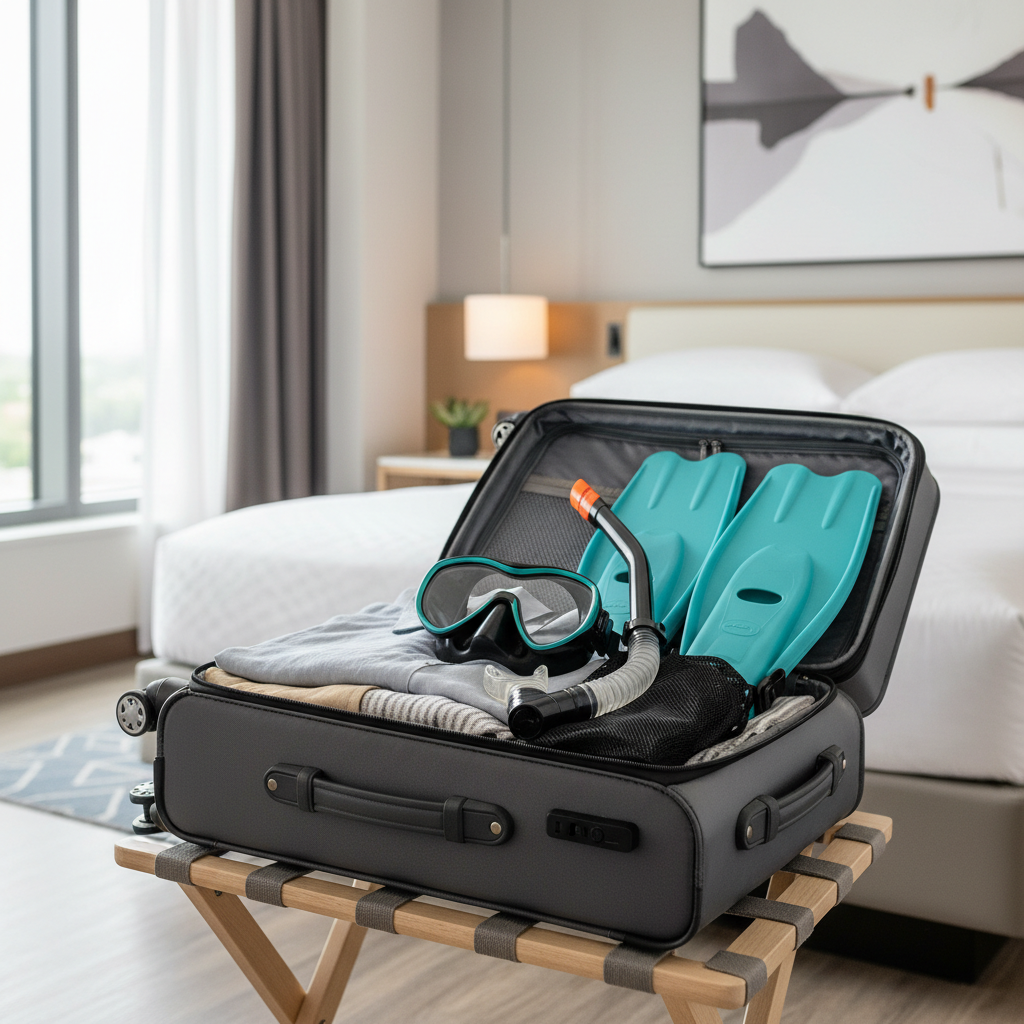
What a “travel set” should really include
Most bundles look similar online, but the travel-friendly ones share a few practical details. You’re not buying more stuff, you’re buying fewer problems.
- Mask: tempered-glass lens, soft silicone skirt, and a strap buckle you can adjust one-handed.
- Snorkel: a comfortable mouthpiece, a purge valve (makes clearing water easier), and a splash guard or semi-dry top for choppy days.
- Fins: compact “travel fins” or adjustable open-heel fins; full-size long blades swim great but punish luggage space.
- Bag: mesh or ventilated bag so gear dries between sessions, which matters in humid coastal hotels.
- Spare parts: at least one extra snorkel keeper or strap retainer if the set includes them, tiny parts go missing fast.
One more thing people forget: prescription needs. If you wear glasses, plan ahead for prescription lenses or a mask compatible with optical inserts, because “I’ll just squint” gets old fast.
Why travel snorkeling gear often disappoints (and how to avoid it)
Most complaints come down to fit, fogging, and unrealistic expectations about “one size fits all.” Travel adds time pressure, so you notice every flaw.
Common failure points
- Leak around the nose or cheek: often caused by a stiff skirt, facial hair, or a strap worn too tight.
- Fogging: usually from new-lens residue, sunscreen transfer, or a mask that sits too close to your face.
- Jaw fatigue: a hard mouthpiece or poor snorkel angle makes your bite do extra work.
- Fins cramp your feet: wrong pocket shape, wrong sizing for your sock/bootie plan, or straps that slip.
- Cheap “dry top” hype: even good semi-dry designs can let some water in during waves or dives, so set expectations.
According to NOAA, ocean conditions can change quickly and swimmers should pay attention to local hazards and advisories, which is a good reminder that comfort and visibility matter for safety, not just enjoyment.
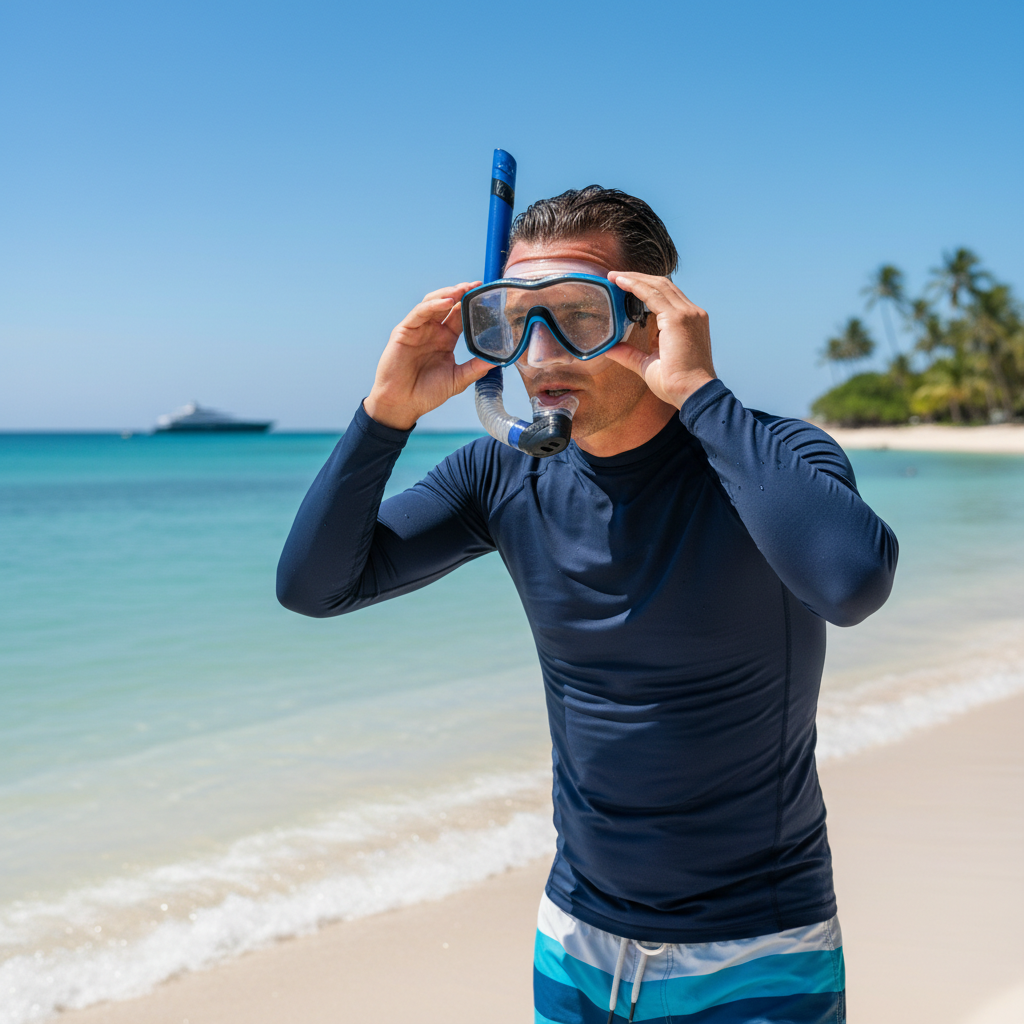
Quick self-check: are you the “travel set” buyer this is meant for?
Not everyone needs the same setup. Before you buy, be honest about your trip style, it saves money and frustration.
- You want to snorkel 2–6 times on one trip and don’t want to rely on rentals.
- You’ll be packing in a carry-on, or you just hate bulky gear.
- You care more about easy comfort than freedive performance.
- You expect mixed conditions: calm coves one day, boat wake or wind the next.
- You’ve had a leaky mask before and you want predictable fit.
If you’re planning deeper dives, strong currents, or long ocean swims, you may want to build your kit piece-by-piece rather than buying a bundle, and it may be worth asking a local dive shop for guidance.
How to choose a snorkel mask travel set that fits and packs well
This is where most people get stuck: online listings talk about features, but your vacation depends on two boring things, seal and packability.
Mask: prioritize seal over “wide view” marketing
- Do the suction test: place the mask on your face without the strap, inhale gently through your nose, it should stay put for a moment.
- Check nose pocket space: you should be able to pinch your nose easily, especially if you plan to dive down a little.
- Look for tempered glass: it’s the norm for quality masks and tends to resist scratches better than plastic.
Snorkel: comfort beats “fully dry” promises
- A soft silicone mouthpiece reduces jaw tension during long floats.
- A purge valve is helpful for beginners, it won’t prevent water entry, but it makes clearing easier.
- Choose a snorkel angle that sits naturally along your face, awkward angles tug the mask and break the seal.
Fins: decide your travel trade-off
- Short travel fins: easier to pack, fine for casual snorkeling, less power in current.
- Open-heel adjustable fins: good if you wear booties or share gear, slightly bulkier.
- Full-foot fins: compact and simple, but sizing is less forgiving and hot sand can feel brutal.
Comparison table: what to look for at a glance
If you’re scrolling product pages, this is the quick filter that keeps you away from “looks nice, feels awful.”
| Component | Travel-friendly choice | Watch out for |
|---|---|---|
| Mask lens | Tempered glass, low-profile frame | Unclear lens material, bulky frame that presses your face |
| Mask skirt | Soft silicone, multiple sizes | Very stiff skirt, “one size fits all” bundles |
| Snorkel top | Semi-dry splash guard | Overpromised “100% dry” claims in rough water |
| Mouthpiece | Soft silicone, replaceable | Hard bite tabs, odd angle causing jaw fatigue |
| Fins | Short blades or adjustable open-heel | Long blades that don’t fit luggage, confusing sizing |
| Bag | Ventilated mesh with drain | Sealed pouch that traps moisture and odor |
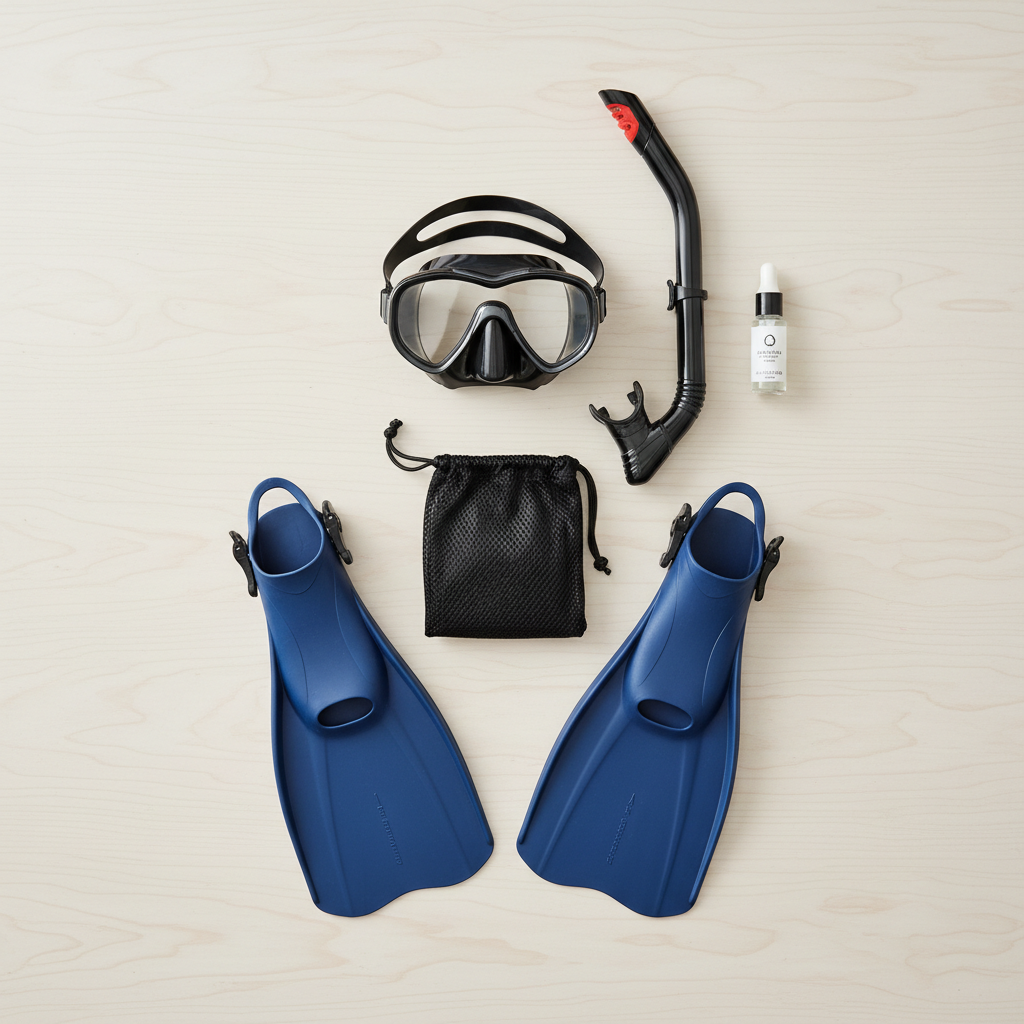
Practical prep: test at home so your first snorkel day doesn’t become gear day
A snorkel mask travel set should feel “boringly fine” before you fly. This is the five-minute routine that prevents most vacation drama.
At-home checklist
- Fit test the mask with dry skin, then again after applying a tiny bit of sunscreen to your cheeks, some formulas can affect grip.
- Defog prep: new masks often have manufacturing residue; follow the manufacturer’s cleaning guidance, then do a sink test for fogging.
- Snorkel comfort: bite gently and breathe through the tube for a minute, if your jaw feels tense, it won’t improve in the ocean.
- Fin sizing: try them with the same socks or booties you’ll use on the trip, if any.
- Pack test: put everything in the bag, then in your suitcase, confirm it fits without crushing the mask.
According to the CDC, recreational water activities carry health risks and swimmers should take steps to reduce them, which generally means keeping gear clean, avoiding swallowing water, and skipping the ocean if you feel unwell.
On-the-water tips: comfort, safety, and “actually seeing stuff”
Once you’re on site, small habits make the difference between a relaxed float and a constant stop-and-fix cycle.
- Don’t overtighten the mask, a gentle seal works better than pressure, and tight straps can increase leaks.
- Rinse with fresh water after each session if you can, salt crystals can irritate skin and scratch lenses when you rub them.
- Enter the water with your mask held in place if waves exist, a quick splash can shift the skirt and start a leak pattern.
- Use fins deliberately, slow kicks keep you stable and reduce accidental contact with reefs or rocks.
- Know your limits, if conditions look rough or currents feel strong, staying close to shore or choosing a guided snorkel often makes more sense.
If you have asthma, ear issues, or any medical condition that could affect breathing or pressure equalization, it’s smart to check with a healthcare professional before snorkeling, especially on remote trips.
Key takeaways before you buy
- Fit beats features, a leak-free mask is the whole game.
- Travel fins are a trade-off, choose packability for calm water vacations, choose power if you expect current.
- Test at home so you’re not troubleshooting on the beach.
- Bring a ventilated bag, drying matters more than people think.
If you’re picking one upgrade inside a bundle, make it the mask, because a great snorkel and fins can’t save a poor seal.
Conclusion: make your trip about the water, not the gear
A good snorkel mask travel set is the one you forget about after five minutes, it seals comfortably, stays clear enough to enjoy the view, and fits your luggage without a fight.
Action step: pick two or three sets that offer multiple mask sizes, then do the suction test and a quick pack test before your return window closes, it’s the easiest way to land on a kit you’ll actually travel with.
FAQ
What size snorkel mask travel set should I buy if I’m between sizes?
If the brand offers sizing guidance by face measurements, follow that over “adult standard.” When in doubt, prioritize a softer skirt and an easy-to-adjust strap, those usually tolerate small sizing differences better.
Do I need a dry snorkel for vacation snorkeling?
Many travelers do fine with a semi-dry snorkel. Fully dry designs can help with surface splashes, but they’re not magic in waves, and comfort plus easy clearing often matters more.
How do I stop my mask from fogging on day one?
Clean the lens the way the manufacturer recommends, then use a proper anti-fog solution or a small amount of baby shampoo diluted with water. Also keep sunscreen and oily residue off the inner lens surface.
Are short travel fins actually useful?
For calm bays and casual sightseeing, yes. If your destination is known for current or you plan longer swims, you may prefer a more powerful fin, even if it’s bulkier.
Is it okay to share a snorkel mouthpiece with family?
Many sets are shared on trips, but it’s more hygienic to have separate mouthpieces if the snorkel allows swapping. At minimum, rinse thoroughly and consider a disinfecting routine that matches manufacturer guidance.
Can I bring a snorkel set in a carry-on?
Usually the challenge is space, not rules. Compact fins and a low-profile mask box help a lot, and keeping the mask protected prevents crushed skirts that lead to leaks later.
When should I consider a guided snorkel instead of going solo?
If visibility is poor, surf is up, currents feel unpredictable, or you’re not a confident swimmer, guided options can reduce risk. Local operators also know entry points that tourists often miss.
If you’re trying to build a simple kit for Hawaii, Florida, Mexico, or a cruise stop and you want a more “packable but not flimsy” direction, start by listing your luggage limits and where you’ll snorkel, then match the mask size and fin type to that reality, it’s usually the fastest path to a set you’ll reuse.