
Lake travel destinations are one of the easiest ways to slow down without feeling like you “did nothing” all trip, you still get fresh air, gentle movement, and that calm water view that tends to reset your brain faster than a busy city itinerary.
If you’re craving real rest, the big decision is not which lake looks prettiest on Instagram, it’s which kind of quiet you actually want, a walkable town with coffee and bookstores, a remote shoreline with no signal, or a family-friendly beach where you can relax because everything is simple.
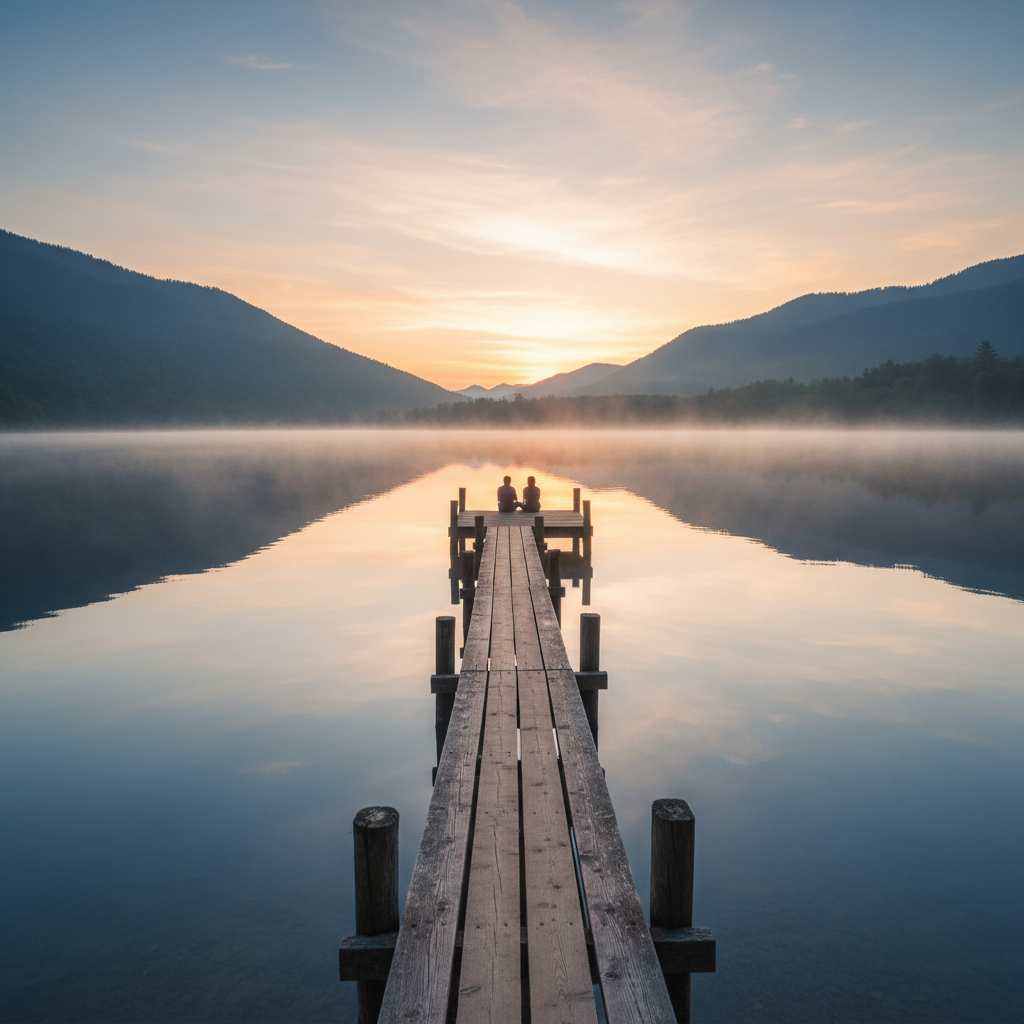
This guide focuses on places and planning choices that usually make a lake trip feel restorative, not rushed, and it includes a quick self-check, a comparison table, and a few practical “do this, skip that” suggestions.
What makes a lake trip genuinely relaxing (not just “pretty”)
Some lakes are beautiful but stressful, think long lines for rentals, parking wars, and loud coves where boats circle all day. A relaxing lake getaway tends to share a few traits that matter more than the postcard view.
- Soundscape: fewer motorboats, or at least quiet zones and early-hour calm.
- Simple access: short walk from lodging to water, or easy public shoreline access.
- Low-friction days: a couple easy activities nearby, but no pressure to “do it all.”
- Comfort basics: shade, decent bathrooms, a grocery store within a reasonable drive.
- Weather fit: shoulder seasons often feel calmer if you can handle cooler mornings.
According to U.S. National Park Service (NPS)... spending time outdoors can support mental wellbeing, but the key is choosing a setting that reduces friction, if every step involves crowds or logistics, the “nature benefit” gets diluted.
Quick self-check: which kind of lake traveler are you right now?
Before picking a point on the map, check what you actually need, many people book a “peaceful” place and then recreate their normal pace at a prettier location.
- I want zero decisions: you’ll do better with a small resort, lodge, or walkable lake town.
- I need real quiet: look for non-motorized lakes, protected coves, or weekday stays.
- I’m recovering from burnout: prioritize comfortable lodging, short scenic walks, easy meals.
- I’m traveling with kids: sandy entry beaches, calm swim zones, predictable facilities.
- I want gentle adventure: paddling, easy hikes, scenic drives, but not a “summit” agenda.
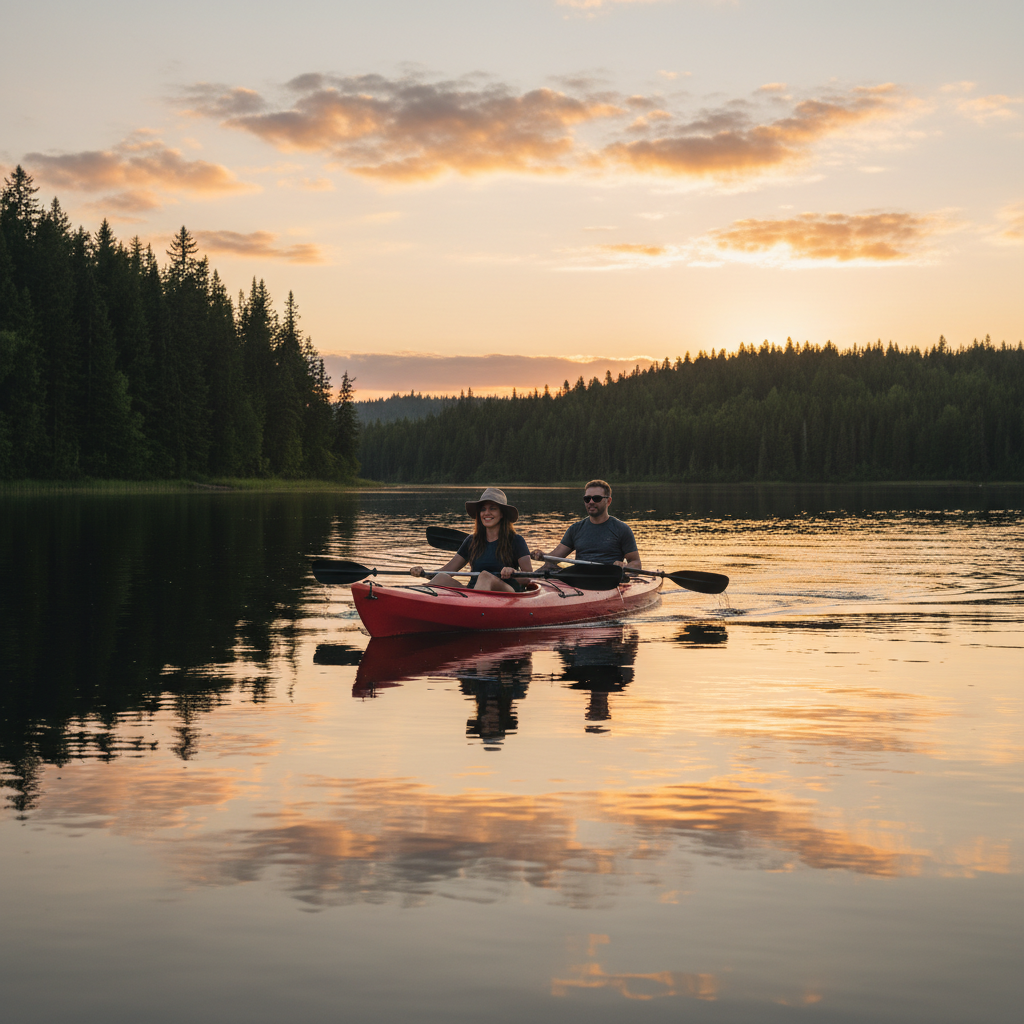
If you match more than one, pick the “energy level” first, then the region. Your future self usually thanks you for choosing a lake that fits your pace, even if it’s less famous.
Peaceful lake travel destinations in the U.S. to consider
These options are popular for a reason, but they still can feel calm if you time them well, and a few are quieter by nature. Think of this as a starting shortlist, not a definitive ranking.
Lake Crescent, Washington (Olympic Peninsula)
Clear water, deep forest, and a slower Olympic Peninsula rhythm. If you like cool air, short hikes, and “sit by the water” afternoons, this one fits. Summer weekends can get busy, so weekday mornings tend to be the sweet spot.
Lake Tahoe (choose quieter corners)
Tahoe can be intense in peak season, but it also offers calm if you pick less central areas, go early, and build in non-negotiable downtime. For a restorative trip, focus on a few scenic stops and avoid stacking long drives each day.
Lake George, New York (shoulder-season friendly)
Classic Northeast lake-town energy with a lot of ways to keep it mellow, lakeside walks, easy viewpoints, and relaxed boat time. The calm version often happens in late spring or early fall when crowds thin out.
Crater Lake, Oregon (a different kind of lake calm)
This is more awe than lounging, but it can still be deeply restful if you treat it like a slow scenic experience rather than a checklist. High elevation means weather shifts, pack layers and keep plans flexible.
Lake Champlain, Vermont (quiet + culture balance)
Great for travelers who want peaceful water views plus small-city comforts nearby. You can have a mellow morning by the lake and still find a good meal without driving an hour.
Key point: for lake travel destinations with true downtime, your timing often matters as much as the place, midweek stays, earlier starts, and shoulder seasons can change the entire feel.
Comparison table: how to pick the right lake experience
Use this table to narrow the vibe you want before you get lost in options.
| Relaxation style | What it feels like | Best for | Watch-outs |
|---|---|---|---|
| Walkable lake town | Coffee, bookstores, sunsets, easy strolls | Decision fatigue, short trips | Can get loud on weekends |
| Remote cabin shoreline | Quiet mornings, slow cooking, stargazing | Deep reset, couples, solo trips | Fewer services, longer drives |
| National park lake | Scenic overlooks, short hikes, structured access | Nature immersion with clear rules | Parking and permits can matter |
| Family beach lake | Easy swim time, predictable routines | Kids, multi-gen groups | Noise and crowds at midday |
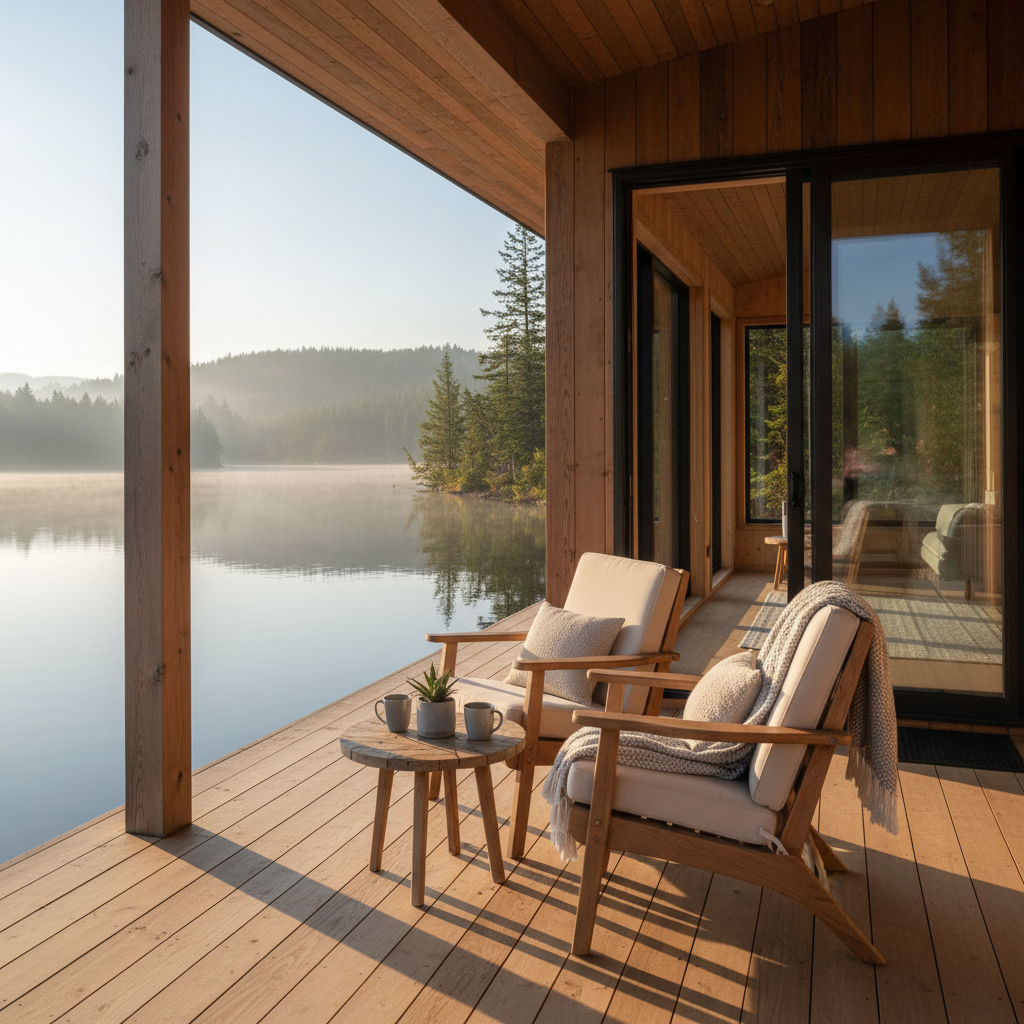
If you’re on the fence, pick the “watch-outs” you’re least willing to tolerate, for many people that’s noise, difficult parking, or long daily drives.
Practical planning that protects your downtime
Relaxation is fragile, one overpacked day can spill into the next. These are small choices that tend to keep a lake trip calm.
Build a “two-thing day”
- One water activity, like a short paddle, swim, or shoreline walk.
- One off-water comfort, like a simple meal out, a scenic drive, or a nap with a book.
This sounds basic, but it prevents the common trap of chasing every viewpoint and ending up tired.
Plan around the quiet hours
- Do “public” spots early, then retreat when crowds show up.
- If boating noise stresses you out, look for coves, no-wake zones, or lakes that limit motorboats.
Choose lodging that reduces daily friction
- Distance to water matters more than room upgrades.
- Kitchenette can help if restaurant waits drain you.
- Cell signal and Wi‑Fi are not good or bad, they’re a choice, be honest about what you need.
Common mistakes that sabotage a “peaceful lake” trip
A few patterns show up again and again, and they’re fixable.
- Over-scheduling hikes: if you want relaxation, pick one longer walk and keep the rest short and scenic.
- Ignoring wind and afternoon chop: paddling often feels safest and calmest early; conditions vary, so check local guidance.
- Booking the busiest cove: the cheapest waterfront option can sit next to high-traffic boat areas.
- Assuming “remote” equals “easy”: remote stays can mean limited groceries, fewer dining options, and longer drives.
According to U.S. Forest Service (USFS)... water and weather conditions can change quickly on public lands, so a relaxed plan still benefits from basic safety prep, like checking forecasts and knowing local rules.
Safety and wellbeing: keep it calm, keep it smart
Most lake trips are straightforward, but water adds real risk. If you have health concerns, travel anxiety, or you’re new to paddling, it’s reasonable to be conservative and ask for local guidance.
- Life jackets: wear one for paddling, even on calm water; if you’re unsure which type fits, ask an outfitter.
- Sun and heat: hydration and shade matter more than people expect near reflective water.
- Altitude and cold water: some lakes stay cold; if you plan to swim, start shallow and slow.
- Wildlife and food storage: rules vary, especially near parks; follow posted guidance.
If you’re managing a medical condition or taking medications that affect heat tolerance or dizziness, it’s smart to consult a clinician before strenuous hikes or long sun exposure, especially in remote areas.
Key takeaways for choosing the right lake getaway
- Pick the pace first, then choose among lake travel destinations that match it.
- Timing can be the difference between calm and chaotic, midweek and shoulder season often help.
- Design days with breathing room, a “two-thing day” usually feels better than a packed itinerary.
- Comfort basics and simple access matter, they keep you from spending your trip troubleshooting.
Conclusion: a peaceful lake trip is mostly about choices you can control
The lake is the backdrop, but the relaxation comes from how you structure the trip, fewer transitions, more time near the water, and realistic expectations about crowds and weather. If you pick one of these lake travel destinations and commit to a slower pace, you’ll likely come home feeling like you actually took time off.
Action idea for today: choose your “relaxation style” from the table, then book lodging that makes the water easy to reach, it’s the simplest upgrade you can buy for your mood.
FAQ
What are the best lake travel destinations for quiet, not nightlife?
Look for lakes with limited motorboat access, protected shorelines, or nearby public lands. Even popular areas can feel quiet if you stay outside the main town center and plan early mornings by the water.
How many days do you need for a relaxing lake trip?
Many people feel the shift around day two, when you stop thinking about logistics. A long weekend can work, but 4–5 days gives more room for slow mornings without feeling like you’re “wasting” time.
When is the best time to visit lake destinations to avoid crowds?
Midweek is often calmer than weekends, and shoulder seasons can be noticeably quieter. Weather varies by region, so check typical temperatures and local conditions before you commit.
Are lake vacations good for stress relief?
They can be, especially when the trip reduces decision fatigue and screen time. If you find travel itself stressful, choosing a simple, walkable setup can matter more than the specific lake.
How do I choose between a cabin, hotel, or campground?
Cabins tend to offer privacy and routine, hotels reduce chores, campgrounds can be peaceful but add setup and weather dependence. Pick the option that supports how you rest, not the one you think you “should” enjoy.
What should I pack for a relaxing lake getaway?
Think comfort and flexibility: layers, sun protection, water shoes if shorelines are rocky, and one “slow time” item like a book or journal. If you plan to paddle, pack quick-dry clothing and a dry bag.
Is it safe to swim in lakes?
Often yes, but conditions vary by lake and season. Pay attention to posted advisories, water temperature, and local guidance, and if you have health concerns, consider asking a professional for personalized advice.
If you want an easier way to plan
If you’re trying to pick among lake travel destinations but keep getting stuck on trade-offs, crowd levels versus convenience, remote versus comfortable, it can help to plan around your “non-negotiables” first and build the itinerary from there, you’ll spend less time researching and more time actually resting.