
ocean cruise tips first timers usually come down to two things: knowing what you can control (planning, packing, timing) and not overthinking what you can’t (weather, seas, crowds). If this is your first ocean cruise, the goal isn’t to “do everything,” it’s to avoid the handful of rookie mistakes that make people swear off cruising.
A cruise is a weird hybrid, part hotel, part transportation, part theme park, with its own rules, routines, and small print. That’s why first-timers often feel great on day one and slightly overwhelmed by day two, when the schedule, dining, and shore plans collide.
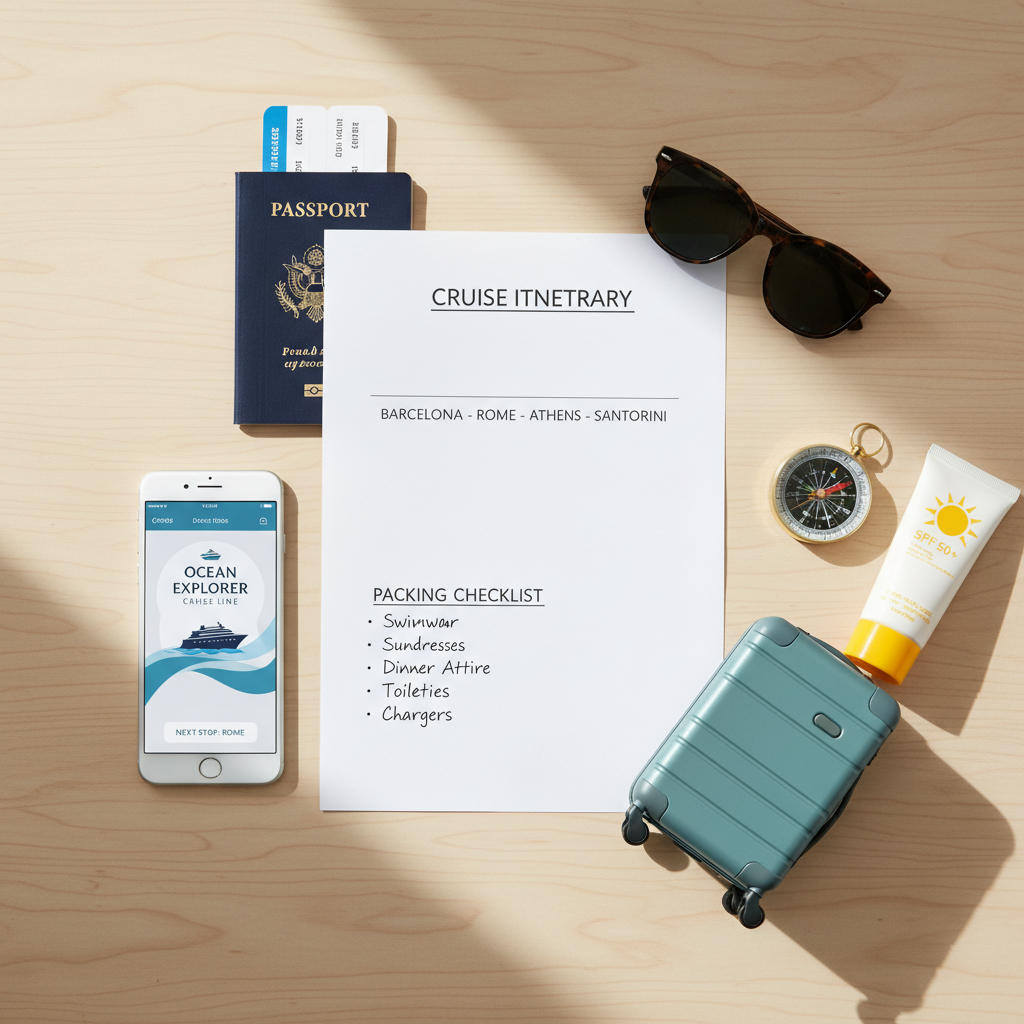
Below you’ll get practical guidance you can actually use: how to pick the right cabin, what to pack (and what not to), how money works onboard, and how to plan ports without turning your vacation into logistics homework. I’ll also point out the places where the “internet advice” tends to be too absolute, because cruising is full of it.
Choose the right cruise for your first time (it matters more than the ship)
Many first-timer disappointments come from picking the wrong itinerary or vibe, not from cruising itself. A three-night party sailing and a seven-night family Caribbean itinerary can feel like two different products.
- Itinerary length: 5–7 nights often hits the sweet spot, long enough to relax, short enough that small annoyances don’t pile up.
- Sea days vs. port days: If you worry about motion or boredom, balance matters. Too many sea days can feel slow; too many ports can feel like constant early alarms.
- Port intensity: Some ports reward DIY exploring, others are easier with a guided tour. Start easy if you dislike uncertainty.
- Ship style: Big ships mean more entertainment and dining variety, smaller ships can feel calmer with fewer lines.
According to Cruise Lines International Association (CLIA)... cruising continues to attract a wide range of travelers, which is a polite way of saying: you’ll be happiest when your cruise matches your travel personality, not your “deal.”
Book smarter: cabin location, dining, and travel insurance basics
Cabin choice is where first-timers overspend or undershoot. You don’t need perfection, but you do want fewer surprises at 2 a.m.
Cabin tips that actually change your experience
- Midship, lower decks: Often feels steadier if you’re sensitive to motion, though seas can still be rough depending on conditions.
- Avoid high-traffic zones: Under the pool deck can mean early chair-dragging noise; near elevators can mean chatter late at night.
- Balcony vs. oceanview: Balconies are wonderful on scenic routes, but if you’ll spend most of your time out and about, an oceanview may be plenty.
- Guarantee cabins: Cheaper, but you surrender location control. Fine if you’re flexible, risky if you’re noise-sensitive.
Dining choices: pick predictability over hype
Set dining times can simplify your days, while flexible dining can work better if your group keeps shifting plans. If you like structure, choose structure. It sounds obvious, but this is one of the most common “why is this stressful?” moments on day two.
Insurance: not glamorous, sometimes useful
Travel insurance can help with trip interruption, medical care, and evacuation, but coverage varies a lot. Read what’s excluded, check your existing credit card benefits, and if you have health concerns, it’s worth discussing coverage details with a licensed insurance professional.
Pack like a cruiser: small items that prevent big annoyances
Overpacking is common, but underpacking the right “tiny things” is what creates daily friction. These ocean cruise tips first timers focus on comfort and convenience, not “influencer packing lists.”
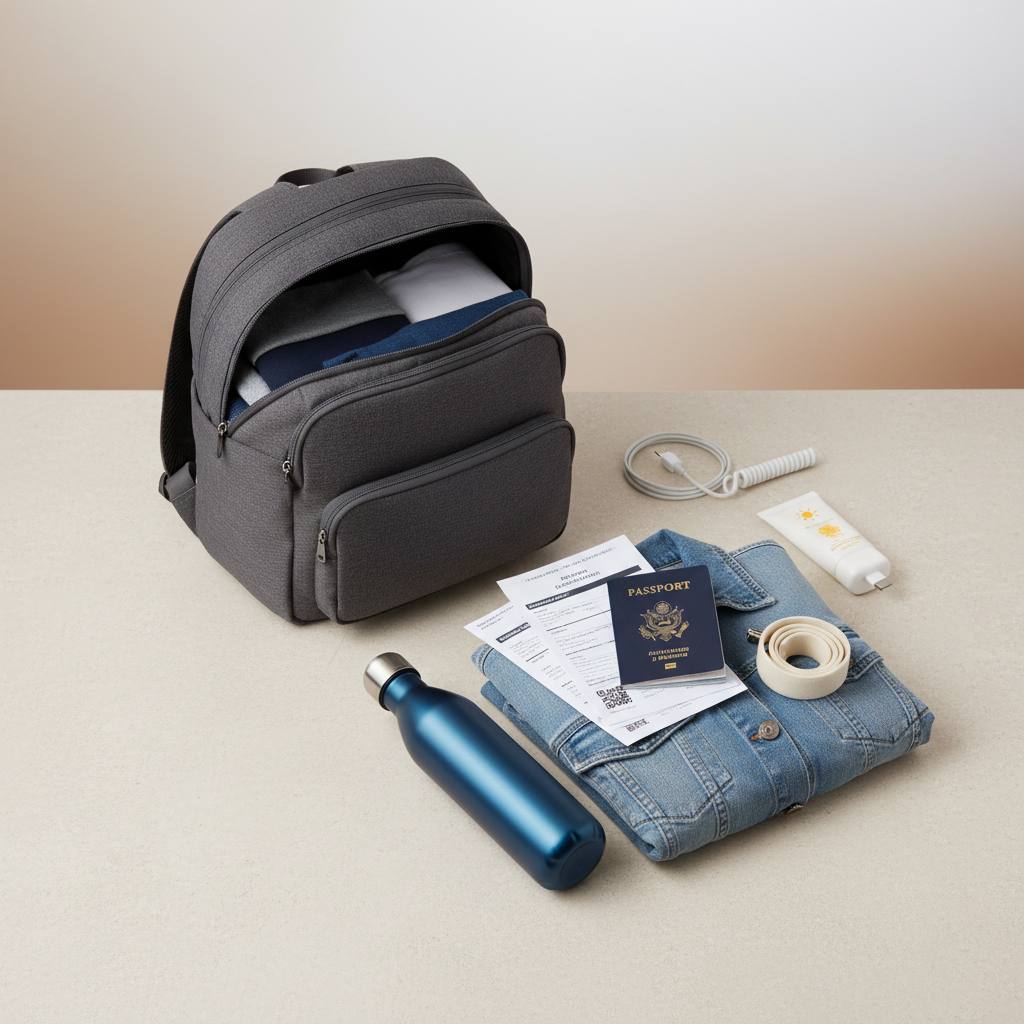
Carry-on for embarkation day: Your checked bag may arrive later than you expect, so keep a small kit with what you’d be annoyed to miss for half a day.
- Passport/ID, boarding docs, medication, and a backup outfit
- Swimsuit (if you want pool time immediately), sunscreen, sunglasses
- Phone charger and a small day bag for wandering the ship
Cabin comfort: Cabins run compact, and storage feels tight fast.
- Magnetic hooks (many cabin walls are metal), a small nightlight, wrinkle-release spray
- Refillable bottle and packets you like (electrolytes, tea), if allowed by your line
What not to pack: Many lines restrict items like irons, candles, and certain power strips. Check your cruise line’s prohibited list before you zip the suitcase, because confiscation is a mood killer.
Money onboard: gratuities, packages, and the “surprise bill” problem
The most common first-timer shock is the final account statement. Not because cruising is “a scam,” but because the pricing model splits costs into base fare and onboard spending.
Quick comparison table: what usually costs extra
| Item | Often Included | Often Extra | Tip for First-Timers |
|---|---|---|---|
| Dining | Main dining room, buffet | Specialty restaurants | Book 1 specialty night, not 5 |
| Drinks | Basic water/tea/coffee (varies) | Soda, alcohol, specialty coffee | Estimate your daily habit before buying a package |
| Gratuities | Sometimes bundled | Often daily auto-gratuities | Decide upfront if you’ll prepay |
| Wi‑Fi | Rarely | Most plans | Buy only what you need (messaging vs streaming) |
| Excursions | No | Yes | Mix one “must-do” tour with DIY time |
Reality check on drink packages: They can be worth it, but only if you’ll consistently use them. If you’re a “one cocktail and I’m done” traveler, paying per drink often feels better.
Set a spending rule: Decide your onboard budget per day, then monitor the cruise app account balance. This simple habit prevents the “how did we spend that?” moment.
Embarkation day and the first 24 hours: make it smooth, not heroic
If you do one thing right, do this: don’t turn day one into a sprint. Crowds happen, lines happen, and your job is to stay calm while everyone else tries to speed-run vacation.
- Arrive with buffer: Flights and traffic can slip, and the ship will not wait for individual late arrivals.
- Do the muster drill early: The safety briefing requirement varies by line, but knocking it out frees your evening.
- Make two reservations only: One specialty dinner, one show. Leave space to learn the ship rhythm.
- Walk the ship once: Find your dining venues, quiet areas, and a “go-to” spot when you want out of the crowd.
According to the U.S. Coast Guard... cruise ships operating from U.S. ports must meet specific safety standards and drills are part of the safety culture. Take it seriously, then move on with your vacation.
Port days: how to plan excursions without missing the ship
Ports are where first-timers swing between two extremes: booking everything through the cruise line (expensive), or winging it with zero timing plan (risky). A middle path works for most people.
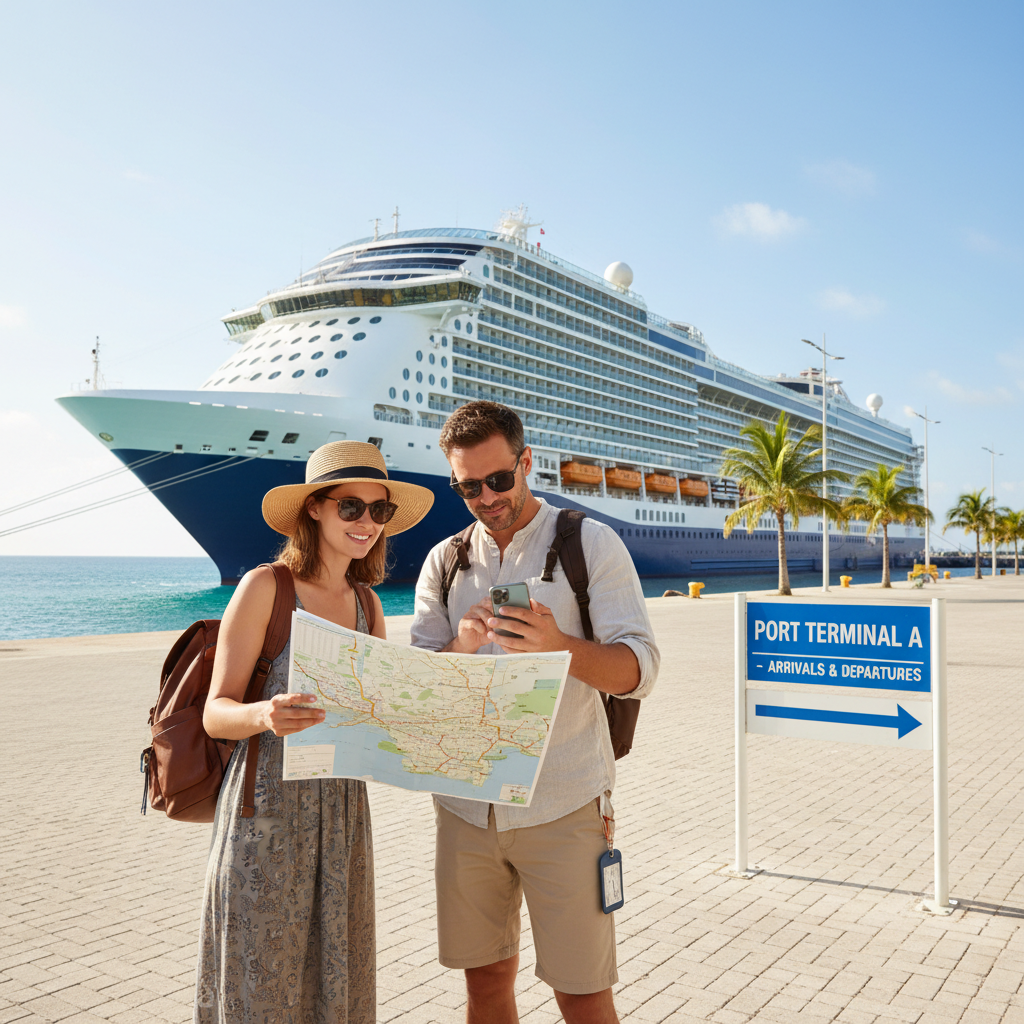
A simple port-day decision rule
- Book ship-sponsored when the activity runs far from port, involves multiple transfers, or timing feels tight.
- Go independent when you’re staying close, using reputable local operators, and you’re comfortable managing time.
Always plan backward from “all aboard” time: Aim to be back at the pier at least 60–90 minutes early, more if the port involves a tender boat, traffic-prone roads, or unpredictable lines.
According to CDC... travelers should review health notices and destination guidance as conditions can change, and if you have specific health risks it’s sensible to consult a clinician before travel.
Self-check: which first-timer profile are you?
These quick questions help you pick the right version of advice, because ocean cruise tips first timers aren’t one-size-fits-all.
- Motion-sensitive? Choose a midship cabin, pack motion remedies, and avoid reading in bed on day one.
- Food-focused? Prioritize dining times and 1–2 specialty meals, and don’t skip the main dining room on formal-ish nights.
- Introvert who needs quiet? Find adult-only zones or quieter decks early, and schedule downtime like it’s an activity.
- Traveling with kids? Learn kids club hours on day one, and align dinner plans with the times your group actually functions.
- “I need Wi‑Fi” traveler? Test the cheapest plan first, then upgrade only if you truly need more.
Common mistakes to avoid (and what to do instead)
A few patterns show up again and again, and fixing them makes cruising feel effortless.
- Mistake: planning every hour. Do instead: pick one anchor activity per day, then free time around it.
- Mistake: skipping sunscreen and hydration on sea days. Do instead: treat the ship like a beach day, even with a breeze.
- Mistake: buying packages because you “might” use them. Do instead: do a realistic day-of-life estimate.
- Mistake: arriving to shows late and blaming the ship. Do instead: show up early, or choose smaller venues and off-peak times.
- Mistake: forgetting time zones. Do instead: keep your phone on “ship time” if the line recommends it.
Key takeaways: pick a cruise that matches your style, protect embarkation day, budget onboard spending intentionally, and build port-day time buffers that remove panic from the equation.
Practical next steps: a 10-minute pre-cruise plan
If you want a simple checklist that doesn’t spiral, do these before you leave home.
- Confirm documents, travel to port plan, and arrival window
- Download the cruise line app, enable notifications, and add a payment method
- Save your “must-do” reservations, ignore the rest until onboard
- Pack a carry-on kit for the first afternoon
- Decide your daily onboard budget and how you’ll track it
Once that’s done, you can stop researching and start looking forward to it, which is the point.
Conclusion: your first cruise should feel simple
Most first cruises go sideways for predictable reasons, not bad luck. Keep your plans light, your timing conservative, and your spending intentional, and the trip usually feels far more relaxing than the group chat makes it sound.
If you’re choosing one action today, pick your cabin location with intention and build a realistic port-day buffer, those two decisions quietly prevent a lot of stress.
FAQ
- What are the most important ocean cruise tips for first timers?
Focus on the basics that reduce friction: a sensible cabin location, a carry-on for embarkation day, and a plan for port-day timing so you’re not rushing back to the ship. - Do I need a drink package on my first cruise?
Not always. If your daily habit is a couple of paid drinks, pay-as-you-go can feel better; packages tend to work when you’ll use them consistently across multiple days. - How early should I get back to the ship on port days?
Aim for 60–90 minutes before all-aboard, and add more buffer if you’re far from port or using tenders, traffic and lines can be unpredictable. - Are cruise excursions worth it for first-timers?
They can be, especially when logistics are complex. Many people mix one ship-sponsored “big day” with a simpler DIY port to balance cost and confidence. - What should I pack in my carry-on for embarkation day?
Documents, medications, a phone charger, and one change of clothes. Add a swimsuit and sunscreen if you want to enjoy the pool before your checked bag arrives. - How do gratuities work on cruises?
Many lines add daily gratuities to your onboard account, sometimes with an option to prepay. Check your booking details early so the final bill doesn’t surprise you. - Is seasickness common on ocean cruises?
It varies by person, route, and weather. If you’re concerned, choose a steadier cabin area and consider motion remedies, and if you have medical questions it’s smart to consult a healthcare professional.
If you’re planning your first sailing and want a more tailored approach, it can help to map your priorities first, budget, food, quiet time, ports, then pick a cruise and packing plan that supports that, rather than copying someone else’s checklist.