
How to gain confidence solo traveling usually comes down to one thing: shrinking the unknowns until your brain stops treating every moment as a threat. You don’t need a new personality, you need a system that makes decisions easier when you’re tired, hungry, or overstimulated.
Solo travel can feel intense because there’s no “backup adult” in the room. Every choice, from where to eat to what to do if your phone dies, lands on you. The good news is confidence is rarely a trait you’re born with, it’s often a byproduct of preparation and a few repeatable habits.
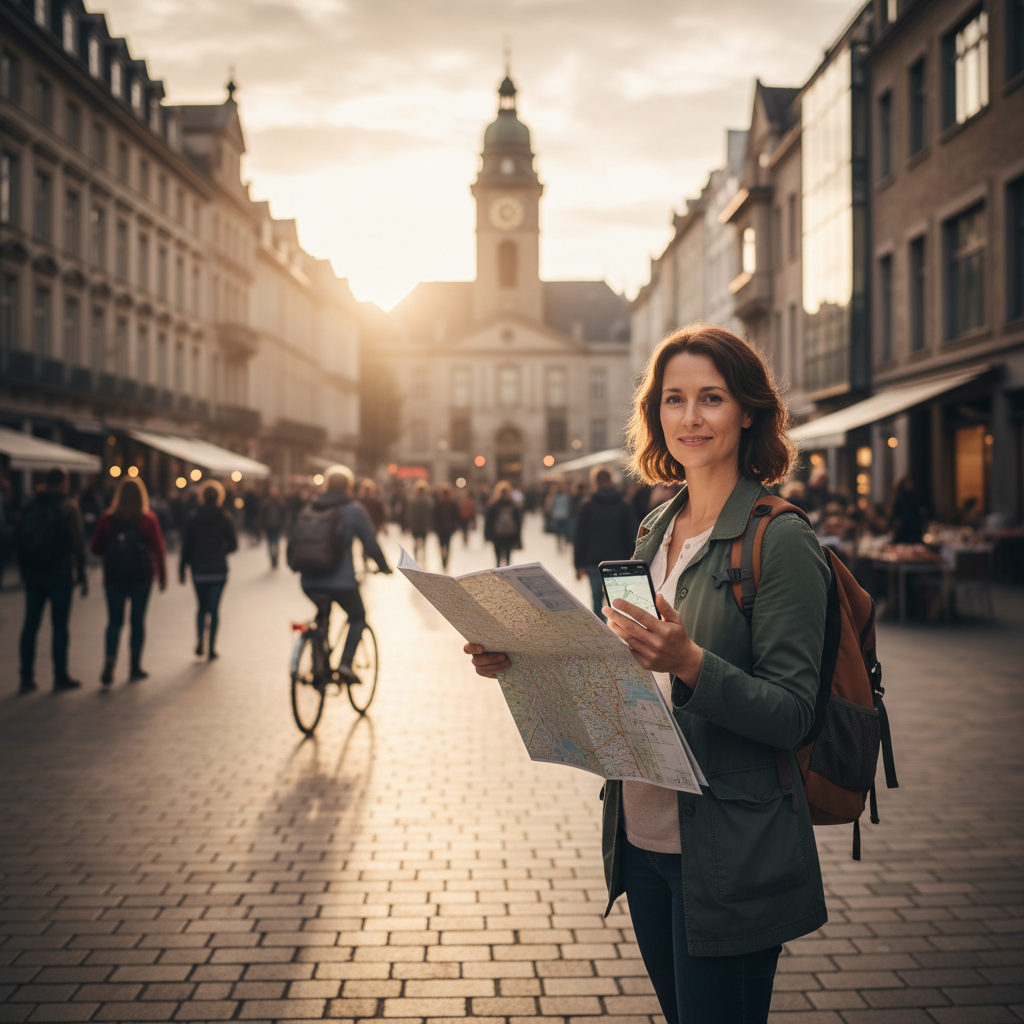
This guide focuses on the practical side: what to do before you leave, how to handle the first 48 hours, and how to rebuild momentum after a shaky moment. I’ll also flag common “confidence traps” that make people feel worse even when they’re doing a lot.
What confidence really means when you travel alone
Travel confidence isn’t loud or fearless, it’s quiet competence. It’s the sense that if something minor goes wrong, you can still move forward without spiraling.
In real trips, confidence usually looks like this:
- You can make small decisions fast (food, transit, timing) without overthinking.
- You recover quickly after a mistake, like taking the wrong train.
- You trust your discomfort signals and can leave a place without needing to justify it.
That’s why learning how to gain confidence solo traveling is less about “being brave” and more about building repeatable routines that reduce decision fatigue.
Why solo travel feels scary (and why that’s normal)
Most anxiety around solo travel comes from predictable sources, not personal weakness. Once you name the category, the fix gets clearer.
- Unfamiliar systems: tickets, transit etiquette, language, payment methods.
- Social visibility: eating alone, standing alone, looking “lost.”
- Safety uncertainty: not knowing which streets feel sketchy at night.
- Identity whiplash: you’re suddenly “the planner, navigator, and problem-solver” all at once.
According to U.S. Department of State travel guidance, basic preparation and situational awareness are key parts of safer travel, which also tends to calm nerves because you feel less at the mercy of surprises.
A quick self-check: what kind of confidence gap do you have?
If you try to fix everything at once, you’ll burn energy and still feel shaky. Pick your main gap and target it.
Confidence gap checklist
- Planning gap: I feel anxious because I don’t know what happens after I land.
- Navigation gap: I worry I’ll get lost, miss trains, or end up somewhere unsafe.
- Social gap: I dread eating alone, tours, small talk, or being judged.
- Safety gap: I’m unsure how to avoid risky situations or what I’d do in an emergency.
- Energy gap: When I’m tired or hungry, I make worse choices and panic faster.
Keep the list honest. Your plan should match the gap, not some idealized version of solo travel.
Pre-trip setup that makes you calmer on day one
You don’t need a minute-by-minute itinerary, but you do need “anchors,” a few fixed points that reduce uncertainty. This is where most people learn how to gain confidence solo traveling faster than expected.
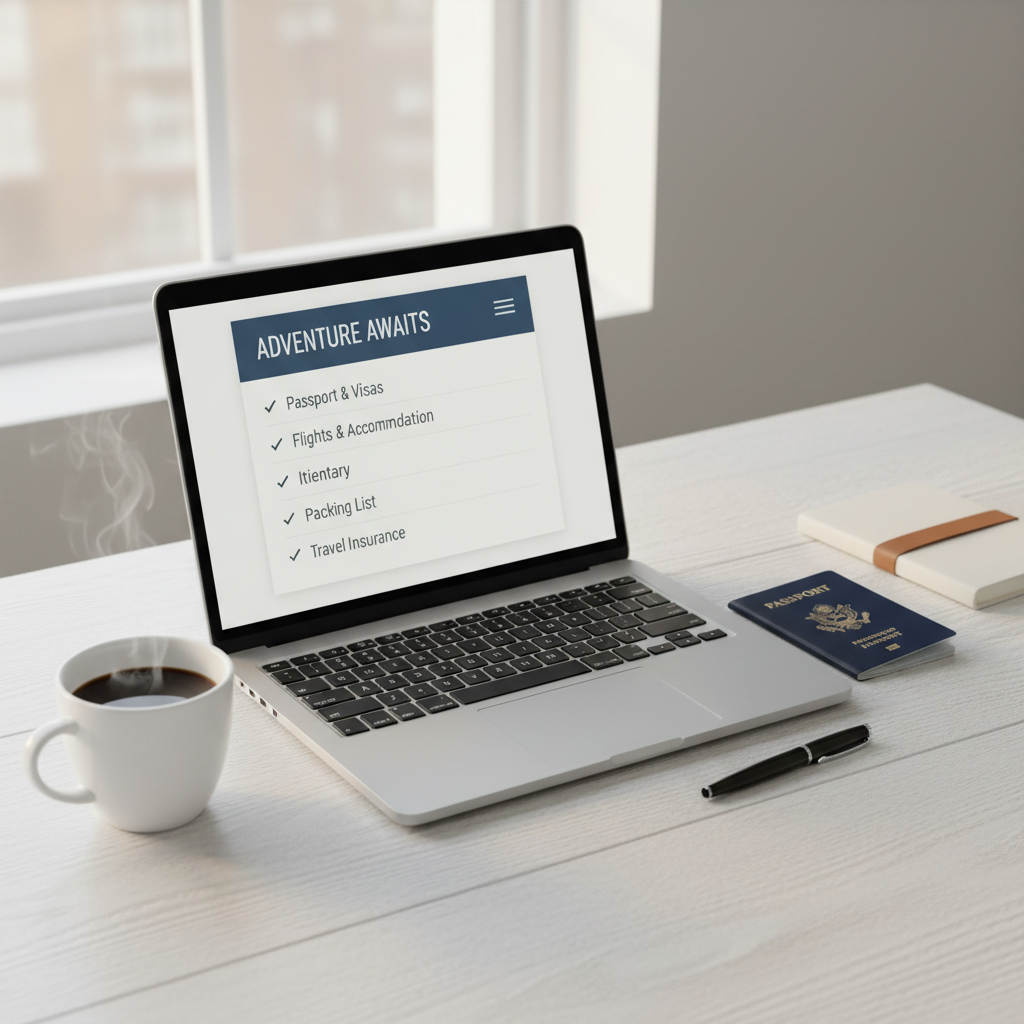
Create your “minimum viable itinerary”
Think of it as a safety net, not a cage.
- Night 1 booked, with check-in instructions saved offline.
- Airport-to-lodging route chosen, plus a backup option.
- Two meals you can default to near your lodging, so hunger doesn’t run the show.
- One simple activity for day one, like a museum or a neighborhood walk.
Set up your phone like a pro
- Download offline maps for the city and key neighborhoods.
- Save your lodging address in notes and as a screenshot.
- Enable location sharing with a trusted person if that feels right for you.
- Carry a power bank, plus a charging cable that actually works.
According to CDC travel guidance, being prepared for common travel issues and knowing where to get help can reduce risk; even when you never need it, that readiness often boosts peace of mind.
Use this simple risk filter (it’s not paranoia)
Before you book or go out at night, ask:
- Would I do this if my phone died right now?
- Would I do this if I twisted an ankle and needed a taxi quickly?
- Do I have a clear way to leave if the vibe changes?
If the answer is “no,” change the plan, not your self-talk.
On-the-ground habits that build confidence fast
Confidence grows from evidence. Give your brain small wins daily and it will stop sounding the alarm so often.
Start with “small controlled challenges”
- Order food in a new place without rehearsing every line.
- Take one short transit ride during daylight before you rely on it at night.
- Ask one local question you can verify, like “Is this the right platform for…?”
These are low-stakes reps. And reps are how you learn how to gain confidence solo traveling without forcing yourself into scary situations too early.
Use the 3-2-1 decision rule
When you feel stuck, limit options so your mind can move.
- 3 options max (restaurant, route, activity)
- 2 minutes to choose
- 1 commitment: once you pick, you stop reopening the decision
This sounds basic, but it prevents the “I’m alone so I must choose perfectly” spiral.
Make your body feel safe first
A lot of travel anxiety is just a stressed nervous system. If you’re shaky, fix the basics before you analyze your feelings.
- Eat something with protein and carbs.
- Drink water, then re-check how you feel.
- Step into a calmer environment: a cafe, hotel lobby, bookstore.
Practical safety planning without killing the vibe
You can be relaxed and cautious at the same time. The goal is fewer “unknown unknowns,” not living on high alert.
Use a simple safety routine
- Arrival check: confirm you can re-enter your lodging, know the nearest late-night transport option.
- Night boundary: pick a reasonable time you’ll be “heading back,” especially early in the trip.
- Money split: keep one backup payment method separate from your wallet.
- Info backup: photos of passport/ID stored securely, plus an offline copy of key numbers.
According to U.S. Department of State resources, knowing local emergency numbers and having document copies can help if items are lost or stolen. If you have specific health risks, it may help to consult a medical professional before international travel.
Where people accidentally lower safety
- Over-sharing real-time location publicly.
- Getting intoxicated while still learning the area.
- Assuming “touristy” always means safe, or “local” always means risky.
If something feels off, you don’t need “proof.” You can just leave.
A simple action plan (with a table you can follow)
If you want structure, use this as a lightweight progression. Adjust based on destination and comfort level.
| Timeframe | What to do | Why it builds confidence |
|---|---|---|
| Before you leave | Book first night, save offline maps, plan airport route + backup | Removes the highest-stress unknowns |
| Day 1 | Do one easy activity, eat near lodging, practice one short transit ride | Creates quick wins without overload |
| Days 2–3 | Try a group tour or class, add one “stretch” activity | Adds social safety and controlled challenge |
| Rest of trip | Loosen the plan, keep safety routine, review what worked | Turns skills into habits you reuse anywhere |
Key takeaways to keep in mind
- Confidence follows clarity, so reduce uncertainty first.
- Small wins beat big leaps, especially in the first 48 hours.
- Your body state matters, hunger and fatigue can mimic fear.
- Safety routines free your brain, they don’t ruin spontaneity.
Common mistakes that slow down your progress
These show up even in experienced travelers, so don’t take them personally.
- Over-planning to avoid anxiety, then feeling trapped by the plan.
- Under-planning and calling it “spontaneous,” then burning out from constant decisions.
- Comparing your trip to someone else’s highlight reel.
- Skipping sleep and expecting yourself to feel confident anyway.
If your confidence dips, it doesn’t mean solo travel “isn’t for you.” It often means you need one or two better defaults.
When to get extra support (and what that can look like)
If anxiety feels persistent or starts affecting your daily life, it may help to talk with a licensed mental health professional. Travel can amplify stress, especially if you have a history of panic attacks, trauma, or chronic health conditions.
Also consider practical support if your destination feels complex:
- A hotel with a 24/7 front desk instead of a remote check-in rental
- A guided day tour for the first morning
- Airport pickup if you arrive late or feel unsure about transit
Needing support isn’t failure, it’s strategy.
Conclusion: confidence comes from reps, not perfect trips
Learning how to gain confidence solo traveling is mostly about stacking small, repeatable choices until your brain trusts you. Pick one confidence gap to work on, set up a few anchors, and give yourself permission to keep the trip simple early on.
If you want an easy next step, choose your “minimum viable itinerary” today, then plan one small controlled challenge for day one, that combo tends to change how the whole trip feels.