
How to start traveling for beginners usually comes down to one problem: you want the freedom and fun, but the planning feels like a lot and you’re worried you’ll waste money or make a rookie mistake.
This guide keeps it practical, a step-by-step approach to picking your first trip, setting a realistic budget, booking the essentials, and building confidence fast. No “travel like a pro” fantasy, just what works for most first-timers in the U.S.
One quick mindset shift helps: your first trip is practice, not a test. If you come home safe, within budget, and with a couple stories, you did it right.
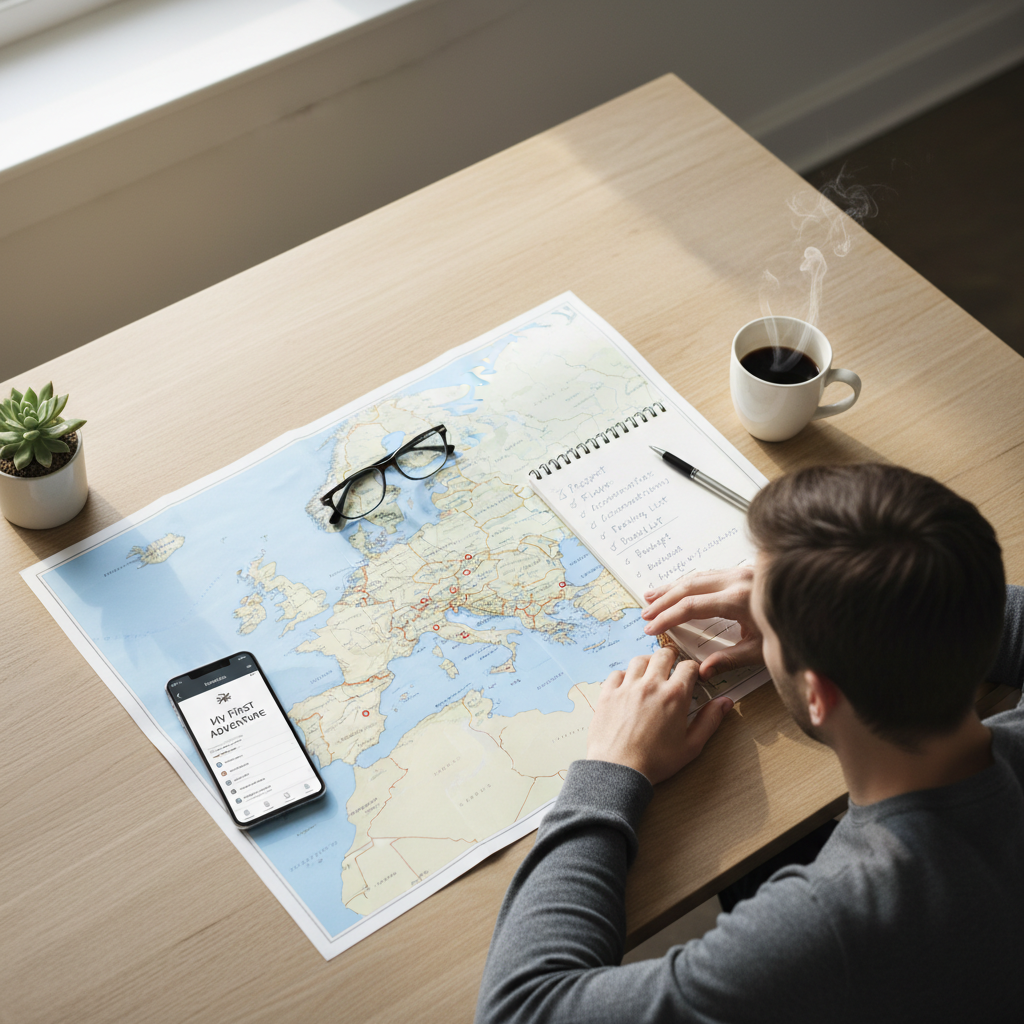
Pick the easiest “first trip” on purpose
If you’re learning how to start traveling for beginners, the fastest win is choosing a trip with fewer moving parts, fewer connections, and fewer “unknowns.” That builds confidence without draining you.
What to choose (simple, forgiving trips)
- 2–4 nights instead of a week
- One main destination, minimal hopping between cities
- Direct flight or an easy road trip, if possible
- Walkable area or reliable public transit
- English-speaking destination if international feels like too much right now
Common beginner-friendly destination ideas (U.S.)
- Major cities with transit: Chicago, Washington DC, NYC (more expensive but easy to navigate)
- Compact “weekend cities”: Nashville, Austin, Portland (plan around neighborhoods)
- National parks with a base town: Zion (Springdale), Acadia (Bar Harbor), Yosemite (nearby towns)
If your gut says “I don’t even know what I like,” pick a theme: food, hiking, museums, beaches, concerts, or just rest. Theme makes planning 10x easier.
Budget without ruining the fun (a simple table)
Most beginners don’t overspend because they love travel, they overspend because they forget the small categories. A quick budget outline prevents that and helps you decide if you should go now or wait a month.
According to the U.S. Department of State, international travelers should plan ahead for costs and contingencies like medical care and emergency expenses, which is a fancy way of saying “leave yourself some cushion.”
Starter budget template
| Category | What to include | Beginner tip |
|---|---|---|
| Transportation | Flights, gas, rideshare, parking, transit passes | Price check 2–3 nearby airports or driving vs flying |
| Lodging | Hotel/Airbnb, taxes, resort fees, deposits | Filter for “total price” and read fee details |
| Food | Meals, coffee, snacks, tips | Plan one “nice meal,” keep the rest flexible |
| Activities | Tickets, tours, rentals, park entry | Book only the “must-do” in advance |
| Extras | Souvenirs, toiletries, laundry, phone data | Set a small daily buffer so you don’t feel guilty |
| Emergency cushion | Last-minute hotel, rebooking, urgent care | Aim for a cushion you won’t touch unless needed |
Key point: decide your “trip total” first, then plan down into categories. When you do it backwards, you tend to justify every add-on.
Book the essentials in the right order
When people ask how to start traveling for beginners, what they often want is a booking sequence that lowers risk. This is the order that usually keeps plans stable.
- Time off and dates: lock this before shopping seriously
- Transportation: flights or the drive plan, then airport transfers
- Lodging: prioritize location and safety over “cutest room”
- One or two anchors: a tour, a museum ticket, a reservation
Keep confirmation emails in one place. A basic travel folder in your email or a notes app is enough, you don’t need a fancy system.
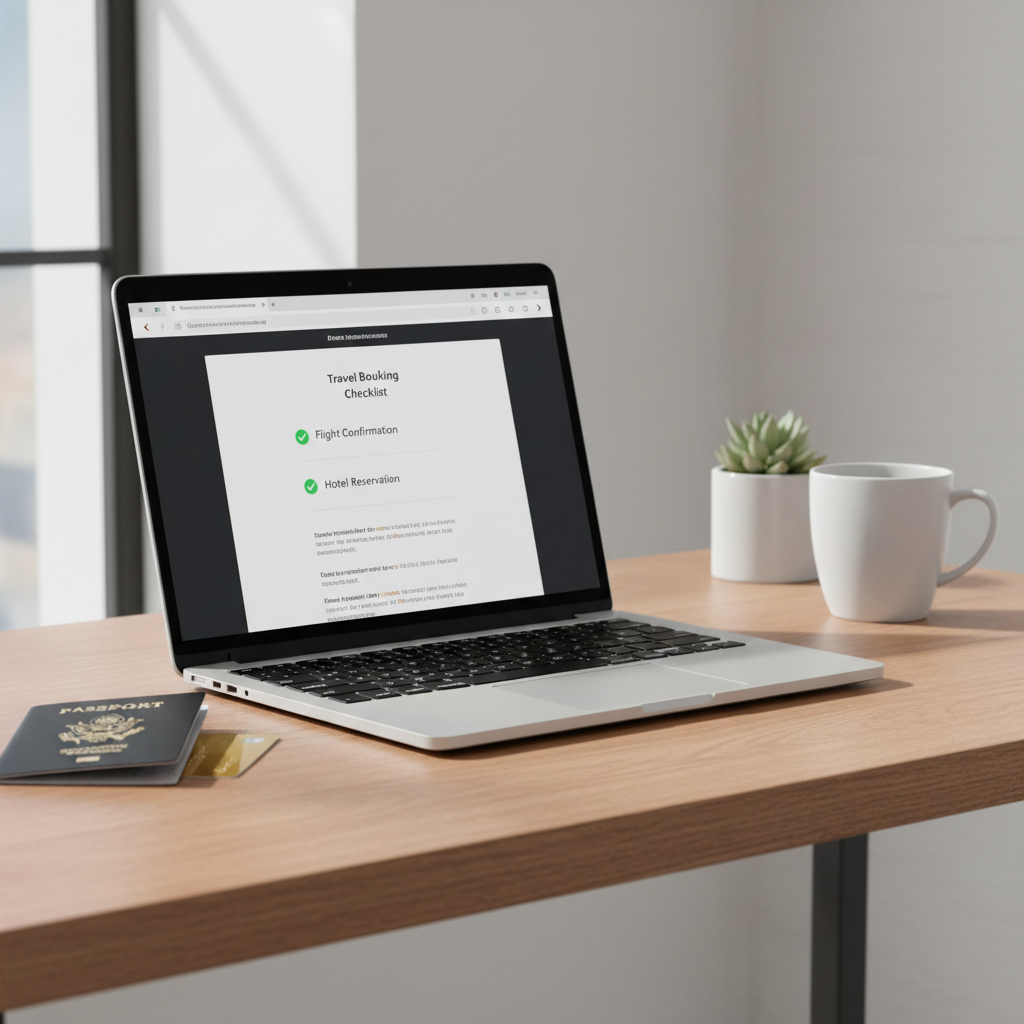
Location beats amenities (especially early on)
Beginners usually enjoy trips more when lodging sits near what they’ll actually do. A cheaper hotel far away can quietly cost you in rideshares, time, and stress.
- Look for walkable blocks, grocery stores, and transit stops nearby
- Scan recent reviews for noise, cleanliness, and neighborhood comfort
- Check check-in times and late arrival rules, this trips people up
A quick self-check: what kind of beginner are you?
Not all first-timers need the same advice. This is a quick way to diagnose what will actually help you.
- If you fear “getting stranded”: choose direct routes, book refundable options, carry a battery pack
- If you fear “looking stupid”: plan a simple daily structure, accept that small mistakes happen
- If you fear “spending too much”: cap your daily spend, use one card, track in notes
- If you fear “being unsafe”: stay in well-reviewed areas, share your itinerary with someone, avoid over-drinking
- If you get decision fatigue: pick 1 must-do per day, then stop researching
Be honest here. Your first trip plan should reduce your biggest stressor, not someone else’s.
Packing for your first trip: less stuff, more readiness
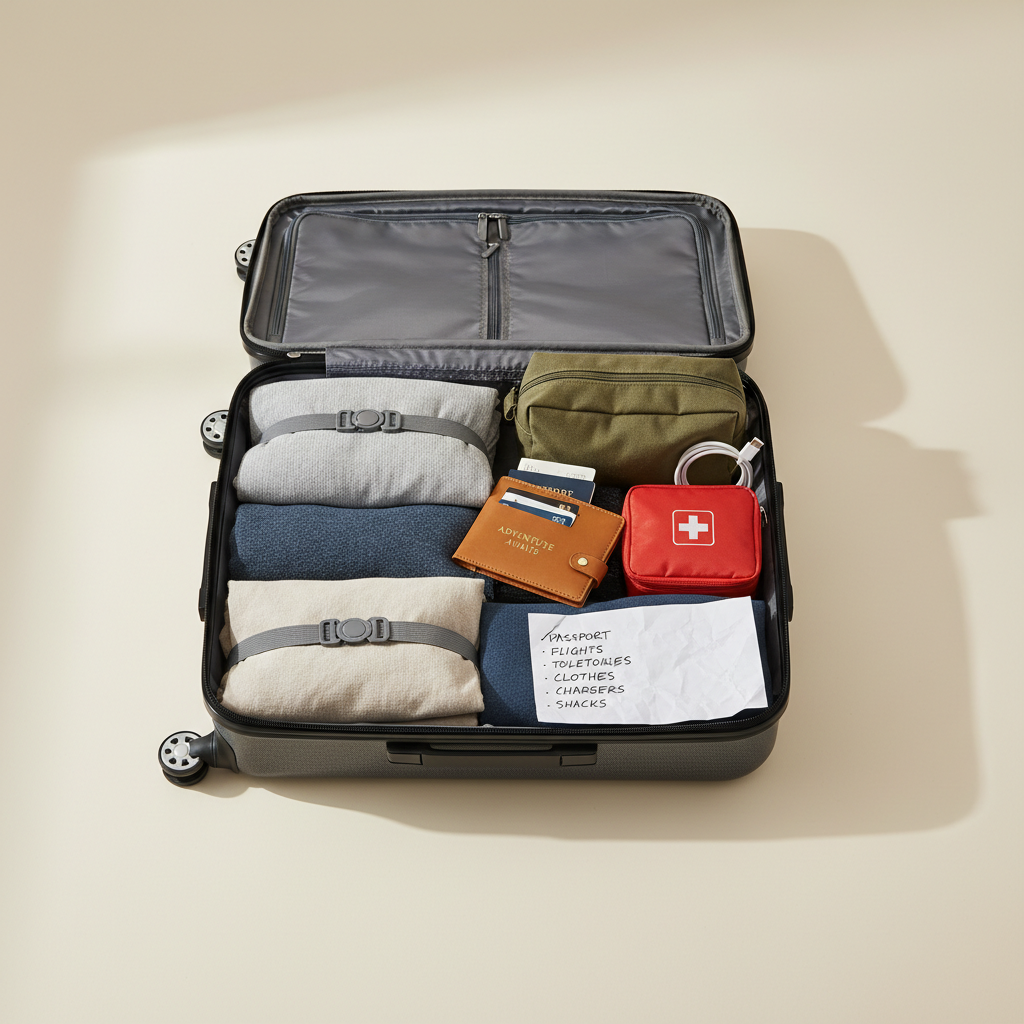
Packing is where beginner anxiety shows up, and overpacking is the usual result. A small, repeatable list keeps you calm and mobile.
A simple packing list (works for most trips)
- Documents: ID/passport, one backup photo stored securely, insurance info if relevant
- Money: one primary card, one backup card, small cash for tips
- Clothes: wear the bulkiest shoes, pack layers, plan re-wears
- Health basics: personal meds, small first-aid items; if you have conditions, consider asking a clinician what to carry
- Tech: phone charger, battery pack, earbuds, adapter for international
Beginner-friendly packing rules
- Pack for 5 days even if your trip is 7, laundry exists
- Bring one “nice” outfit max unless the trip is event-focused
- Don’t pack “just in case” duplicates, pick the one item you’ll really use
Safety and comfort basics (without paranoia)
Safety advice online can get dramatic. Realistically, most travel problems are boring: lost items, missed trains, oversharing information, or pushing yourself too hard.
According to the Transportation Security Administration (TSA), travelers should follow current carry-on rules and screening guidance, so checking TSA’s official site before you pack liquids and sharp items can save you an airport headache.
- Share your itinerary with a friend or family member, even a rough version
- Use hotel safes thoughtfully, keep essential items on you when practical
- Watch alcohol and exhaustion, many “bad nights” start with one of these
- Trust weird vibes, leave and reset, you don’t owe politeness
- Health note: if you have injuries, chronic issues, or medications, it’s often smart to ask a healthcare professional about travel precautions
Your first-trip game plan: a 3-day starter itinerary
If you want an actionable way to start, here’s a simple structure that fits city trips or a nature base town. It also keeps room for spontaneity, which is half the point.
Day 1: arrive and get oriented
- Check in, take a short walk, find a grocery store or quick food spot
- Do one low-stakes activity: viewpoint, neighborhood, easy museum
- Early night if you crossed time zones
Day 2: your “anchor” day
- Do your main activity in the morning, when energy is highest
- Leave one flexible block for wandering or rest
- One planned meal, everything else casual
Day 3: light plans, smooth exit
- Brunch or a short trail, nothing that risks missing your ride
- Buy small souvenirs only if you still want them today
- Travel home with time buffers, especially for airports
Key takeaway: beginners enjoy trips more when you plan fewer “musts” and protect energy, not when you schedule every hour.
Common mistakes beginners make (and what to do instead)
- Mistake: planning 10 attractions a day. Instead: pick 1–2 priorities, build breaks
- Mistake: choosing the cheapest lodging without context. Instead: buy a better location, save on transport
- Mistake: ignoring fees and cancellation rules. Instead: read the total price and policies before you click pay
- Mistake: packing too much. Instead: pack fewer items you actually like wearing
- Mistake: assuming stress means you “aren’t a traveler.” Instead: treat stress as a signal to simplify the plan
Conclusion: start small, then iterate
Learning how to start traveling for beginners is less about secret hacks and more about repeating a simple cycle: choose an easy trip, budget with a cushion, book in a low-risk order, pack light, and keep your days realistic.
If you want a clean next step, do this today: pick a 3-day window in the next 60 days, choose one destination, and price out transportation plus lodging. Once that number feels doable, the rest becomes much easier.