
how to plan a trip to japan for beginners usually comes down to three things: picking a route that makes sense, timing your visit well, and booking the “must-book” items before they sell out. If you try to do everything at once, Japan planning can feel like a spreadsheet marathon, but it does not have to be that intense.
What makes Japan different for many first-time Americans is that the country runs smoothly, yet the choices are endless, rail passes can be confusing, and neighborhoods matter more than people expect. One small decision, like where you stay in Tokyo, can change your daily commute and how much you enjoy the trip.
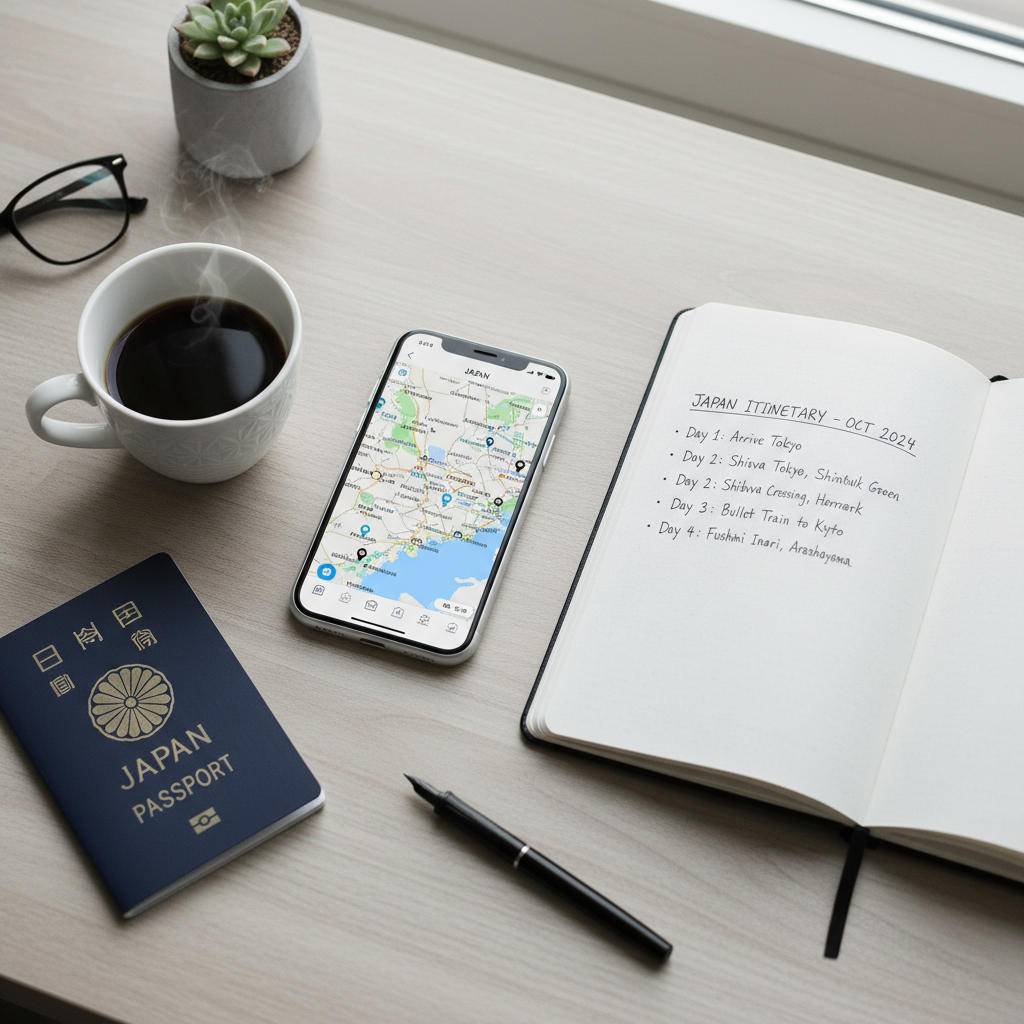
This guide walks you through a beginner-friendly flow: decide your trip shape, build a realistic day plan, set a budget, book transportation and hotels, then handle practical details like cash, connectivity, and etiquette. Along the way, you get a few guardrails so you do not overplan or overpay.
Start with the trip “shape”: dates, pace, and your must-dos
Before you compare hotels or train tickets, get clear on what kind of trip you want. Japan rewards focus, especially for first-timers, because transit is easy but distances are real and cities are dense.
- Choose a season with eyes open. Spring and fall are popular for a reason, but prices and crowds often spike. Summer can be hot and humid, winter can be great for cities plus snow regions.
- Pick a pace you can sustain. Many beginners try to change hotels every night, then wonder why the trip feels rushed.
- Write 3 “anchor experiences.” Examples: Tokyo food neighborhoods, Kyoto temples, Osaka nightlife, a ryokan stay, a day at Disney, or a short onsen visit.
According to Japan National Tourism Organization (JNTO)... Japan travel demand varies by season and region, so booking timelines and crowd levels can shift a lot depending on when and where you go. Translate that into a simple rule: if your trip depends on one specific thing, book it earlier.
Pick beginner-friendly routes (and know when to simplify)
If you are learning how to plan a trip to japan for beginners, the safest move is choosing a route with minimal transfers and a clear base city strategy. You can still do day trips, just avoid turning every day into a relocation day.
Good first-time itineraries (7–12 days)
- Classic: Tokyo (5–6 nights) + Kyoto (3–4) + Osaka (2–3)
- Tokyo + countryside taste: Tokyo + Hakone or Kawaguchiko + Kyoto
- Food-first: Tokyo + Osaka (with day trips to Kyoto/Nara)
Kyoto and Osaka sit close enough that you can stay in one and visit the other, but many travelers enjoy sleeping in Kyoto for early mornings and quieter evenings. Tokyo is the opposite, it is easier if you accept that you cannot “finish” it in one visit.
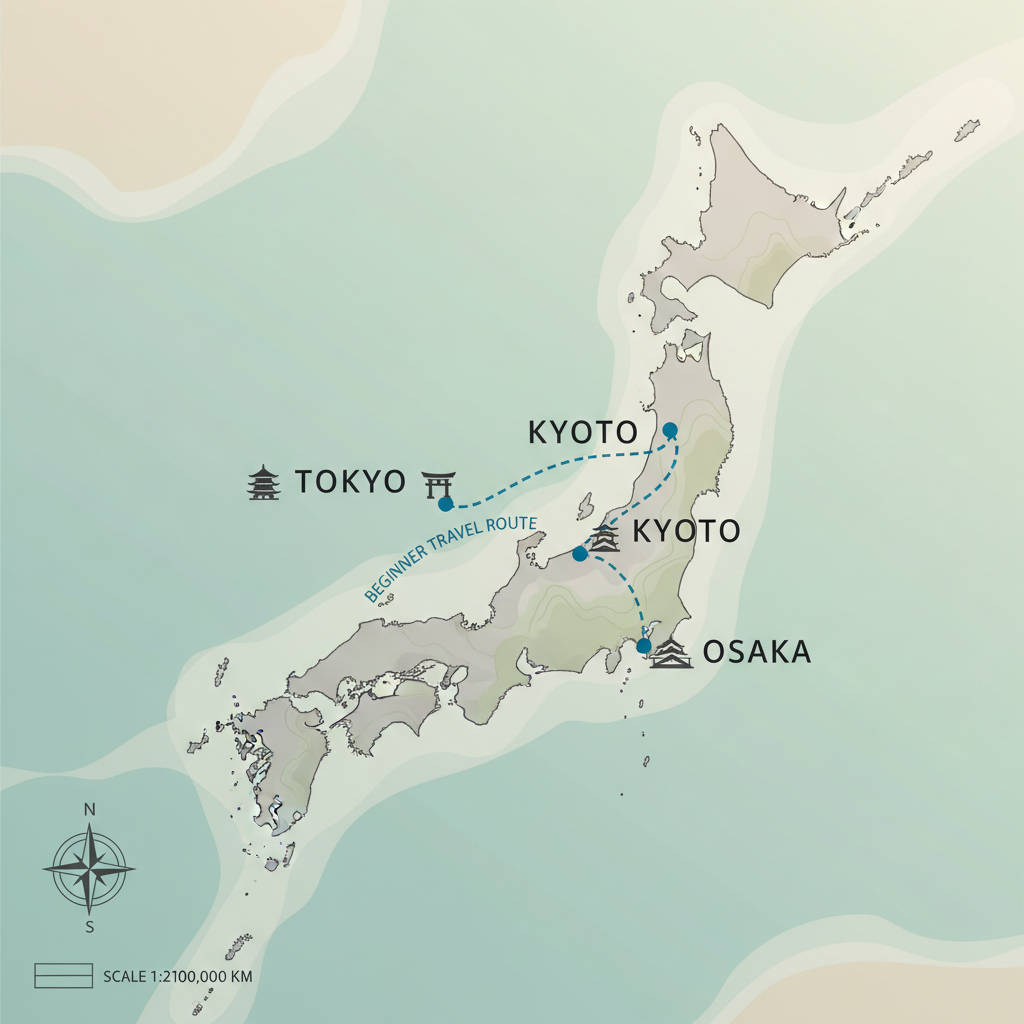
Practical shortcut: if you have 6–7 days total, do Tokyo plus one day trip, or Tokyo + Kyoto only. Trying to squeeze Tokyo, Kyoto, Osaka, Hiroshima, and an onsen town into one week is where beginners burn out.
Build a day plan that respects geography (neighborhood planning)
Japan itineraries work best when you plan by area, not by attraction type. Tokyo especially punishes zig-zagging. You can spend more time on trains than at the places you came to see.
A simple method that works
- Group each day into one core area (example: Shibuya/Harajuku, Asakusa/Ueno, Shinjuku, Ginza/Tsukiji).
- Pick 1 “must” + 2 “nice-to-haves” per day. Anything else becomes bonus.
- Leave a buffer block for shopping, jet lag, or a long meal you did not plan.
Kyoto has a similar logic: Arashiyama, Eastern Kyoto, and Fushimi/Inari sit in different pockets. If you stack them without thinking, your day quietly turns into transit.
Budget basics: what to expect, where people overspend
For Americans, the biggest budget surprise is not usually attractions, it is how quickly small costs add up: transit taps, snacks, café stops, shrine fees, and luggage forwarding. The good news is you can control it without ruining the fun.
Typical budget buckets (use as a planning template)
| Category | What to include | Beginner note |
|---|---|---|
| Lodging | Hotels, ryokan, taxes | Location often matters more than room size |
| Transportation | Shinkansen, metro, airport transfers | Do the rail math before buying passes |
| Food | Meals, convenience store runs, cafés | Great value exists, but “small” purchases stack |
| Activities | Tickets, tours, museums | Theme parks and special exhibits sell out |
| Shopping | Souvenirs, skincare, knives, hobbies | Plan luggage space, not just dollars |
Where overspending happens: booking the “closest” hotel without checking the nearest station lines, buying a rail pass that does not match your route, and paying peak prices because the itinerary was decided too late.
Transportation: trains, IC cards, and the rail pass question
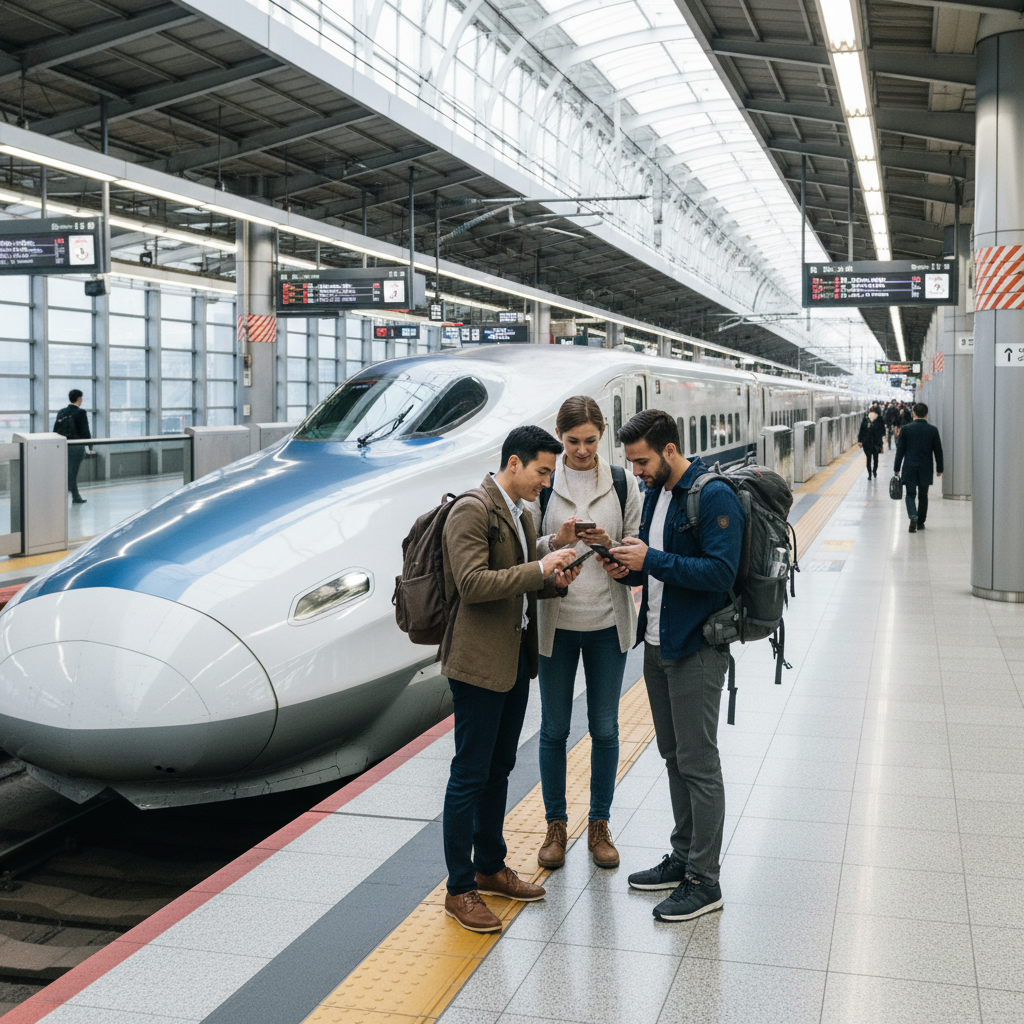
This is the section where many beginners spiral. Keep it simple: most city travel uses subways and local trains, while intercity travel uses the Shinkansen and limited express trains.
- Get an IC card for local transit (tap-in/tap-out). For many travelers, this reduces friction more than any “hack.”
- Use Google Maps for platform guidance and transfer timing, it is surprisingly reliable in major cities.
- Reserve Shinkansen seats when traveling with large luggage, during holidays, or if you want peace of mind.
About rail passes: they can be useful, but only on certain routes. According to JR Group... pass rules and pricing can change, and coverage varies by region, so you generally want to compare your planned long-distance trips against the pass cost before buying.
Beginner rule: if you only do one round-trip between Tokyo and Kyoto/Osaka, a nationwide pass may not pencil out, while regional passes sometimes do. Confirm with current pricing before purchase.
Booking step-by-step: what to reserve early vs keep flexible
When people ask how to plan a trip to japan for beginners, they often want a booking order that reduces regret. This is the order that usually keeps things calm.
Reserve early (often worth it)
- Flights once your dates are stable
- Hotels in high-demand areas or during peak seasons
- Theme parks and timed-entry attractions
- One “special” dinner if there is a place you really care about
Keep flexible (nice to leave room)
- Most neighborhood meals and casual experiences
- Museums without timed entry
- Day trips that depend on weather, especially Mt. Fuji viewing
Key point: overbooking every hour can backfire. Japan is safe and convenient in many areas, so leaving space for wandering often improves the trip, especially when jet lag hits.
Practical essentials Americans forget: money, connectivity, etiquette, safety
These details look small, then they become annoying when you are tired. Handling them upfront makes the trip feel easy.
- Money: Japan is increasingly card-friendly, but cash still helps in smaller restaurants, shrines, and rural areas. Carry some and refill as needed.
- Connectivity: consider an eSIM or pocket Wi‑Fi so navigation works smoothly. If your phone is locked, you may need another option.
- Language: learn a few basics, but do not stress. Polite body language and patience go far.
- Etiquette: quieter trains, tidy public spaces, and queueing norms matter. When unsure, follow the room.
- Health and safety: Japan is generally safe, but conditions can vary by location and season. For heat, altitude, allergies, or medications, it can be smart to plan conservatively and consult a medical professional if you have specific risks.
According to U.S. Department of State... travelers should review official travel advisories, entry requirements, and local laws before departure, since these can change and sometimes differ from what blogs mention.
A beginner checklist you can copy (plus a realistic timeline)
If you want a clean way to execute how to plan a trip to japan for beginners, use this as your “no panic” list. Keep it boring, boring is good when travel gets real.
8–12 weeks out
- Lock dates, rough route, and total nights per city
- Book flights and hotels with cancellation options when possible
- Draft a light itinerary by neighborhood
4–8 weeks out
- Decide on Shinkansen plan and seat reservations if needed
- Buy must-have tickets (parks, popular exhibits)
- Plan one rest evening per major city
1–3 weeks out
- Set up connectivity plan (eSIM/pocket Wi‑Fi)
- Confirm payment setup, notify banks if needed
- Save key addresses in English and Japanese
Key takeaways: pick a route you can explain in one sentence, plan days by area, and book the few items that actually sell out. Everything else can stay flexible, and that flexibility often becomes the best part.
When you are ready, choose your first two cities, decide how many nights you want in each, then book lodging in locations that minimize transfers. That one move tends to make the whole trip feel simpler, even before you touch the rest of the planning.