
Safari travel tips africa planning often feels simple until you hit the real questions, where to go, when to book, what to pack, and how to stay safe without overthinking it.
If you want an unforgettable safari, the best “hack” is matching your trip style to the right country, season, and logistics, because most disappointments come from mismatched expectations, not bad luck.
This guide focuses on practical decisions Americans tend to wrestle with, flights and jet lag, money and tipping, family travel, health precautions, and how to pick an operator without getting sold a dream itinerary.
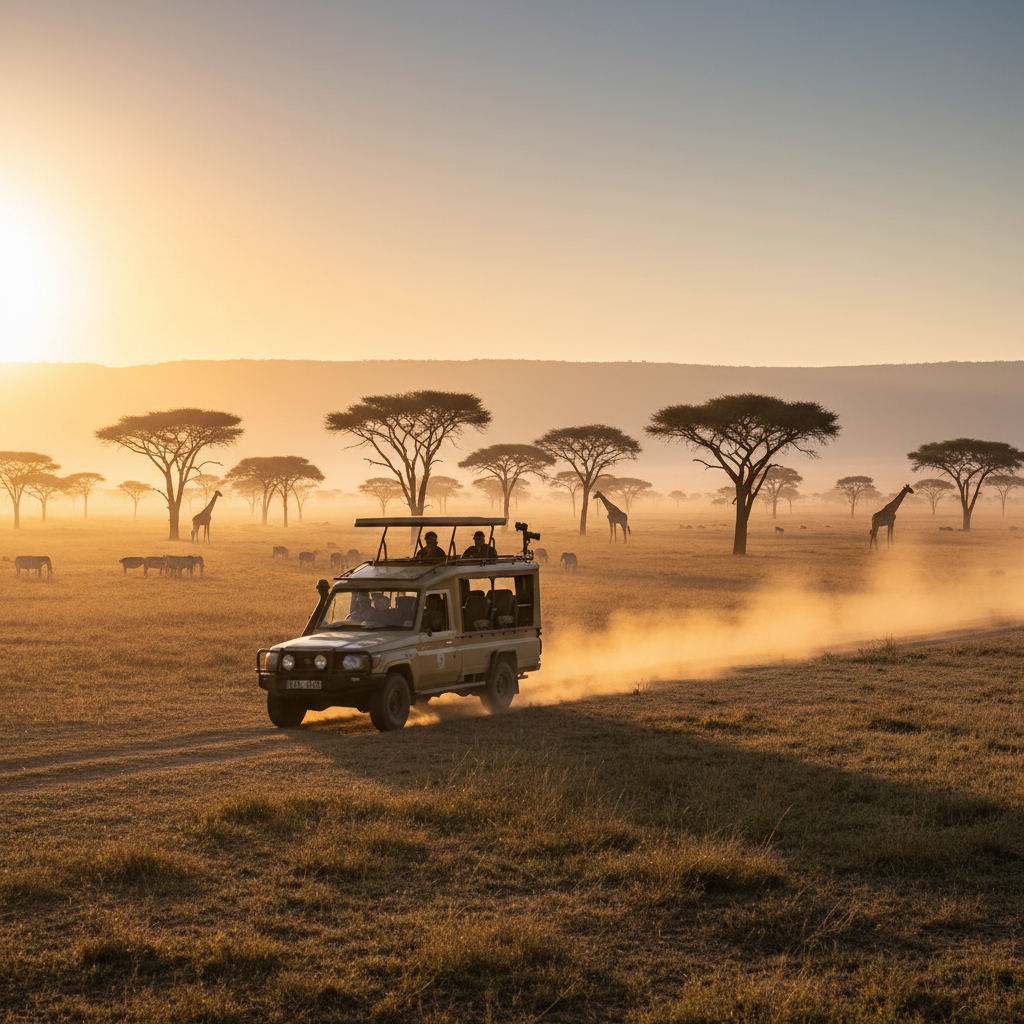
1) Start with the trip you actually want (not the itinerary someone sells you)
Before you compare lodges or obsess over the “Big Five,” get honest about what will make you happy day to day. Many first-timers book a schedule that looks impressive, then realize they hate early wake-ups or long drives.
- Comfort-first: shorter game drives, strong lodge amenities, fewer camps, more rest.
- Wildlife-first: peak seasons, more driving time, early mornings, fewer “luxury breaks.”
- Photography-first: private vehicle, flexible timing, guides used to serious shooters.
- Family-first: child-friendly policies, shorter transfers, activities beyond game drives.
Say it out loud: are you okay spending 3–6 hours a day in a vehicle? If not, your safari should be designed around fewer, higher-quality drives, not a checklist.
2) Pick the right country, park, and season (the easiest way to avoid regret)
“Africa” is not one safari experience, and that’s why safari travel tips africa lists can feel contradictory. A Serengeti-style migration trip and a South Africa self-drive are different products.
According to UNWTO (World Tourism Organization), seasonality strongly shapes travel demand and pricing in many destinations, which shows up on safaris as higher rates and limited availability at peak times.
Quick decision table
| Priority | Often a good fit | Why it works | Watch-outs |
|---|---|---|---|
| First safari, easier logistics | South Africa (Kruger area) | More flight options, a range of budgets, malaria guidance varies by zone | Self-drive requires confidence; private reserves add cost |
| Iconic wide-open wildlife scenes | Tanzania / Kenya | Big landscapes, strong guiding culture, famous parks | Peak season crowds, internal flights, park fees |
| High-end, fewer vehicles | Botswana | Exclusive-feel camps in key areas | Usually pricier, flight hops add time |
| Budget-conscious but rewarding | Namibia / parts of Zambia | Road-trip potential, dramatic scenery | Long distances, planning matters more |
Season matters, but it’s not only “dry equals best.” Dry season often improves visibility and concentrates animals near water, while green season can mean fewer crowds and gorgeous landscapes, though wildlife may disperse and some roads can get rough.
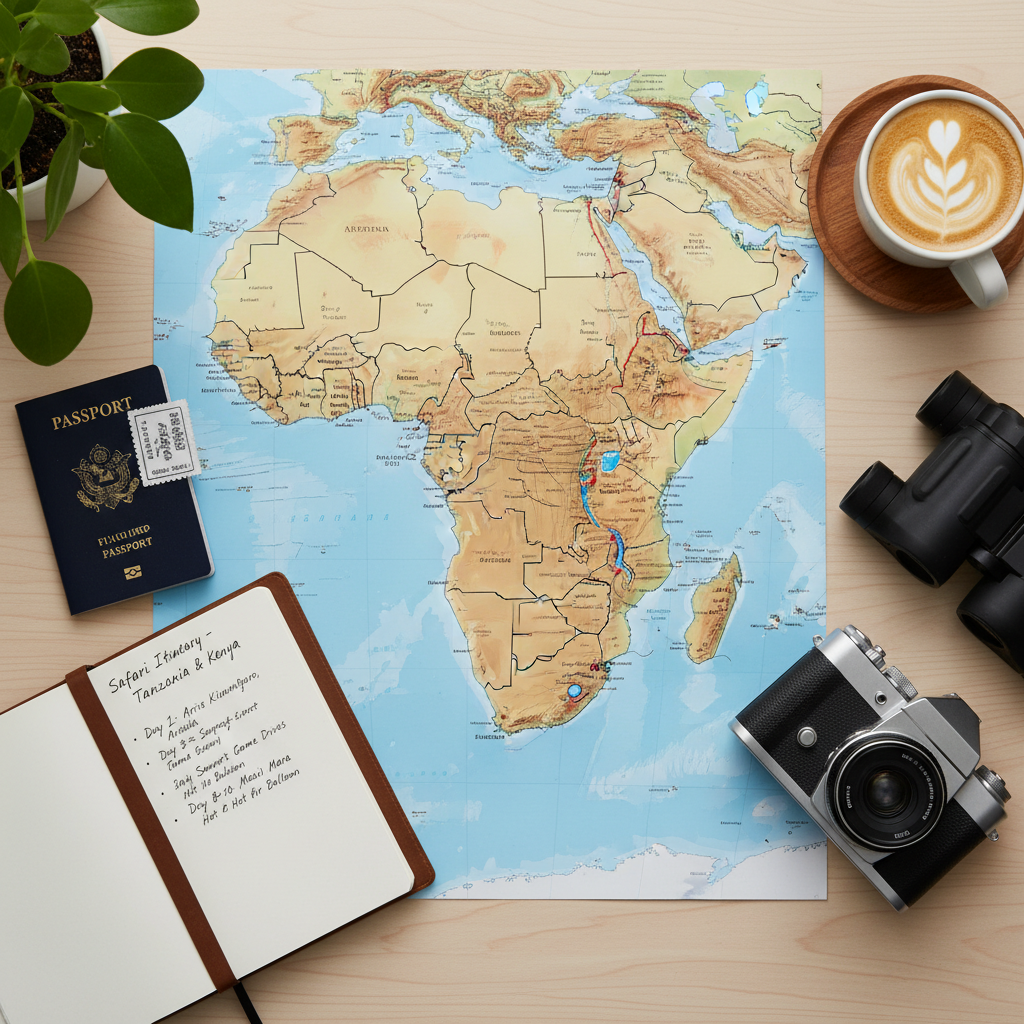
3) Build a realistic itinerary: fewer stops, smarter transfers
If there’s one tip that reliably improves trips, it’s this: don’t over-pack your route. Two or three key areas can feel richer than five parks stitched together with constant repacking.
- Plan for transfer fatigue: long drives plus game drives can blur together fast.
- Use “buffer” nights: especially after international arrival or before the flight home.
- Avoid one-night safari hops unless flights are direct and the camp is close to the airstrip.
For many Americans, jet lag and early wake-ups are the sneaky combo. A softer first 24 hours can prevent day-two burnout, which is when people start skipping drives they paid for.
4) Choose a safari operator with a simple, non-salesy checklist
The operator matters as much as the destination. A great guide can turn “quiet wildlife days” into something memorable, while a sloppy operation makes everything feel stressful.
Operator vetting checklist (use this before you pay)
- Transparency: clear inclusions, park fees, drinks, laundry, tips guidance, and transfer details.
- Guide-to-guest ratio: ask how many guests per vehicle, and whether you can request a window seat policy.
- Routing logic: they can explain why each stop exists, beyond “it’s famous.”
- Safety and contingency: medical access plan, vehicle maintenance approach, and what happens if roads or flights change.
- Ethics: no walking up to wildlife, no baiting, no “guaranteed sightings” talk.
According to U.S. Department of State, travelers should review destination-specific safety and local conditions before international trips, which is also a good way to sanity-check what an operator tells you.
5) Pack for comfort and safety, not for the Instagram version of safari
Packing is where people overdo it. You don’t need a new wardrobe, you need the right layers and a few items that solve predictable problems.
Core packing list (the stuff that earns its space)
- Layers: a light fleece plus a windproof shell, mornings in open vehicles can feel cold.
- Neutral colors: khaki, olive, tan, dust hides better, and it feels less distracting in the bush.
- Sun protection: hat, sunglasses, sunscreen, lip balm.
- Binoculars: even when your guide is great, this upgrades every sighting.
- Power plan: adapter, power bank, and spare camera batteries.
- Soft-sided luggage: many light aircraft transfers require it.
Health items (keep it cautious)
According to CDC, travelers should review recommended vaccines and medications based on their destination and activities. Malaria prevention, for example, is location- and season-dependent, so it’s worth discussing with a travel medicine clinician.
If you have asthma, severe allergies, or a history of motion sickness, build your kit around that reality, safaris can mean dust, pollen, and bumpy roads.
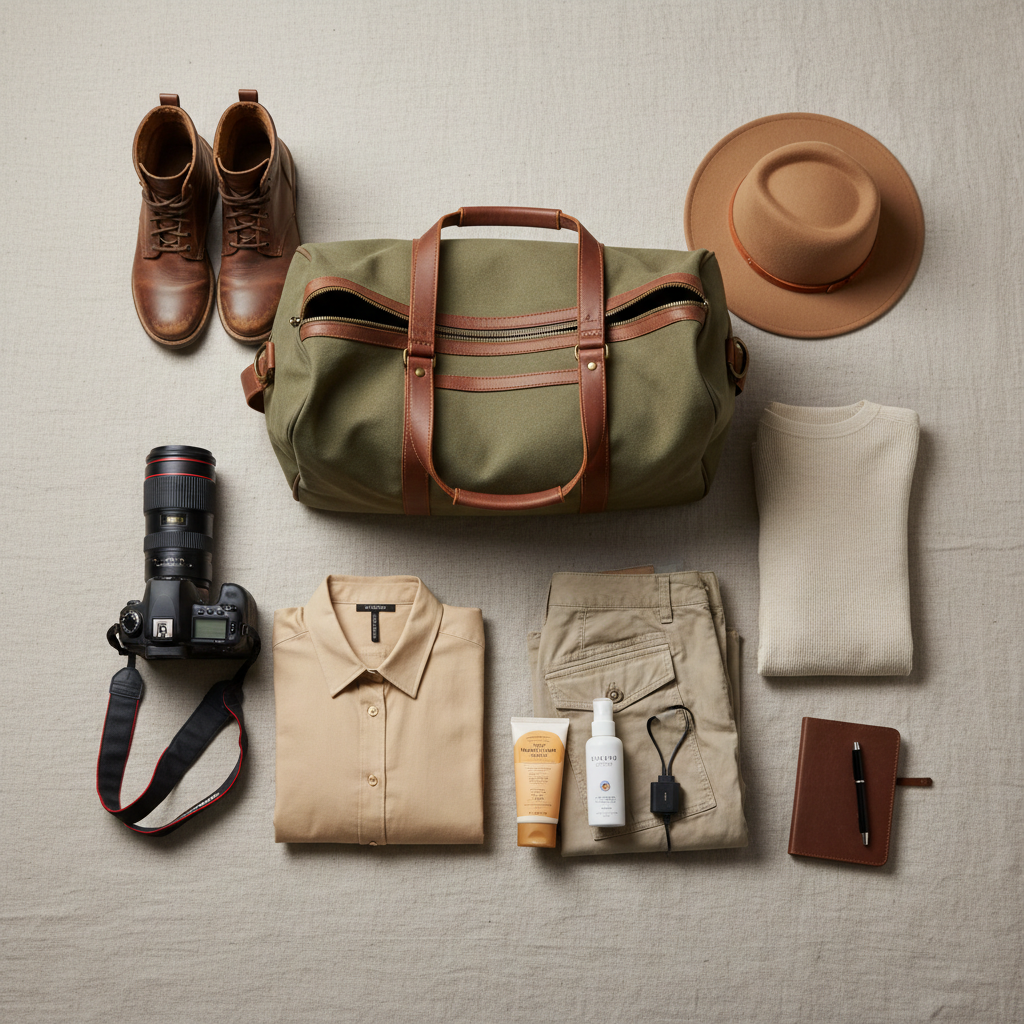
6) Money, tipping, and small logistics Americans often underestimate
This is the unglamorous part, but it can make your safari feel either smooth or constantly awkward. Bring a plan so you’re not doing math in a dusty car at the end of a long day.
- Tipping: norms vary by country, camp type, and group size, ask your operator for a written guideline.
- Cash: small bills help, but don’t flash a thick stack, spread it out.
- Connectivity: many camps have limited Wi-Fi, assume you’ll be offline at times.
- Travel insurance: consider coverage for medical evacuation and trip interruption, terms differ widely.
One more thing people forget: laundry. Many lodges offer it, which means you can pack lighter than you think, but confirm if it’s included and whether same-day service exists.
7) On-the-ground behavior that keeps you safe and increases sightings
Most safety issues come from small choices, not dramatic moments. And better wildlife viewing is often about patience and quiet, not chasing.
Key points to keep in mind
- Listen to your guide: rules can change with animal behavior, weather, and park regulations.
- Stay inside the vehicle unless you are explicitly told it’s safe and allowed.
- Keep voices low: it improves sightings and helps other vehicles too.
- Don’t feed animals: it’s unsafe and often illegal, even when it looks harmless.
- Night safety at camp: follow staff escort advice, wildlife can move through unfenced areas.
If you’re traveling with kids, ask ahead about minimum ages for walking safaris and night drives, policies vary and are usually set for safety, not to be difficult.
Practical self-check: which safari style fits you right now?
If you’re stuck between options, answer these quickly. Your pattern will point you toward the right trip design.
- I get carsick easily or hate bumpy roads, I should prioritize flights into camps, shorter drives, and fewer park hops.
- I want to see lots of animals fast, I should prioritize well-known high-density areas in peak months, and accept crowds.
- I care about photography, I should prioritize private vehicles, flexible schedules, and guides experienced with light and positioning.
- I’m watching budget, I should prioritize shoulder season, fewer internal flights, and clear inclusions.
- I want a calmer experience, I should prioritize conservancies/private reserves where rules limit vehicle numbers.
Use this as your north star, then apply the earlier safari travel tips africa choices on country, season, and operator to match it.
Common mistakes (and what to do instead)
- Mistake: booking too late for peak season. Do instead: put a soft hold early, then refine details.
- Mistake: chasing “guaranteed” sightings. Do instead: choose regions with strong habitats and great guides, nature stays unpredictable.
- Mistake: packing heavy hard-shell bags. Do instead: confirm aircraft baggage rules and go soft-sided.
- Mistake: scheduling every day at 5 a.m. Do instead: mix one slower morning in to reset.
Most of these are easy to fix early, harder to fix once you’re already in-country, so it’s worth pausing before you hit “pay now.”
When it’s worth getting professional help
If your route includes multiple countries, tight connections, remote camps, or travelers with medical considerations, a specialist safari planner can reduce risk and friction, even if you still like controlling the big decisions.
Also consider professional advice if you need destination-specific medical guidance, a travel medicine clinic can help tailor vaccines and preventive meds based on your exact itinerary and time of year.
Conclusion: keep it simple, then make it personal
The most reliable safari travel tips africa advice is not about secret parks, it’s about good matching, the right season for your priorities, a realistic pace, and an operator who explains trade-offs clearly.
Pick one strong region, give it time, pack for comfort, and budget for the little logistics like tipping and transfers. If you do that, you usually leave with the kind of stories that don’t need exaggeration.
Next step: choose two countries that fit your style, then ask two operators for a written day-by-day plan with inclusions, that comparison tells you more than any glossy brochure.
FAQ
What are the most important safari travel tips africa first-timers should follow?
Keep your itinerary simple, confirm what’s included, and prioritize guide quality over a long park list. Most “bad trips” come from rushed transfers and unclear expectations.
How many days do I need for a first African safari?
Many travelers find 5–8 safari nights feels balanced, enough time to settle in and have varied sightings without turning the trip into a moving marathon.
Is it better to do a private safari or join a group?
Private trips offer flexibility for timing and photography, while group trips can lower cost. If you dislike rigid schedules, private often feels worth it.
When should I book flights and lodges for peak season?
In popular areas, availability can tighten well ahead of travel dates. If you’re targeting peak months, it’s smart to start planning early and confirm cancellation terms.
Do I need malaria pills for safari?
It depends on where you go and the season. According to CDC, malaria guidance is destination-specific, so discuss your exact itinerary with a travel medicine professional.
What should I wear on safari?
Neutral layers work best, mornings can be cold and afternoons hot. Comfort beats fashion, and dust-friendly fabrics make life easier.
How much should I tip on safari?
There isn’t one universal standard. Ask your operator or camp for a recommended range based on your group size and length of stay, and bring small bills.
If you’re planning your first trip and want a sanity check on route, season, and what’s realistically included, it can help to share your rough dates, budget range, and travel style with a safari specialist so you get options that fit you, not just the brochure.