
Cross country ski travel spots can feel overwhelming to compare, because “great skiing” can mean groomed corduroy, quiet backcountry glades, reliable snow, easy rentals, or simply a town where you can ski from your lodging without a car.
If you’ve ever booked a winter trip and then realized the trails were thin, the parking was chaos, or the “Nordic center” was really just a short loop, you already know why destination choice matters more in cross-country than people expect.
This guide narrows it down in a practical way: what each region tends to be best at, when to go, what logistics trip people up, and how to pick a place that matches your style instead of someone else’s highlight reel.
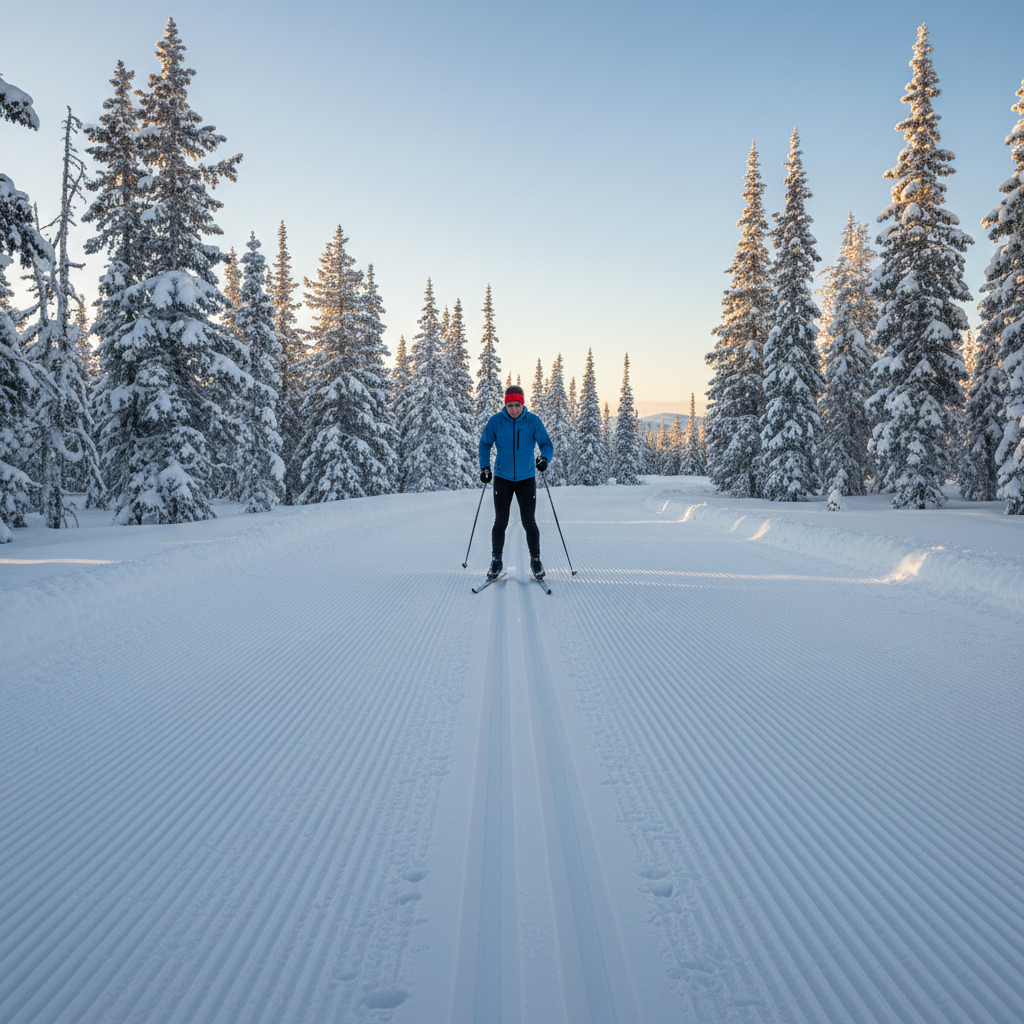
What makes a destination worth traveling for
A good trip usually starts with an honest definition of “good.” Many destinations are strong in one lane and just okay in others, and that’s not a bad thing if you match the lane to your trip goals.
- Snow reliability and season length: Higher elevation and colder interiors often hold coverage longer, but storms can still be variable year to year.
- Grooming quality: If skate skiing matters, look for daily grooming and clear reports about which loops are set.
- Trail variety: You want more than one mood, easy loops, longer endurance routes, and at least a few scenic “reward” sections.
- Access and parking: Great trail systems can be frustrating if access funnels everyone into one small lot.
- Rentals, lessons, and warming huts: These are the difference between “I might quit” and “I’m hooked” for mixed-skill groups.
Key takeaway: your best cross country ski travel spots are usually the ones that remove friction, easy trail access, predictable grooming, and a town that supports winter life.
Quick comparison table: popular U.S. regions at a glance
Use this as a first filter, then dial in by snow preference, budget, and whether you want a Nordic center vibe or a quieter public-land feel.
| Region | Best for | Typical trade-offs | Trip style |
|---|---|---|---|
| Rocky Mountains | Big views, altitude snow, destination Nordic centers | Higher cost, altitude adjustment, weather swings | Long weekend to week |
| Upper Midwest | Strong community grooming, approachable terrain | Cold snaps, occasional thaw cycles | Weekend to 5 days |
| New England | Classic touring, varied terrain, cozy towns | Freeze-thaw can affect conditions | Long weekend to week |
| Mountain West (non-Rockies) | Quieter trail networks, dramatic scenery | Longer drives between hubs | Road trip friendly |
| Pacific Northwest & Alaska | Maritime snow (PNW) or deep winter (AK), unique landscapes | Weather volatility, visibility, travel time | 4–10 days |
Standout cross-country ski destinations in the U.S. (by vibe)
Instead of dumping a huge list, here are destination “types” that tend to deliver, plus examples to start your planning. Conditions and trail operations can change, so always verify current grooming and access before you commit.
Resort-adjacent Nordic centers (convenience, grooming, lessons)
- Park City, Utah: Multiple Nordic options nearby, good for mixing skiing with dining and non-ski activities.
- Sun Valley / Ketchum, Idaho: A strong Nordic culture, usually well-supported grooming, and a real winter-town feel.
- Vail Valley, Colorado: Polished trail centers and amenities, often a good pick for first-time travelers who want low stress.
These are classic cross country ski travel spots when your group includes beginners, or when you want rentals, lessons, and a place to warm up without improvising.
Town trail systems (ski from lodging, minimal driving)
- Anchorage, Alaska: Urban trail networks can be impressively extensive, and you still get that big-nature backdrop.
- Bend, Oregon: A strong outdoor town base with nearby snow parks and Nordic areas, though storm cycles can vary.
- Steamboat Springs, Colorado: A winter town where Nordic is part of the ecosystem, not an afterthought.
The appeal here is simple: less time shuttling, more time skiing, and it’s easier to split up by ability and meet later for food.
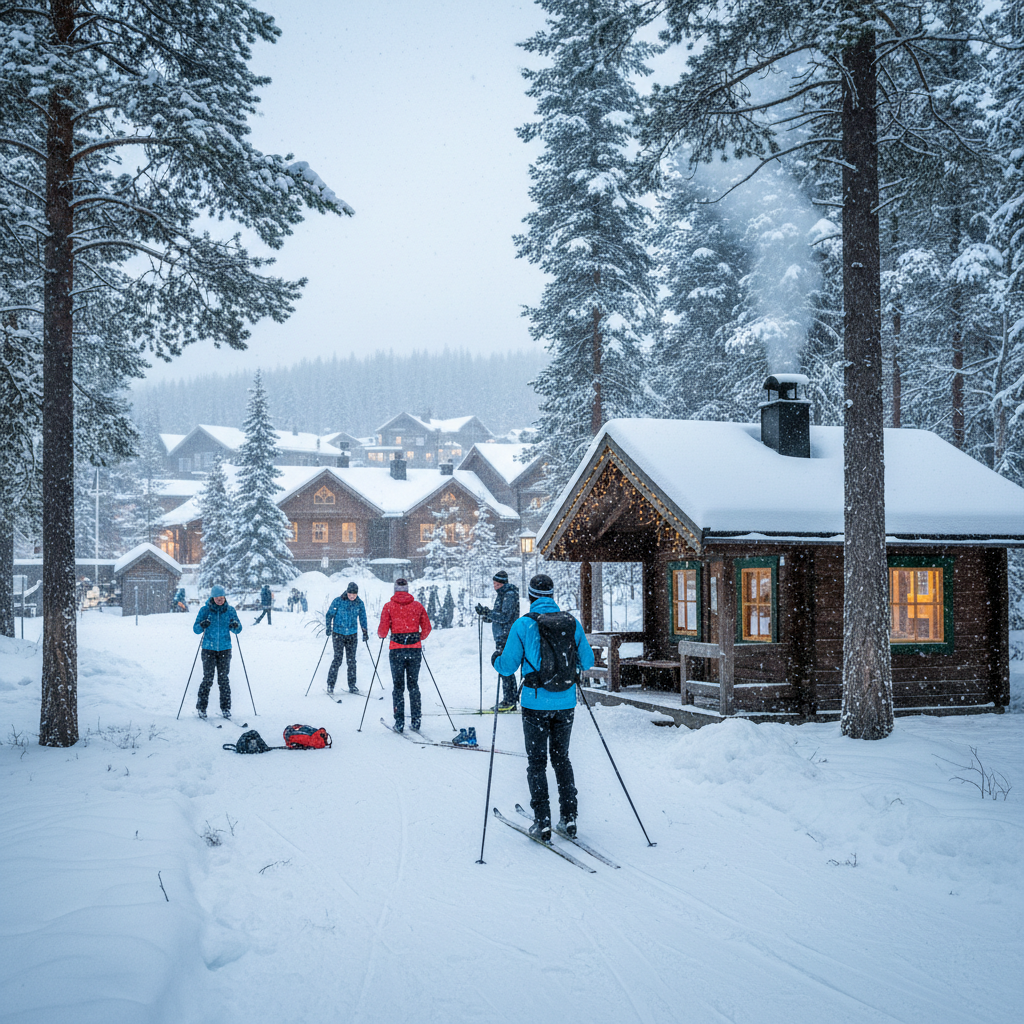
Quiet touring bases (scenery, solitude, classic skiing)
- Vermont’s mountain towns: Lots of touring flavor, from managed Nordic networks to more rustic routes, with a strong winter lodging scene.
- Northern Minnesota: When conditions align, you can get serene forests and well-loved trail communities.
- Wyoming valley hubs: Often a mix of wide-open views and a slower pace, plus good options for longer day tours.
If your idea of a perfect day is steady classic rhythm, quiet woods, and a thermos break with no lift noise, this category usually hits.
Pick the right spot for your skill level and trip goals
Most disappointment comes from a mismatch, not from a destination being “bad.” A few fast checks can prevent that.
Self-check: which profile sounds like you?
- New to Nordic: You’ll enjoy wide, gently rolling trails, reliable grooming, easy rentals, and a lesson pipeline.
- Fitness skate skier: You’ll want frequent grooming, multiple loops for intervals, and trail widths that stay comfortable when busy.
- Scenic tourer: Prioritize views, longer point-to-point routes, and a place where navigation is straightforward.
- Backcountry-curious: Look for places with local shops that can advise on conditions, plus realistic avalanche education options.
According to USDA Forest Service, winter travel conditions can change quickly, so route planning, weather checks, and preparedness are essential on public lands.
How to plan the trip so the skiing actually happens
Once you’ve chosen a short list of cross country ski travel spots, logistics is the make-or-break layer. This is where a “great destination” becomes a great trip.
Timing and flexibility
- Build a buffer day if you can, storms and road closures happen, and Nordic centers sometimes pause grooming during active snowfall.
- Watch freeze-thaw patterns in shoulder season, especially in maritime or lower-elevation areas where conditions can swing.
- Check grooming reports the morning you ski, not the night before, because overnight weather can change everything.
Lodging and transportation
- Stay close to your primary trailhead, saving 20 minutes each way adds up fast over multiple ski days.
- Confirm parking rules and arrival times, popular lots can fill early on weekends.
- If flying, consider renting gear on arrival unless you know your airline’s policies and you trust the baggage timeline.
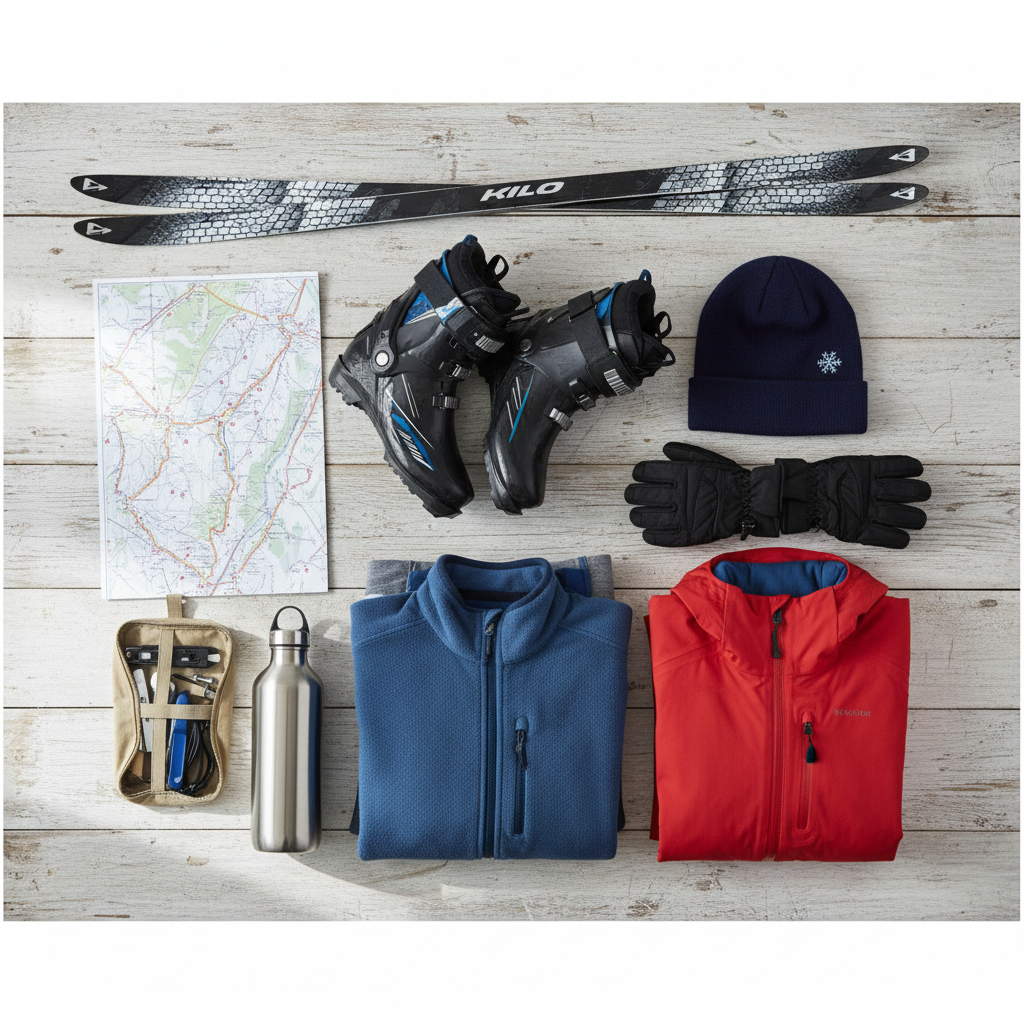
Gear strategy (keep it simple)
- Waxless classic skis are often the least fussy option for travelers, especially if you don’t want to chase wax choices.
- Bring two glove weights and at least one extra base layer, temperature swings can feel bigger when you’re moving steadily.
- Don’t ignore sunglasses, bright snow and wind can be surprisingly tiring on long tours.
Safety, etiquette, and the stuff people forget
Nordic feels mellow, but winter risk is still real. The goal is not to overcomplicate it, just to avoid the common unforced errors.
- Dress for stops, not just movement: a quick snack break can chill you faster than you expect.
- Know the trail format: skate lanes vs. classic tracks, step out of the set tracks when you stop or pass.
- Stay conservative on unfamiliar routes: if visibility drops or temperatures dive, shortening the plan is usually the smart call.
According to National Park Service, winter conditions can create hazards such as cold exposure and rapidly changing weather; many situations are manageable with preparation, but some may warrant turning around early or asking local staff for guidance.
If you’re considering off-trail or steeper terrain, avalanche risk may apply in some regions, and it’s sensible to consult local forecasts and qualified professionals.
Practical itineraries (3–5 days) you can copy
These templates work across many destinations, whether you choose a polished Nordic center or a town trail network. Adjust daily volume based on fitness and conditions.
3-day long weekend (balanced)
- Day 1: Arrival + short shakeout loop, rentals/fit check, easy dinner.
- Day 2: Main ski day, start earlier, add a lesson or technique clinic if available.
- Day 3: Scenic tour or easy distance, leave time for travel without rushing.
5-day trip (skill-building + variety)
- Day 1: Easy classic, dial clothing and hydration.
- Day 2: Technique focus, skate session or lesson, shorter total distance.
- Day 3: Long tour day, plan a warm-up stop and a turnaround time.
- Day 4: Recovery ski or snowshoe option, keep it social.
- Day 5: Favorite loops repeat, depart.
Conclusion: how to choose your next Nordic trip with confidence
The best cross country ski travel spots aren’t just “pretty,” they’re the places where snow, grooming, and access line up with how you actually ski. If you pick a destination type that matches your group, then plan around real-world logistics like parking, grooming timing, and gear simplicity, the trip usually takes care of itself.
Action step: shortlist two destinations in different climate patterns, then book the one with better conditions as your dates approach if your schedule allows even a little flexibility.
Action step: before you pay for anything nonrefundable, read the trail system’s current season page, grooming updates, and parking rules, that 10 minutes saves the most headaches.
FAQ
What are the best months for cross country ski travel in the U.S.?
It depends on elevation and latitude, but many places hit a steadier stride mid-winter. Shoulder months can be great too, you just want a backup plan if conditions swing.
How do I know if a destination is better for skate skiing or classic?
Look for grooming details: frequent reports, trail width, and whether the center explicitly mentions skate lanes and regular re-grooming. Photos can help, but written grooming notes are usually more honest.
Are cross country ski travel spots family-friendly?
Many are, especially places with lessons, short loops, and warming huts. The trick is choosing terrain that lets kids succeed quickly and keeping days shorter than adults think they “should” be.
Should I bring my own skis or rent when traveling?
If you’re picky about fit or performance, bringing your own gear can be worth it. If you want less hassle, renting locally often works fine, especially for classic cruising and variable conditions.
How much trail distance should I plan per day?
For many recreational skiers, a comfortable day might be 5–12 miles depending on terrain and temperature. If it’s very cold, windy, or you’re new, planning shorter routes usually feels better.
What’s the biggest mistake people make on Nordic ski trips?
They plan like it’s a summer hike and forget winter friction: clothing changes, limited daylight, and the way conditions affect speed. A slightly conservative plan often leads to more fun, not less.
Do I need avalanche gear for cross country skiing?
Often no for groomed Nordic centers, but some touring routes and mountain terrain may cross avalanche paths. If you’re unsure, ask local staff or a qualified guide service before heading out.
How can I find reliable grooming updates before I arrive?
Many trail systems post daily updates on their websites or social channels. If information is sparse, calling the Nordic center or local shop can be surprisingly effective.
If you’re planning cross country ski travel spots for a group with mixed skills, it can help to pick a destination with multiple trailheads, consistent grooming reports, and easy rentals, that way you spend less time negotiating plans and more time skiing.