
Best travel tips for solo female travelers usually come down to three things: planning with flexibility, building small safety habits that don’t kill the vibe, and setting up your trip so help is easy to reach if something feels off. You don’t need to be fearless, you need to be prepared in ways that fit how you actually travel.
Solo travel can feel amazing and a little sharp-edged at the same time, especially when you’re navigating new transit systems, checking into a hotel alone, or deciding whether a “friendly” interaction is harmless or not. The good news is most of the stress points are predictable, which means you can design around them.
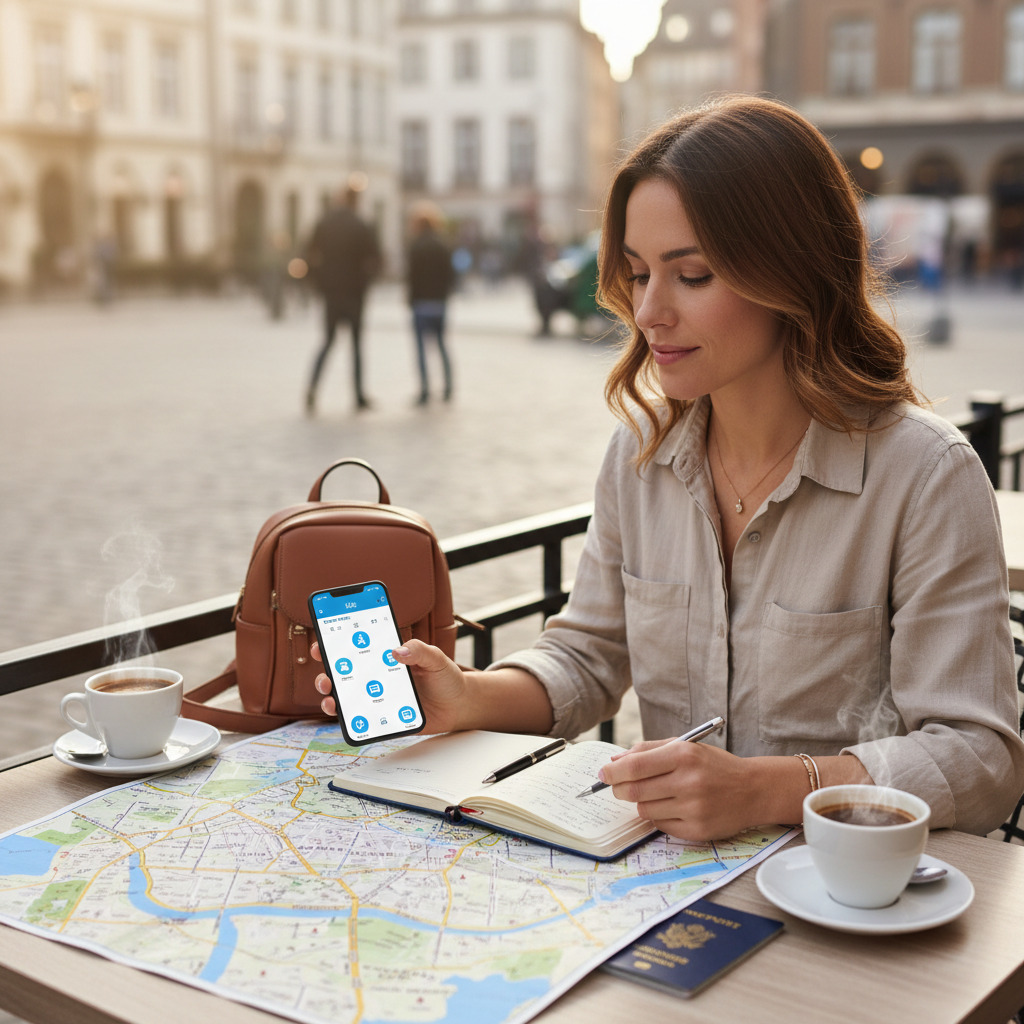
One more thing before we get tactical: a lot of advice online assumes every destination is the same. It’s not. What works for a weekend in Chicago won’t map perfectly onto a late-night arrival in a smaller town abroad. This guide focuses on decisions that stay useful across most places, then flags where you should adjust for your destination.
Plan like a realist: pre-trip choices that prevent 80% of problems
If you only do a few things in advance, do the ones that reduce “arrival friction,” because that’s when people get tired, distracted, and easier to pressure. Many of the best travel tips for solo female travelers are really arrival tips.
- Book your first night in a location you understand. Prioritize easy transit, good lighting, and plenty of foot traffic over “charming but remote.”
- Know how you’ll get from airport or station to your stay. Screenshot directions, save the address in your notes, and confirm what the ride should cost in that city.
- Create a “share pack.” One note you can text to a friend: lodging address, flight numbers, and a simple day-by-day outline.
- Build a buffer. Give yourself an extra hour on arrival days for wrong platforms, slow baggage, or a last-minute lodging change.
According to the U.S. Department of State, travelers should review destination-specific safety information and enroll in STEP for many international trips. That’s not just for emergencies, it also keeps your planning grounded in reality.
Choose lodging with safety in mind (without paying luxury prices)
Lodging is where comfort and safety overlap most. You’re not “being paranoid” if you care about locks, lighting, and staff presence. You’re choosing the kind of trip you want to have.
Quick lodging checklist
- 24/7 reception or easy host contact, especially for late arrivals
- Room access that feels controlled (key card, clear entry process)
- Good reviews about location and noise, not just aesthetics
- Ground floor tradeoff: convenient, but sometimes easier to access from outside; many travelers prefer higher floors when available
If you’re using short-term rentals, read the reviews for details that hint at safety: lighting on the street, stairwell access, who else shares the building, and how hosts handle problems. If anything sounds vague or defensive, keep scrolling.
Get around confidently: transit habits that keep you in control
Transit anxiety is common when you’re alone, and it can push you into rushed choices. A few routines make a big difference, especially at night.
- Arrive with data. If you might lose service, download offline maps and save key addresses.
- Use “pin + code word” with yourself. Drop a map pin where you parked, where you exited the station, or where your ride share picked you up.
- Stand where you can see exits. On platforms or buses, position yourself near other riders and in better-lit areas when possible.
- Trust the “small no.” If a situation feels slightly wrong, it often gets worse when you ignore it.
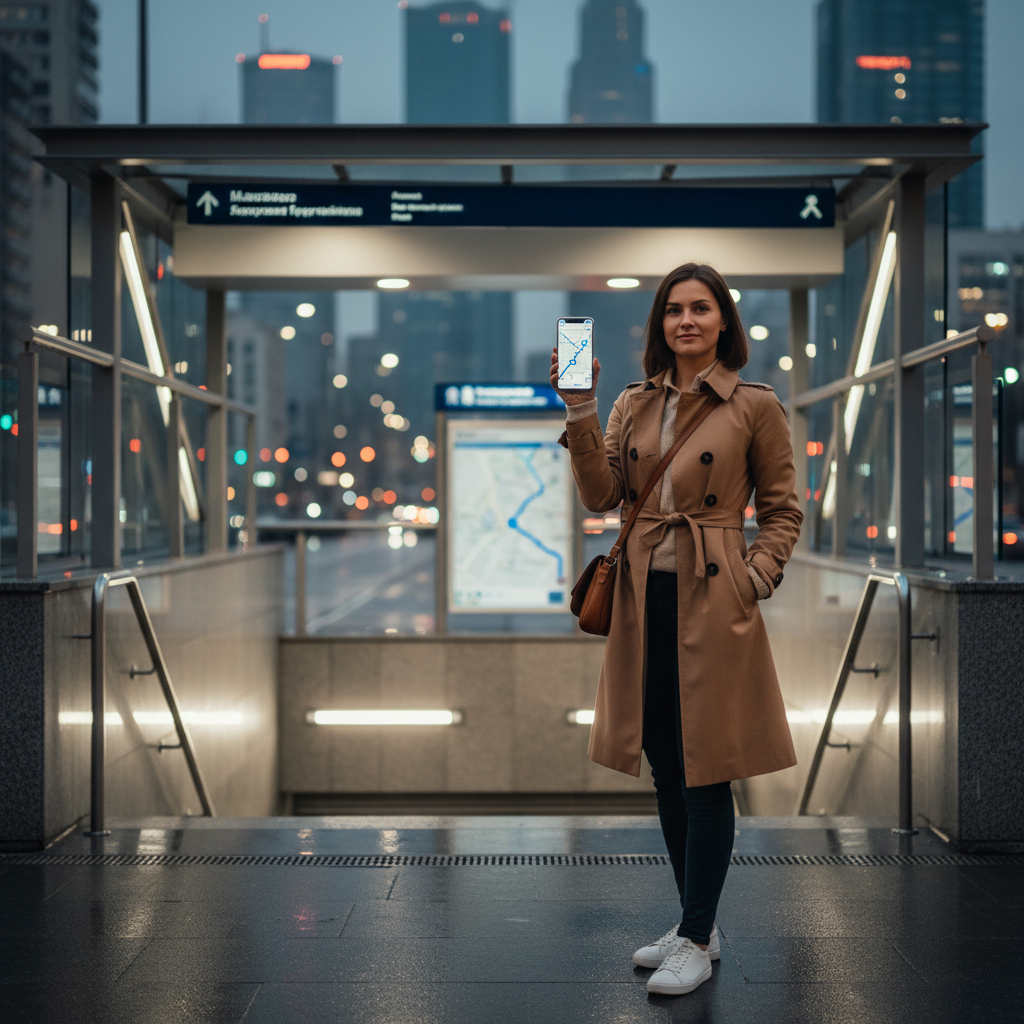
Ride shares and taxis can be fine, but treat them like a system you verify. Confirm the plate, confirm the driver name, and don’t feel awkward about canceling if anything mismatches. That 10-second pause is often one of the best travel tips for solo female travelers in practice.
Safety without losing your social life: boundaries that still feel friendly
Many solo travelers want connection, not isolation. The trick is choosing settings that let you be social with built-in exits.
Places that often work well when you’re alone
- Small group tours (food walks, museum tours, day trips)
- Cooking classes and workshops with a clear start and end
- Busy cafes and hotel bars where staff presence is obvious
- Hostel common areas even if you book a private room elsewhere
When someone asks personal questions, you don’t owe full honesty. Many travelers use “soft privacy,” like saying you’re meeting a friend later, or you’re on a tight schedule. It’s not about lying for fun, it’s about keeping control of your info.
Packing and digital setup that makes solo travel easier
Packing advice gets noisy, so here’s the version that matters when you’re solo: reduce failure points. If you lose one item, you shouldn’t lose your whole trip.
- Two payment methods (card + backup), stored separately
- Portable charger you actually tested, plus the right cable
- Copies of key documents (photo + cloud backup), plus a paper copy if you prefer
- Door safety basics such as a simple door wedge can help in some lodging setups, though it won’t fit every door type
- Medication planning: if you have prescriptions, consider extra time for refills and carry in original containers; for medical questions, it’s smart to consult a clinician
According to the Federal Trade Commission (FTC), strong passwords and multi-factor authentication help reduce account takeover risks. In travel terms: turn on MFA for email and bank accounts, because those two unlock everything else.
A quick self-check: which solo travel style are you right now?
Not everyone needs the same advice. Use this to decide what to focus on before your next trip.
| What you notice | You might be in this mode | Focus on this |
|---|---|---|
| You feel nervous mainly on arrival days | Logistics-stressed | Airport-to-lodging plan, backup route, earlier check-in |
| You want to meet people but second-guess everyone | Social-but-cautious | Group activities, daylight meetups, clear exit lines |
| You’re confident until something weird happens | Unprepared-for-curveballs | Emergency contacts, local numbers, document backups |
| You keep overpacking “just in case” | Control-seeking | Streamline essentials, build redundancy in payment and data |
Practical routines: what to do on day 1, each day, and if plans change
Here’s a simple workflow that stays realistic and doesn’t eat your whole day.
Day 1 routine (15–30 minutes total)
- Walk the block around your lodging in daylight, note a convenience store or cafe you can return to
- Save your lodging pin, nearest transit stop, and a backup spot to call a ride
- Check door and window closures, then decide where you’ll store passport and backup card
Daily routine (2 minutes in the morning)
- Share a rough plan with someone you trust, even if it’s one sentence
- Pick a realistic “home base time,” so you’re not debating late-night decisions while tired
If plans change suddenly
- Pause, then move. Step into a brighter, busier place before you rebook or reroute.
- Use official channels. For transit issues, seek staffed counters or official apps rather than random help.
- Keep proof. Save screenshots of cancellations, addresses, and receipts in case you need support later.
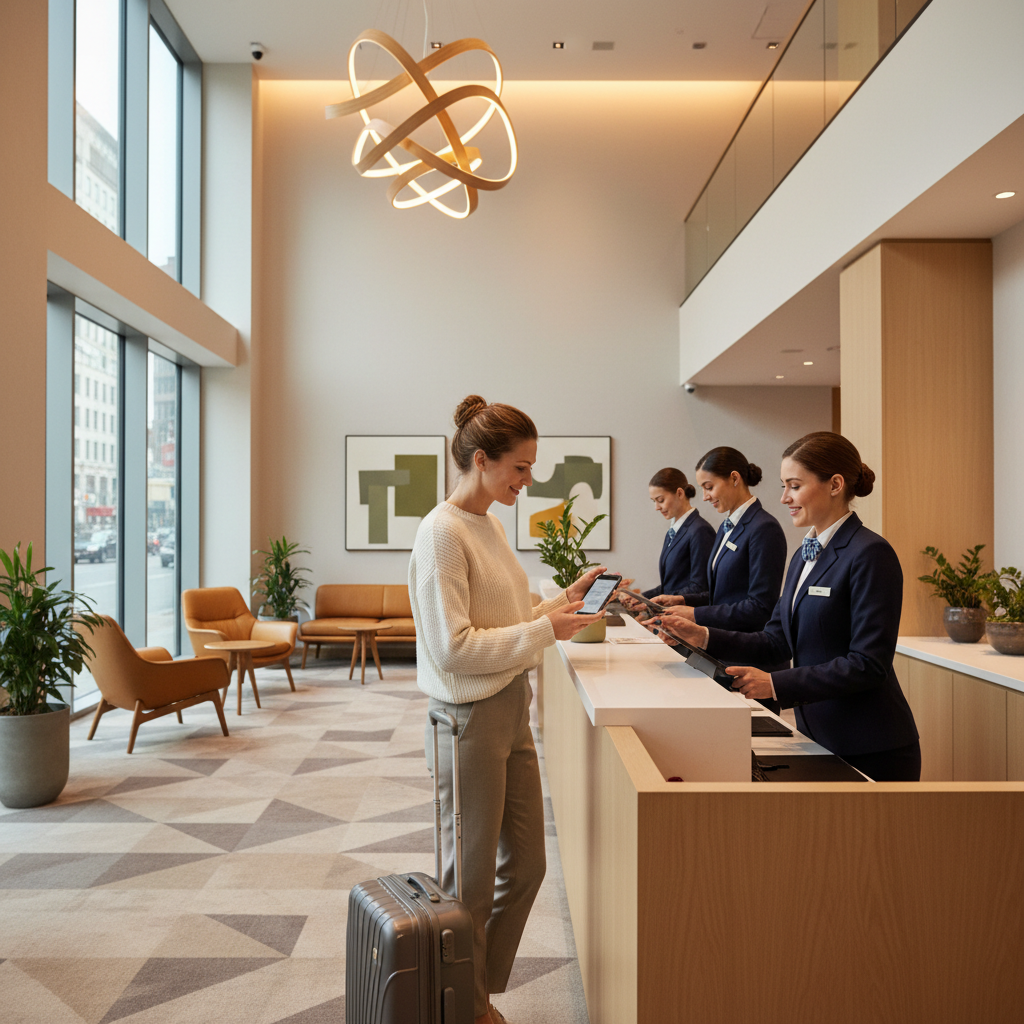
Key takeaways: If you want the best travel tips for solo female travelers in one line, it’s this: make arrival easy, keep your information private by default, and set up small redundancies so one mistake doesn’t snowball.
You don’t have to do everything on this list. Pick two upgrades for your next trip, like a smoother arrival plan and better digital backups, and you’ll feel the difference almost immediately. If you’re planning soon, draft your “share pack” today and choose lodging you won’t dread coming back to at night.
FAQ
- What are the best travel tips for solo female travelers who are doing their first trip?
Start with destinations and neighborhoods that are easy to navigate, then simplify your arrival day so you’re not making big decisions while tired. Confidence usually follows repetition, not motivation. - Is it safer to stay in a hotel or an Airbnb when traveling alone?
It depends on the property and location. Hotels often have more consistent staffing and procedures, while rentals can be great if reviews clearly support safe access and responsive hosting. - How do I meet people without putting myself at risk?
Choose structured social settings like tours and classes, keep first meetups in public places, and avoid giving away your exact lodging details early on. - Should I tell strangers I’m traveling alone?
Many travelers prefer vague answers, especially in transit or near their lodging. You can stay friendly while keeping details minimal, it’s a normal boundary. - What should I do if I feel unsafe during a date or meetup while traveling?
Leave early and move to a staffed, well-lit place, then contact someone you trust. If you feel threatened, consider contacting local authorities; if you’re unsure what to do, ask venue staff for help. - What’s the smartest way to handle money and cards as a solo traveler?
Carry one card and some cash, keep backups separate, and set travel notifications with your bank when relevant. If a card goes missing, you want a quick replacement path. - Do I need travel insurance for solo travel?
Many people find it helpful for medical issues, cancellations, or lost baggage, but coverage varies a lot. Read the exclusions carefully and consider professional advice if you have complex health needs.
If you’re planning a trip and want a more personalized, low-stress checklist, it can help to map your exact arrival route, lodging setup, and daily routine in one place, then adjust based on your destination and comfort level rather than trying to follow generic advice.