
Best travel guide for mauritius 2026 usually comes down to a few practical questions: when to go for the weather you actually like, where to stay without wasting long drive time, and what’s worth paying for versus skipping.
Mauritius can feel “easy” on paper, English signage in many areas, good roads, reliable hotels, but that’s exactly why people overbook, over-move, and end up spending half the trip in transit or hunting for reservations.
This guide focuses on decisions that shape the whole trip: timing, regions, a realistic budget, and a few itinerary templates you can copy, then customize.
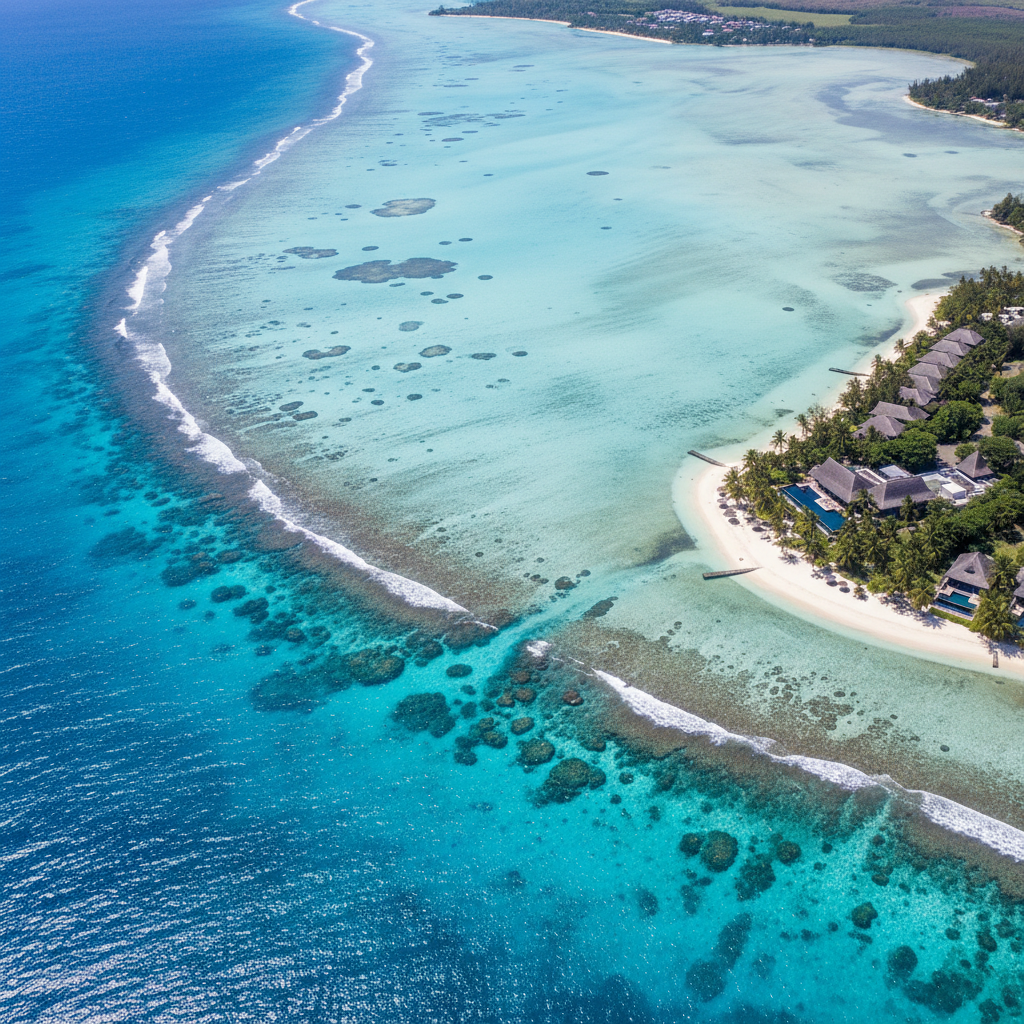
One quick note before we dive in, Mauritius has microclimates, the north can feel sunny while the south stays windy, so “the forecast” matters less than which coast you choose.
What to know before you book: seasons, weather, and vibe
If you only remember one thing from any best travel guide for mauritius 2026, make it this: pick your coast and season together, not separately.
- May to October (drier, cooler): Great for hiking and exploring, the south and east can feel windy, which some people love for kitesurfing.
- November to April (hotter, more humid): Warmer water and a more “tropical” feel, but heavier showers and a higher cyclone risk window.
According to Mauritius Meteorological Services, the cyclone season typically runs from November to April. That doesn’t mean your trip will be ruined, but it does mean you should book flexible policies and avoid stacking nonrefundable tours on consecutive days.
Region vibe matters just as much as weather: the north often feels busier with easier restaurant access, the west is popular for sunsets and calmer seas, the east leans resort-quiet, the south feels wilder and windier.
Where to stay: choosing a base without wasting your days
Most first-timers lose time by switching hotels too often. Mauritius looks small, but traffic and mountain roads make “quick drives” slower than you expect.
Here’s a practical way to choose your base, based on what you plan to do most days.
| Area | Best for | Trade-offs |
|---|---|---|
| North (Grand Baie) | Dining, nightlife, boat trips | Can feel busy, beaches vary |
| West (Flic en Flac / Le Morne) | Sunsets, lagoon time, day tours | Popular resorts book fast |
| East (Belle Mare) | Resort relaxation, long beaches | Fewer casual restaurants nearby |
| South (near Souillac) | Nature, dramatic coastline | Windier, less “swim beach” feel |
If your trip is under a week, one base often works. If you have 8–10 days, two bases can make sense, usually west plus either north or east.
Budget reality for Americans: what costs surprise people
For many US travelers, the sticker shock isn’t the hotel, it’s the add-ons: private transfers, tours, and dining at resort restaurants every night.
- Flights: Often the biggest variable, especially depending on connections and season.
- Transportation: Rental car can be cost-effective, taxis for multiple day trips add up fast.
- Food: Resort dining raises the average, local restaurants and takeaway keep it reasonable.
- Activities: Catamaran days, private guides, and specialty dives can quietly become your second “flight.”
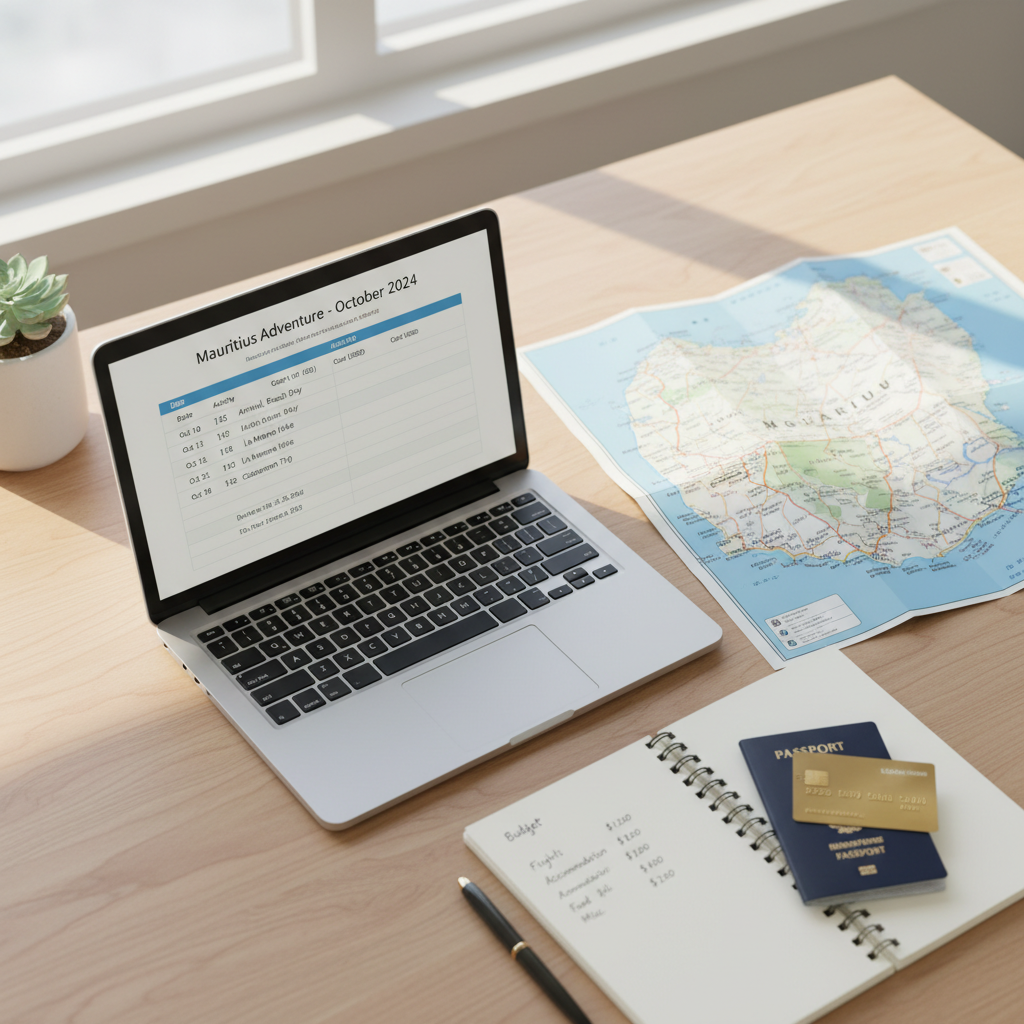
Tip that saves money without feeling restrictive: book a hotel plan that matches your behavior. If you leave the property daily, “all-inclusive” can become an expensive comfort blanket.
If you’re using this as your best travel guide for mauritius 2026 budget baseline, set aside a buffer for weather pivots, you may decide to swap a beach day for a last-minute guided inland day.
Getting around: rental car vs taxi vs tours (and what to expect)
Mauritius drives on the left. Some Americans love the freedom of a rental car, others find it stressful for the first couple of days, especially with roundabouts and narrow village roads.
How to decide quickly
- Choose a rental car if you want beach-hopping, early starts, and flexible stops at viewpoints.
- Choose taxis or hired drivers if you plan a few big day trips and prefer not to navigate.
- Choose organized tours if you want simplified logistics for popular days like catamarans.
According to U.S. Department of State travel guidance, travelers should stay alert on roads and follow local laws. That’s generic advice, but it’s relevant here because driving confidence varies wildly, and fatigue after long flights is real.
One practical compromise many couples like: hire a driver for one “big loop” day inland, then use a rental car or taxis for shorter local moves.
Itineraries that work: 5, 7, and 10 days (copy, then personalize)
It’s easy to plan Mauritius as a checklist. A better approach is to keep a beach rhythm, then anchor one “adventure” block every other day.
5 days (one-base trip, minimal transit)
- Day 1: Arrival, easy beach, early night
- Day 2: Catamaran or lagoon day
- Day 3: Inland highlights, viewpoints, local food
- Day 4: Beach plus a short hike or cultural stop
- Day 5: Slow morning, departure
7 days (one base or two close bases)
- Add: a south-coast nature day, plus one “no plans” day
- Swap: one tour for a self-guided beach circuit
10 days (two bases, better variety)
- Base 1 (North or West): boat days, dining, easy beaches
- Base 2 (East or South-adjacent): quiet beaches, nature, slower pace
- Include: one weather buffer day so you can reschedule the ocean activity
People searching for the best travel guide for mauritius 2026 often want “the perfect route,” but Mauritius rewards leaving space. The island is at its best when you stop rushing between spots.
Book-it-yourself checklist: a simple planning workflow
This is the part most guides skip, the small ordering mistakes cause the big headaches.
- Step 1: Pick your season window and coast preference (windy-active vs calm-lagoon).
- Step 2: Choose 1–2 bases, then map day trips from each base.
- Step 3: Book flights and lodging with reasonable change terms.
- Step 4: Reserve any “limited capacity” days (popular boat trips, special dining).
- Step 5: Add transport last, once your days are real, not hypothetical.
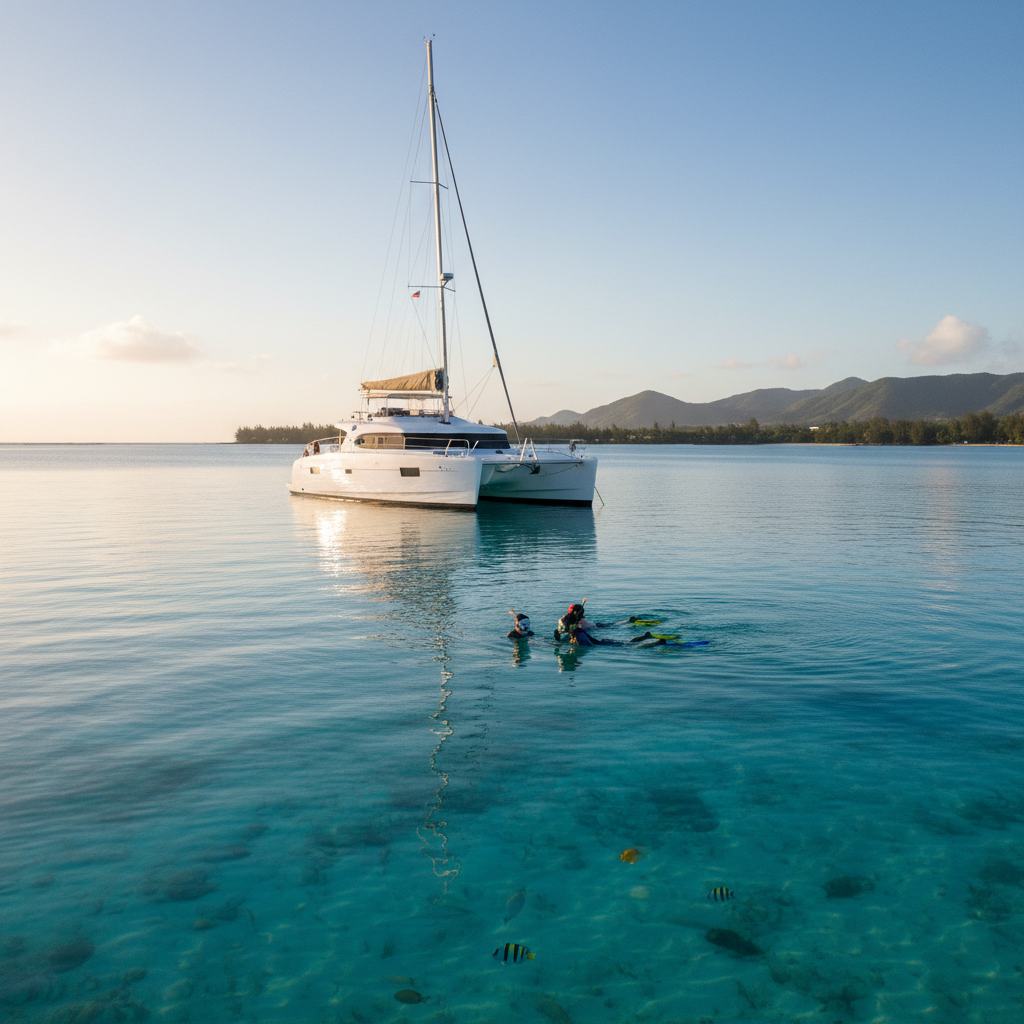
Key point: Put ocean activities earlier in the trip when possible, if weather shifts you still have time to move them.
If you’re traveling during the hotter months, keep midday flexible, heat and humidity can change what feels fun. If you have medical concerns, it’s smart to check with a medical professional before long hikes or intensive water sports.
Safety, health, and common mistakes (what experienced travelers watch for)
Mauritius is generally seen as a comfortable destination for tourists, but “comfortable” can make people careless.
- Sun and water: UV can feel intense even on breezy days, reapply sunscreen and plan shade breaks.
- Ocean conditions: Lagoon areas feel calm, outer reef zones can have currents, follow local guidance.
- Valuables: Basic travel habits still matter, don’t leave phones and wallets unattended on beaches.
- Over-scheduling: The #1 mistake, too many “must-dos” and not enough recovery time.
According to World Health Organization (WHO), travelers should review health risks and recommended precautions for destinations in advance. In real life, that often means checking routine vaccines, mosquito avoidance, and travel insurance terms that match your activities.
For planning, the best move is not fear, it’s clarity: know your limits, keep buffers, and ask your hotel or tour operator about conditions on the day.
Conclusion: how to make Mauritius feel easy (without making it boring)
A good Mauritius trip is less about cramming in every viewpoint and more about getting the big decisions right: season plus coast, one or two smart bases, and just enough structure to protect your time. If you want to use this best travel guide for mauritius 2026 as your next step, pick your travel month and base area today, then build everything else around that.
Action ideas: Choose one “ocean day,” one “inland day,” and one “do-nothing day” on your calendar, then fill the gaps only if you still feel excited.