
Urban park travel spots city searches usually come from one simple problem, you want a real break inside a big city, but you don’t want to waste half a day on the wrong park, the wrong entrance, or the wrong timing.
Good city parks aren’t all interchangeable, some feel like a postcard, some feel like a neighborhood living room, and some are basically outdoor museums with trails, gardens, and programming. If you match the park to your trip style, you get an “instant reset” without needing a car, reservations, or a big budget.
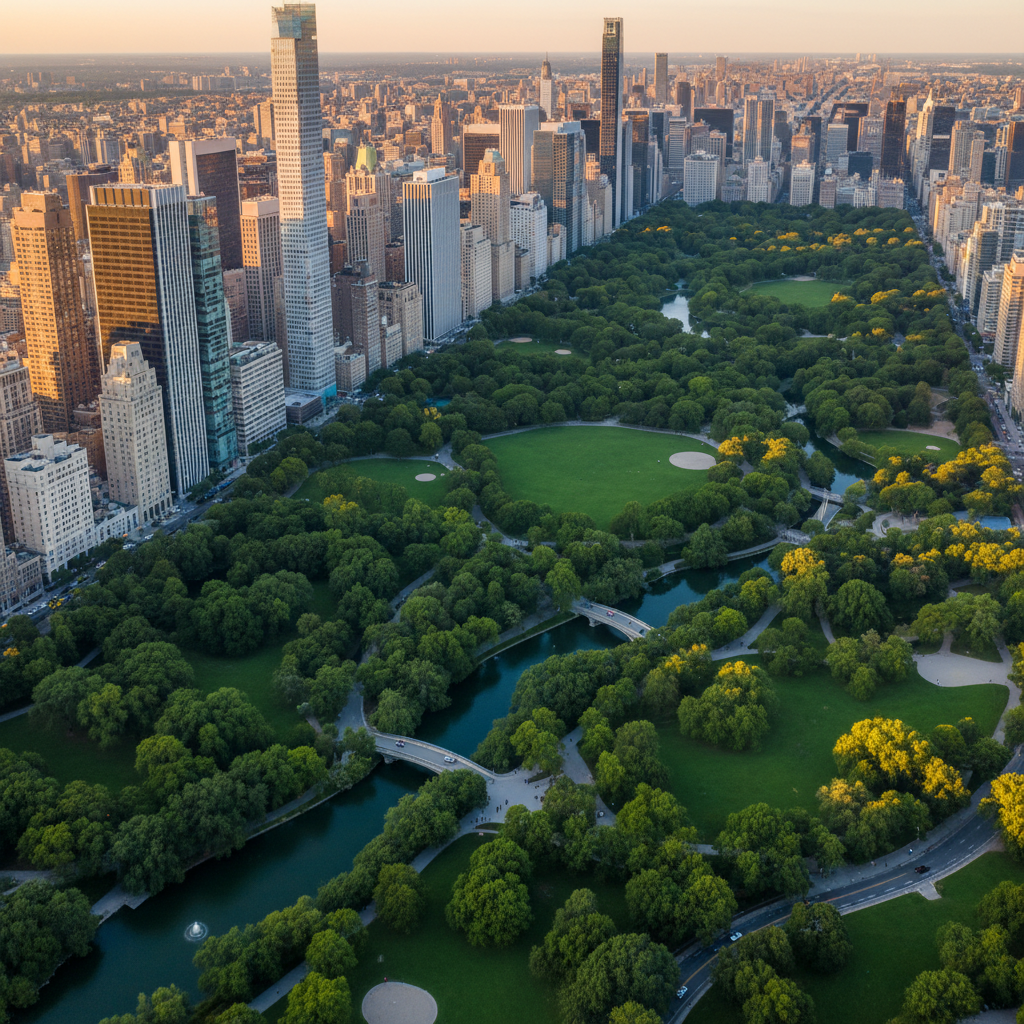
This guide helps you pick urban parks with more intention, what to look for, how to plan a visit that actually feels restful, plus a quick checklist and a comparison table you can use while you’re building your itinerary.
What makes an urban park worth traveling for
When people say “must-see park,” they often mean very different things. In big cities, the best visits usually come from choosing a park that fits one of these travel motivations.
- Iconic scenery: skyline views, famous bridges, landmark lawns, seasonal displays.
- Walkability and access: multiple subway stops, clear entrances, safe-feeling routes, nearby food and restrooms.
- Something to do: museums, conservatories, boat rentals, playgrounds, markets, concerts.
- A real nature pocket: wooded trails, birding areas, water edges, quieter loops.
According to National Park Service guidance on visitor planning and safety, trips tend to go better when you prepare for conditions, respect posted rules, and choose activities that match your group’s ability level.
Quick self-check: which “park day” are you actually trying to have?
Before you pin ten parks on a map, pick the type of afternoon you want. This avoids the common trap of cramming an enormous park into a tiny window, then leaving tired and annoyed.
Pick your priority (one is enough)
- “I want the famous view.” Choose an iconic central park, go early, and plan one photogenic route.
- “I want to move.” Choose a park with clear loops, waterfront paths, or connected greenways.
- “I’m traveling with kids.” Prioritize playground density, bathrooms, shade, and stroller-friendly paths.
- “I want calm.” Look for arboretums, botanic gardens, ravines, or less-hyped entrances.
- “I want culture too.” Parks with museums, historic districts, or performance spaces win here.
If your answer keeps changing, build a two-park plan, one iconic, one quiet, and keep them near your hotel or next attraction.
Comparing urban park travel spots in big cities (use this table)
Not every park functions the same way on a travel day. Use this as a practical filter while you shortlist options for an urban park travel spots city itinerary.
| Park style | Best for | Typical time needed | What can go wrong | Simple fix |
|---|---|---|---|---|
| Iconic central park | First-time visitors, landmarks | 2–4 hours | Overplanning, long walks | Pick one “spine” route and one stop |
| Waterfront park | Sunset, biking, skyline photos | 60–120 minutes | Wind, limited shade | Layer up, bring water, sit-breaks |
| Botanic garden / conservatory | Seasonal color, quiet | 90–180 minutes | Ticketing, timed entry | Check hours, book ahead when needed |
| Neighborhood green | Local vibe, picnic, people-watching | 45–90 minutes | Not “Instagram famous” | Pair with nearby coffee or market |
| Urban forest / ravine park | Trail feel without leaving town | 2–3 hours | Getting turned around | Download map, choose marked loops |
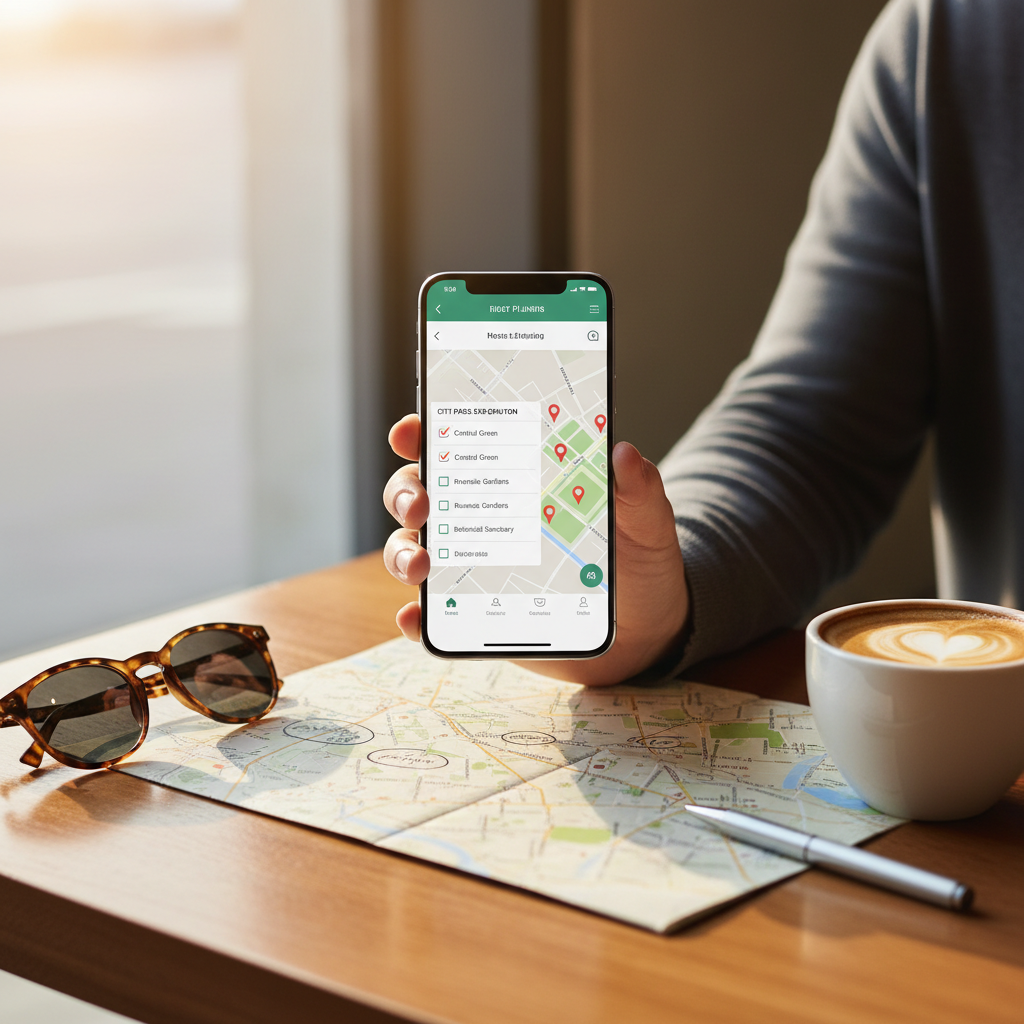
Key takeaway: don’t compare parks by size or fame alone, compare them by the experience they deliver in the time you realistically have.
How to plan a park visit that feels easy, not like another chore
Most “bad park days” come from friction, you arrive hungry, you can’t find the right entrance, you walk too far without realizing it, then you cut the visit short. A few small decisions prevent that.
Practical planning steps
- Choose the entrance on purpose: pick an entrance near your next stop, not near the most famous photo.
- Build a 2-stop route: one highlight plus one rest point, like a lake bench, café, or garden.
- Time it around comfort: mornings tend to be calmer, late afternoons often deliver better light and fewer tour groups.
- Plan for bathrooms and water: it sounds basic, but it decides whether your group stays relaxed.
- Keep a “bail-out option”: a nearby museum, bookstore, or food hall if weather turns.
According to Centers for Disease Control and Prevention (CDC) heat guidance, on hot days it’s smart to limit strenuous activity, hydrate, and take shade breaks; if you have medical concerns, it’s reasonable to check with a clinician about heat risk.
On-the-ground tips: getting the most out of a big-city park
Once you’re inside, the goal is to settle into the place instead of speed-running it. This is where many visitors accidentally turn a park into a checklist.
Do this if you want a calmer experience
- Walk 10 minutes away from the main gate before judging the crowd.
- Use “destination benches,” pick a spot, sit for 10 minutes, then decide the next move.
- Look for secondary attractions, small bridges, side gardens, and lesser-known overlooks.
Do this if you’re chasing photos
- Pick one signature viewpoint and one “texture” area, like a grove, a boathouse, or a sculpture garden.
- Golden hour helps, but mid-day works if you lean into shade, tree tunnels, and reflections near water.
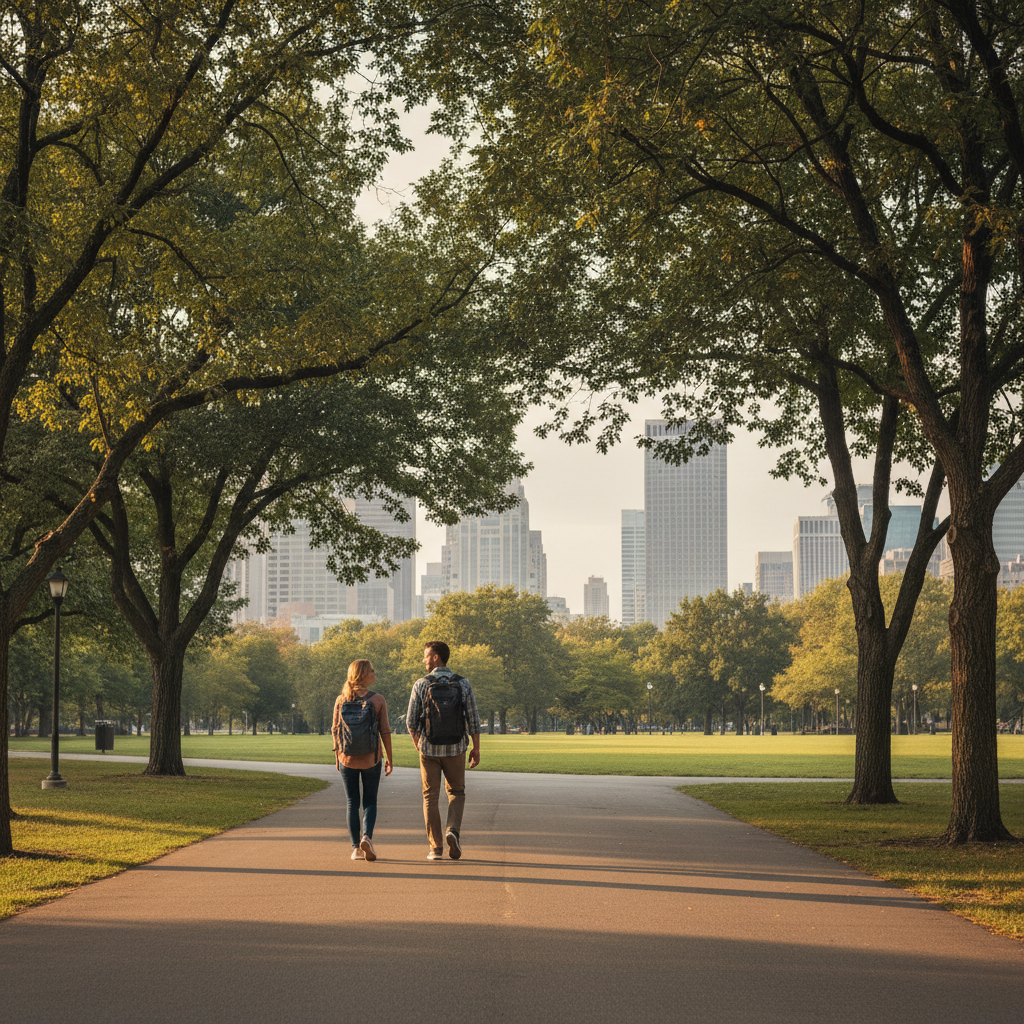
Small but real win: if the park has a loop, do the loop first, then decide whether you want to add extras, you’ll feel less “lost” and more in control.
Common mistakes (and what to do instead)
These show up again and again in urban park travel spots city planning, especially for first-time visitors trying to squeeze a park between two timed attractions.
- Mistake: treating the biggest park as the only worthwhile park.
Try: one big-name park plus one neighborhood green near dinner. - Mistake: assuming you can “see it all” in 45 minutes.
Try: a single corridor walk with a clear endpoint. - Mistake: ignoring microclimates, waterfront wind, summer heat, sudden rain.
Try: layers, packable rain shell, and a backup indoor stop. - Mistake: entering without a plan, then walking until your feet complain.
Try: pick two pins, highlight and rest, and keep everything else optional.
When it makes sense to get extra help or local input
Most park visits don’t need a guide, but a little outside help can save you time and stress in a few situations.
- Mobility or accessibility needs: ask the park, city services, or your hotel concierge about step-free routes and accessible restrooms, conditions can change with construction.
- Large groups: a local itinerary planner or guided walk can reduce “herding cats,” especially with kids or seniors.
- Safety concerns: if you feel unsure about routes after dark or certain areas, stick to well-trafficked paths and consider advice from local visitor centers; for immediate risk, contact local authorities.
- Permits and special activities: shoots, events, or organized sports sometimes require permits, check the official park website.
Conclusion: build your city trip around one great park moment
Urban parks work best on a trip when you stop forcing them to be everything at once, pick a park that matches your mood, choose the right entrance, commit to one highlight, and give yourself permission to sit and enjoy it.
If you want a simple next step, save two options in your map app, one iconic and one quiet, then decide on the day based on weather and energy, it’s a small habit that makes urban park travel spots city planning feel a lot more human.
FAQ
What are the best times of day to visit urban parks in big cities?
Mornings often feel calmer and cooler, while late afternoon can be great for photos and people-watching. Midday works if you plan shade breaks and keep the route short.
How do I choose between an iconic park and a smaller neighborhood park?
If it’s your first trip, an iconic park usually delivers the “I’ve seen this place before” feeling. If you want a slower, local vibe, smaller parks can be more relaxing and easier to navigate.
Are urban park travel spots city-friendly for families with kids?
Many are, but the experience depends on bathrooms, shade, playground access, and how far you need to walk between them. A short loop plus one playground stop tends to work better than a cross-park hike.
What should I pack for a city park day?
Water, a light layer, comfortable shoes, and a small snack cover most situations. In summer, sun protection helps; in colder months, wind near water can feel stronger than you expect.
How can I avoid crowds at popular city parks?
Use less-famous entrances, arrive early, and spend more time in secondary areas like gardens or wooded trails. Many parks thin out quickly once you walk 10 minutes from the main gate.
Do I need to worry about safety in urban parks?
Safety varies by city and even by time of day. Staying on well-used paths, keeping valuables discreet, and following local guidance is usually sensible; if you’re uncertain, ask your hotel or a visitor center for current advice.
Can I do a “park + museum” day without rushing?
Yes, if you treat the park as a focused reset, not a full-day mission. A 60–90 minute park loop before a timed museum entry often feels balanced.
If you’re planning a trip and want a more tailored shortlist, like parks that fit your neighborhood, season, walking tolerance, and photo priorities, it can be worth using a simple planning template or local itinerary help so your park time feels restorative instead of squeezed between reservations.