
Best travel guide for maldives 2026 usually comes down to one thing: matching the right island and resort style to how you actually travel, not how the photos look on Instagram.
If you’re planning from the U.S., the Maldives can feel deceptively simple—pick a resort, book flights, done. But most trip stress happens in the details: seaplane rules, transfer timing, what’s really included in meal plans, and how weather affects the experience.

This guide is written to help you choose fast and book with fewer surprises: where to stay (resort vs local island), when to go, what to budget for beyond the headline price, and a practical checklist you can reuse.
Key takeaways: plan transfers as carefully as flights, don’t assume all-inclusive means the same thing everywhere, and pick your season based on what you care about more—blue skies or lower rates.
What’s new (and what still matters) for Maldives trips in 2026
In 2026, the Maldives is still the Maldives: small islands, big water, and logistics that can make or break the first day. The biggest difference most travelers notice year to year is pricing and availability, especially for popular resorts during winter peak dates.
What still matters more than trends is the basics: transfer type, room category, meal plan details, and your tolerance for weather variation. If you get those four right, most trips feel smooth.
- Transfers: seaplane and speedboat schedules drive check-in and check-out reality.
- Inclusions: “all-inclusive” may exclude premium drinks, specialty dining, or excursions.
- Island style: some islands feel lively, others feel like a quiet reset button.
- Weather: you’re booking a season, not a single day of sunshine.
Best time to visit: weather, pricing, and what you’re optimizing for
Most U.S. travelers aim for the dry season because it lines up with winter escapes. That’s reasonable, but it’s not the only good window. Shoulder season can feel like a smart compromise if you’re flexible and prefer value.
According to Maldives Meteorological Service, the country has distinct monsoon patterns, and conditions vary by month and atoll. Translation: expect variability, and book activities with some buffer.
A simple way to choose your dates
- If you want the highest chance of clear skies: aim for peak dry-season weeks, accept higher pricing.
- If you want better deals with decent weather: target shoulder months, plan a few indoor or spa-friendly backups.
- If you dive or snorkel: consider what you want to see, visibility and marine life can vary by season and location.
One practical tip: when comparing options, judge value by total trip cost (including transfers and meals), not just nightly rate.
Resort island vs local island: how to pick without regret
This is where the “best travel guide for maldives 2026” advice tends to get vague online, so here’s the honest version: choose a resort island when you want frictionless comfort, choose a local island when you want cultural texture and cost control.
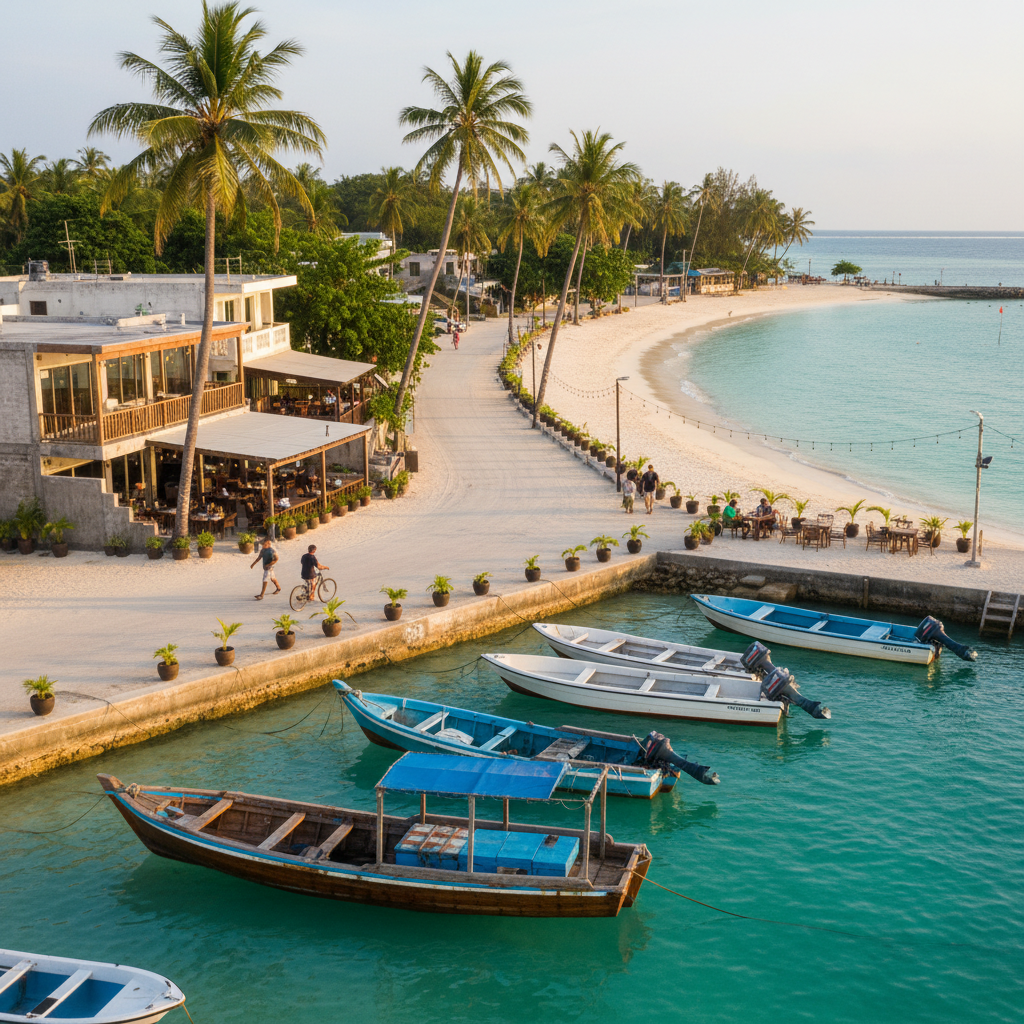
Quick comparison
| Decision factor | Resort island | Local island (guesthouse) |
|---|---|---|
| Vibe | Private, curated, quiet | More local life, more variety |
| Budget control | Predictable if meal plan fits | Often lower lodging, pay as you go |
| Beach access | Usually excellent on-property | Some islands have designated bikini beaches |
| Logistics | Resort manages transfers | You manage ferries/speedboats more actively |
If you’re torn, a split stay often works: a few nights on a local island to explore, then finish at a resort for the classic overwater-villa feel.
Budgeting that actually matches reality (flights, transfers, meal plans)
The Maldives is rarely expensive in one obvious way, it’s expensive in a handful of “oh right” line items. Transfers are the classic surprise, especially if a seaplane is required.
What to price out before you book
- International flights: watch for long layovers, and keep arrival time in mind for same-day transfers.
- Domestic flight + speedboat or seaplane: this can add a meaningful amount per person.
- Meal plan: half board vs full board vs all-inclusive varies a lot in real-world value.
- Taxes and service charges: verify what’s included in your rate vs paid at checkout.
- Excursions: snorkeling trips, dolphin cruises, and private sandbanks can stack up fast.
Many travelers like all-inclusive for peace of mind, but check the fine print. If you’re not a big drinker or you plan to be out on excursions most days, a lighter plan can be more rational.
How to choose the right resort or hotel: a practical checklist
Pick your non-negotiables first, then filter. Most disappointment comes from choosing a place based on one hero photo and ignoring the daily experience.
Self-check: you’ll probably be happiest if you prioritize…
- House reef access: if snorkeling is your main event, you want an easy entry point and healthy reef sections.
- Lagoon vs reef: lagoons look dreamy for floating and paddleboarding, reefs matter for underwater life.
- Room layout: overwater villas feel iconic, beach villas can be more practical for families.
- Dining options: limited restaurants can feel repetitive on longer stays.
- Transfer comfort: if you dislike small planes or rough seas, choose accordingly.
Also worth checking: whether construction or renovations are planned during your dates. It’s not always a dealbreaker, but it can change the vibe.
7-day Maldives itinerary ideas (couples, families, divers)
Here are three structures that work in real life. Adjust the order based on transfer timing and how quickly you want to “do nothing.”

Option A: Classic couples’ week (resort-focused)
- Day 1: Arrive, transfer, easy dinner
- Day 2: Lagoon day, sunset cruise
- Day 3: Snorkel excursion or house reef day
- Day 4: Spa or private beach dinner
- Day 5: Sandbank or photo session
- Day 6: Free day, shop, repeat favorite restaurant
- Day 7: Buffer for weather, depart
Option B: Family-friendly week (less pressure, more routine)
- Build in pool time daily, plan one “big” excursion every other day
- Choose easy-entry beaches, confirm kids’ club hours and babysitting policies
- Keep meal plans simple, aim for early dinners to reduce stress
Option C: Divers’ week (operator-first planning)
- Pick resort/guesthouse based on dive center reputation and boat schedule
- Place deeper dives earlier, keep the last 24 hours conservative before flying
- Ask about currents and experience level expectations, sites vary a lot
On the diving point, keep it conservative: According to Divers Alert Network (DAN), leaving adequate time between diving and flying helps reduce decompression illness risk, and you should consult a dive professional for personal guidance.
Essential packing, etiquette, and safety notes Americans often miss
This part is less glamorous, but it saves trips. A lot of “issues” in the Maldives are small preventable friction points.
Packing essentials that pay off
- Reef-safe sunscreen (many resorts encourage it, and you’ll use more than you think)
- Light rain layer even in dry season, storms can pass quickly
- Water shoes if your island has coral entry points
- Motion sickness support if you’re sensitive on speedboats, ask a pharmacist for options
- Travel plug adapter and a small power strip for charging
Local etiquette basics
- On local islands, dress modestly away from designated beach areas
- Alcohol availability differs: resorts serve it, local islands often do not
- Ask before photographing people in non-tourist settings, it keeps things respectful
For entry rules, health requirements, and advisories, rely on official sources close to departure. According to U.S. Department of State, travelers should review destination-specific travel information before international trips, and consider travel insurance that matches planned activities.
Booking steps you can follow (and where people waste money)
If you want a smoother planning flow, lock the constraints first, then shop the fun parts. In many cases, flights and transfers limit your resort options more than the other way around.
A no-drama booking sequence
- Step 1: choose travel window with 1-2 backup date ranges
- Step 2: shortlist islands by transfer type and total travel time
- Step 3: compare meal plans using real daily behavior, not wishful thinking
- Step 4: confirm transfer cutoffs for arrivals, especially evening landings
- Step 5: reserve excursions after you know your energy level and weather forecast
Common money leaks
- Booking a great rate, then paying premium prices for transfers and meals later
- Overbuying all-inclusive when you barely use the inclusions
- Ignoring cancellation terms for flights and resorts, then paying change fees when plans shift
If you want one rule from this best travel guide for maldives 2026, make it this: price your trip as a bundle, then decide what matters enough to upgrade.
Conclusion: a smarter way to plan your Maldives trip in 2026
A Maldives trip feels effortless when you choose your island style early, treat transfers as part of the itinerary, and budget based on the total cost instead of the nightly rate. Get those right and the rest is just preference.
If you’re planning now, do two things this week: build a shortlist of 3 properties that fit your transfer comfort level, then request or review meal plan details line by line. That’s where most surprises hide, and it’s also where you can save the most without making the trip feel smaller.