
best travel guide for iceland 2026 is really about one thing, cutting through “do everything” itineraries so you can plan around weather, daylight, and driving limits without missing the spots you came for.
If you’ve ever tried to map Iceland, you know the trap, everything looks close on a map, then you realize a single “quick stop” can turn into two hours, and a windy day can change your whole plan. That’s why a good guide focuses less on a perfect route and more on smart decisions you can adjust.
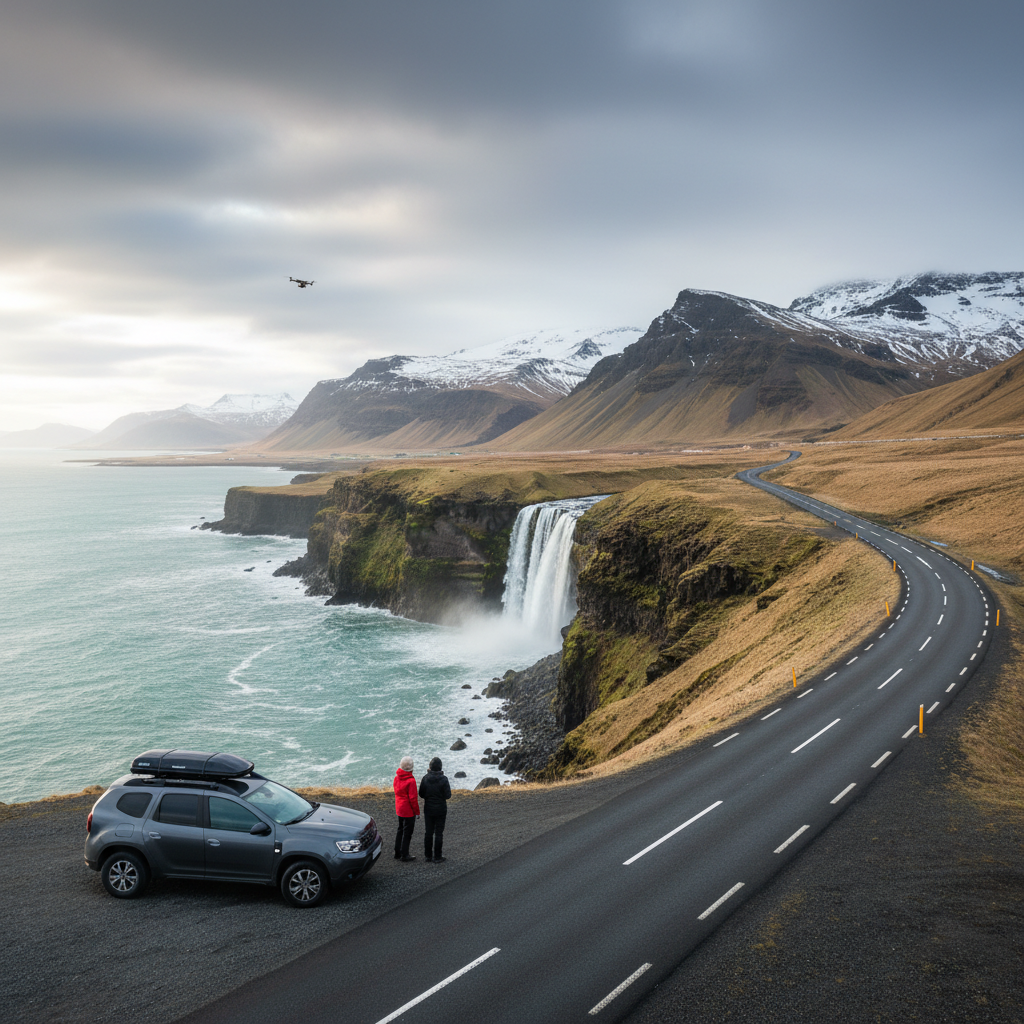
This guide is built for U.S. travelers who want a clear route choice, realistic timing, cost expectations, and a few “if this happens, do that” backups. No guilt, no overpacking your days, just a plan that holds up when Iceland acts like Iceland.
What to lock in first (before you build an itinerary)
Most Iceland planning problems come from choosing attractions first, then trying to force flights, lodging, and driving around them. Flip it, lock your constraints, then fill in highlights.
- Trip length: 4–5 days usually stays in the south and Reykjavík, 6–8 days can do a fast Ring Road with compromises, 9–12 days feels more comfortable for the full loop.
- Season and daylight: winter trips often mean fewer hours of safe driving, summer can mean long days and easier pacing.
- Driving comfort: your tolerance for wind, narrow roads, and long stretches matters more than you think.
- Booking window: in many cases, summer lodging and popular experiences sell out earlier than people expect.
According to SafeTravel (Icelandic Association for Search and Rescue), travelers should monitor conditions and warnings daily, since weather and road closures can change quickly. That single habit prevents a lot of “we didn’t know” stress.
Pick your route style: three Iceland itineraries that actually work
Rather than giving you one rigid plan, here are three route styles you can build around. Each works well if you respect driving time and keep one flex block daily.
Option A: Reykjavík + Golden Circle + South Coast (4–6 days)
- Best for first-timers, short PTO windows, and winter travel
- Highlights: Þingvellir, Geysir area, Gullfoss, Seljalandsfoss, Skógafoss, Reynisfjara, maybe Jökulsárlón if you push east
- Reality check: the South Coast gets crowded mid-day, go early or late when possible
Option B: Ring Road “lite” (7–9 days)
- Best for people who want the full loop but accept long days
- Highlights: add North Iceland (Akureyri area), Mývatn region, plus Eastfjords drive-by stops
- Reality check: you’ll do more driving than you’ll admit to friends, plan shorter attraction lists
Option C: One region, deeper (7–10 days)
- Best for repeat visitors, photographers, and slower travel
- Ideas: Westfjords, Snæfellsnes + North, or South + Highlands day tours
- Reality check: some regions have fewer services, so fuel and food planning matters
When to go in 2026: what each season is really like
Season choice impacts everything, price, crowds, driving risk, even whether your “must-do” is available.
- Winter (Nov–Mar): aurora chances rise, but storms and ice can disrupt plans. Keep driving modest and build buffer days.
- Shoulder (Apr–May, Sep–Oct): often a sweet spot for fewer crowds and decent conditions, though weather can still swing fast.
- Summer (Jun–Aug): long daylight makes logistics easier, but prices and demand climb. Book popular stays earlier.
According to the Icelandic Meteorological Office, forecasts and warnings are updated frequently and should be checked during travel planning and each travel day. If you’re not used to wind, Iceland’s gusts can be the surprising part, more than cold.
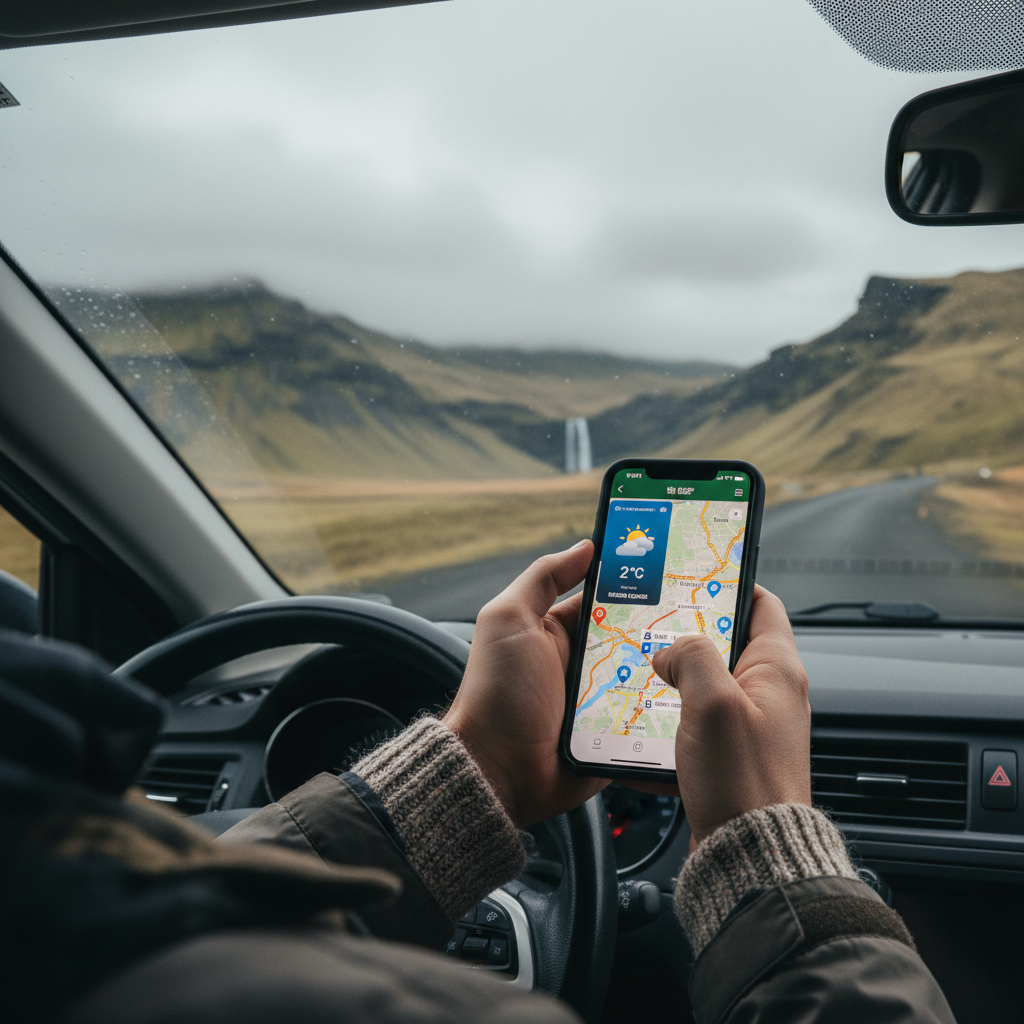
If you’re choosing purely for comfort, many U.S. travelers find late spring or early fall easier, still dramatic landscapes, fewer crowds, and less “midnight sun messes with my sleep” fatigue.
Budget and booking: realistic costs, what to reserve, and what to keep flexible
Iceland can feel pricey, but the real budget wins usually come from fewer last-minute changes and smarter lodging strategy, not from trying to “cheap your way out” of everything.
| Category | Typical cost drivers | Where you can save without pain |
|---|---|---|
| Lodging | Location, summer demand, private bath | Stay 10–20 minutes outside hotspots, mix hotels with guesthouses |
| Car + fuel | 4x4 vs 2WD, insurance choice, distance | Choose route that matches car type, avoid unnecessary backtracking |
| Food | Restaurant frequency, alcohol | Grocery breakfasts, bring a reusable bottle, pick 1 “nice meal” per day |
| Tours | Glacier/ice cave demand, group size | Book 1–2 priority tours, keep the rest self-guided |
Reserve early when your trip depends on it: lodging in small towns, rental car class, ice caves in peak season, and any tour with limited daily capacity.
Keep flexible what’s weather-sensitive: beaches, viewpoints, long hikes, and some boat trips. In a best travel guide for iceland 2026, flexibility is not a vibe, it’s your backup plan when the forecast shifts.
Driving, safety, and “don’t get humbled” rules
Driving is the make-or-break factor for many itineraries. It’s not that the roads are impossible, it’s that people underestimate wind, visibility, and how tiring it feels to stay alert for hours.
- Assume slower average speeds than you’d do in the U.S., especially in poor weather.
- Check roads daily: According to the Icelandic Road and Coastal Administration (IRCA), road conditions and closures are published and updated, use them before you commit to a long drive.
- Respect wind alerts: wind can affect door opening and vehicle handling, especially with larger rentals.
- F-roads are a different category: if you don’t know what that means, you probably shouldn’t plan on them without research and the right vehicle.
If you have medical conditions, are pregnant, or worry about cold exposure and slips, it’s smart to ask a medical professional about activity limits for hikes, glacier walks, and hot springs. Iceland looks gentle in photos, but real surfaces can be slick.
Fast self-check: which Iceland trip type fits you?
This is the “be honest” section. A lot of planning stress disappears once you stop forcing a trip style that doesn’t match your travel personality.
- You should stay south if you get carsick, dislike long drives, or you’re traveling in winter with limited buffer days.
- You can attempt the Ring Road if you’re comfortable swapping a few attractions for extra rest and you can handle a long driving day if weather forces it.
- You should go region-deep if you hate changing hotels every night, want slower mornings, or care more about “being there” than checking boxes.

If you’re stuck between two styles, pick the one with fewer daily miles and more “optional stops.” You’ll still see plenty, and you’ll enjoy it more.
Practical packing and planning tips U.S. travelers tend to overlook
A good packing list isn’t long, it’s specific. Iceland rewards “layer logic” more than bulky gear.
- Waterproof outer layer matters more than a heavy coat, waterfalls and wind-driven rain are common.
- Footwear: grippy, water-resistant hiking shoes cover most itineraries.
- Power and connectivity: check plug adapters, and consider offline maps for remote areas.
- Hot springs etiquette: many pools require showering before entry, plan time for it.
Key takeaways: build around daylight and driving, book what has limited capacity, keep one flexible block daily, and treat weather checks as part of the routine. That’s the difference between a stressful loop and a trip that feels easy.
Conclusion: a simple way to plan your Iceland trip without overthinking
If you want the best travel guide for iceland 2026 to be useful, it should help you choose a route you can actually sustain, then keep your plan resilient when conditions change. Start by picking one itinerary style, reserve your non-negotiables, and leave breathing room for weather and mood.
Your next step can be simple: choose your dates, decide “south-only vs full loop,” then draft a day-by-day outline with one optional item per day. Once that skeleton feels calm, add the fun stuff.