
Solid conditioner bar travel works because it cuts liquid leaks, saves space, and still gives hair slip and softness—if you pick the right bar and pack it smart.
If you have ever opened a toiletry bag to find a conditioner cap popped off, you already get the appeal. Bars are simple, but they are not all the same, and travel adds extra friction: hard water, hotel shampoo, dry airplane air, plus the temptation to skip conditioning entirely.
This guide breaks down what actually matters: how to choose a bar for your hair type, how to use it so it does not feel waxy, and how to store it so it dries fast instead of turning into mush. You will also get a quick checklist, a comparison table, and a no-drama travel routine you can repeat.
Why solid conditioner bars make sense for travel (and when they don’t)
For most trips, the biggest win is practical: a bar stays under TSA liquid limits, and it is far less likely to explode in your carry-on. You also control how much product you bring, which helps when you are hopping between places and repacking often.
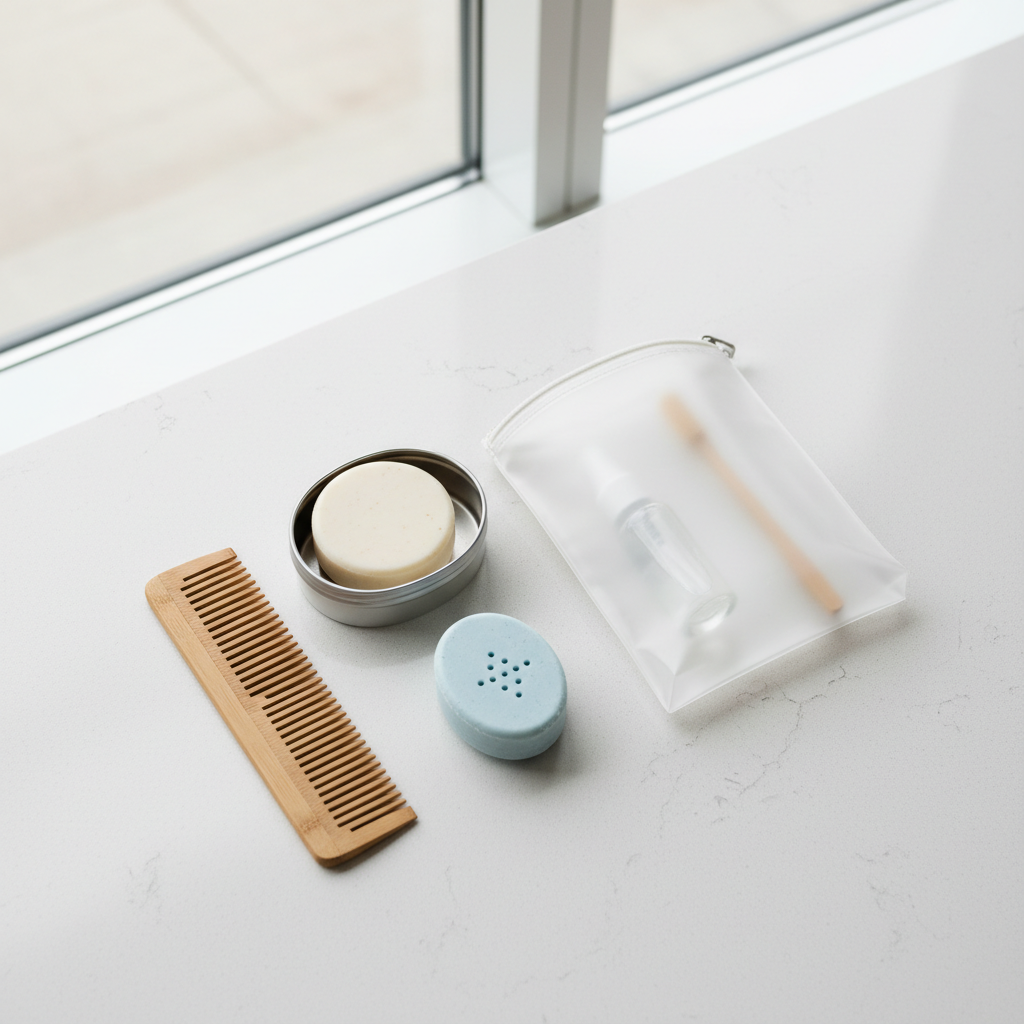
There are a few cases where a bar can be annoying: very thick, low-porosity hair that already struggles with buildup, extremely hard-water destinations, or travelers who cannot reliably dry the bar between uses. In those situations, a small silicone-free liquid conditioner or a leave-in may feel easier.
Key takeaways:
- Best for: carry-on travel, minimal packing, gym bags, weekend trips, and anyone tired of leaks
- Trickiest for: heavy buildup-prone hair, ultra-hard water, and humid trips with no drying time
How to choose a travel-friendly conditioner bar (ingredients + hair type)
A good travel bar is not just “solid.” What you want is a bar that gives slip quickly, rinses clean, and does not leave a draggy coating. Many bars rely on cationic conditioning agents, which are the ingredients that help reduce static and improve detangling.
According to U.S. Food and Drug Administration (FDA) guidance, most shampoo and conditioner products are regulated as cosmetics, so labeling and claims vary by brand. Translation: you often need to judge by ingredient list, performance, and how your hair reacts, not big front-label promises.
Quick matching by hair concern
- Fine hair, gets greasy fast: look for lighter feel, avoid very heavy butters high on the list, prioritize “rinses clean” reviews
- Curly or coily hair: more slip matters, richer bars can help, consider pairing with a leave-in for dry climates
- Color-treated or bleached hair: choose gentler, more conditioning formulas, and do not over-scrub the lengths
- Oily scalp, dry ends: apply bar only mid-length to ends, keep scalp routine separate
Small but real travel detail: choose a bar that works fast. If it needs two minutes of rubbing and five minutes of soaking every shower, you will skip it on day three.
Solid bar vs liquid conditioner for travel: a realistic comparison
People often assume bars are automatically “better.” In practice, each format has tradeoffs, especially when you factor in water type, drying space, and how much time you want to spend in a hotel shower.
| Feature | Solid Conditioner Bar | Liquid Conditioner (Travel Size) |
|---|---|---|
| TSA carry-on | Easy (not counted as liquid) | Limited (3.4 oz rule) |
| Leak risk | Low | Medium to high (caps, pressure changes) |
| Ease in hard water | Varies, can feel waxy | Often easier to rinse |
| Drying/storage needs | Needs airflow to avoid mush | Just close bottle |
| Mess factor | Can smear if packed wet | Can spill if opened |
How to use a solid conditioner bar without waxy buildup
The “waxy” complaint usually comes from using too much product, rubbing the bar directly on hair for too long, or not rinsing enough in hard water. You can fix most of that with technique.
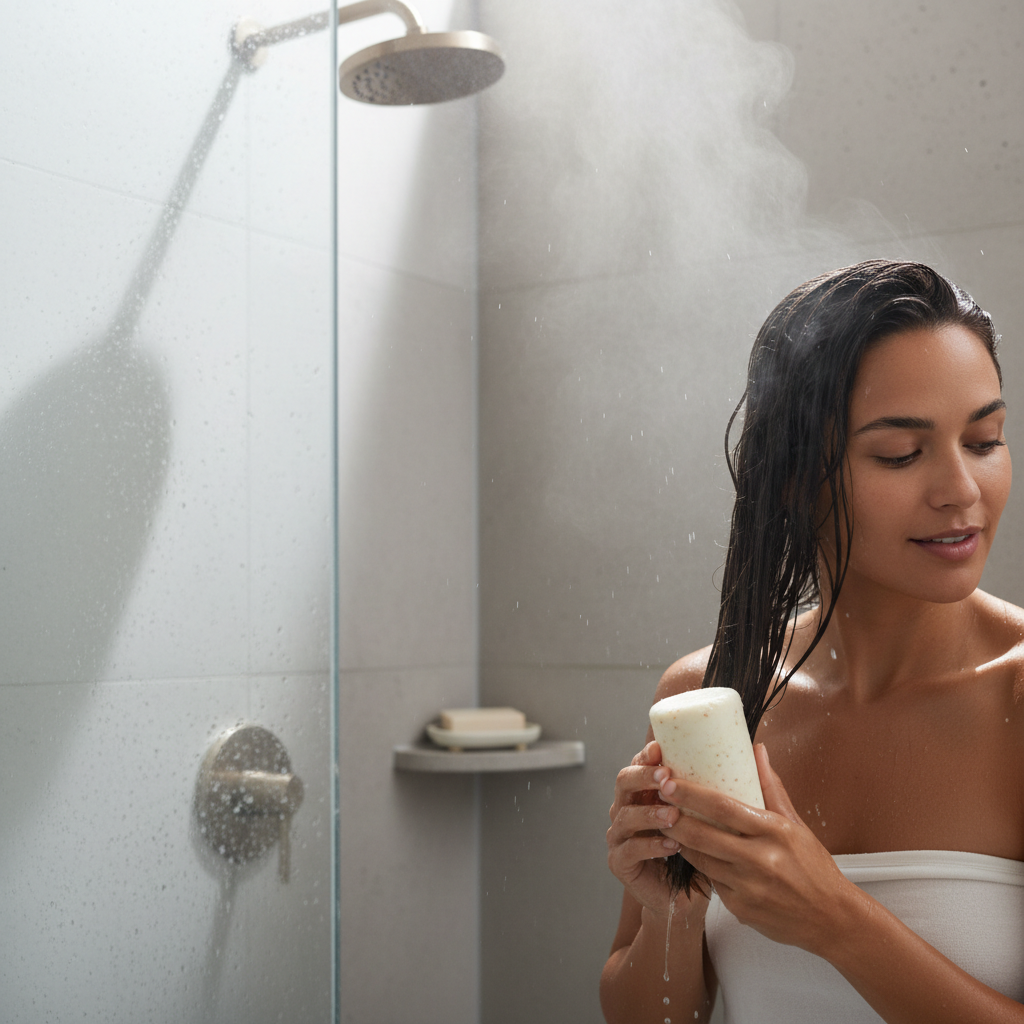
A simple method that works in most showers
- Step 1: Fully wet hair, then squeeze out extra water so the conditioner does not just slide off.
- Step 2: Rub the bar between wet hands for 5–10 seconds to build a creamy layer.
- Step 3: Apply the product from mid-length to ends, then detangle gently with fingers or a wide-tooth comb.
- Step 4: Let it sit while you finish the rest of your shower, then rinse well.
If your hair still feels coated, rinse longer than you think you need, then do a quick final rinse with slightly cooler water. Not glamorous, but it often helps.
Packing and storage: the part that decides whether bars are “worth it”
Solid conditioner bars are travel-easy only if they dry. If you pack a wet bar into an airtight tin, it can soften, stick, and leave residue on the container, then everything feels messy.
What usually works best: a vented travel case, a soap dish with drain slots, or a breathable pouch that still protects your bag from moisture. If you only have an airtight tin, give the bar open-air time before you close it.
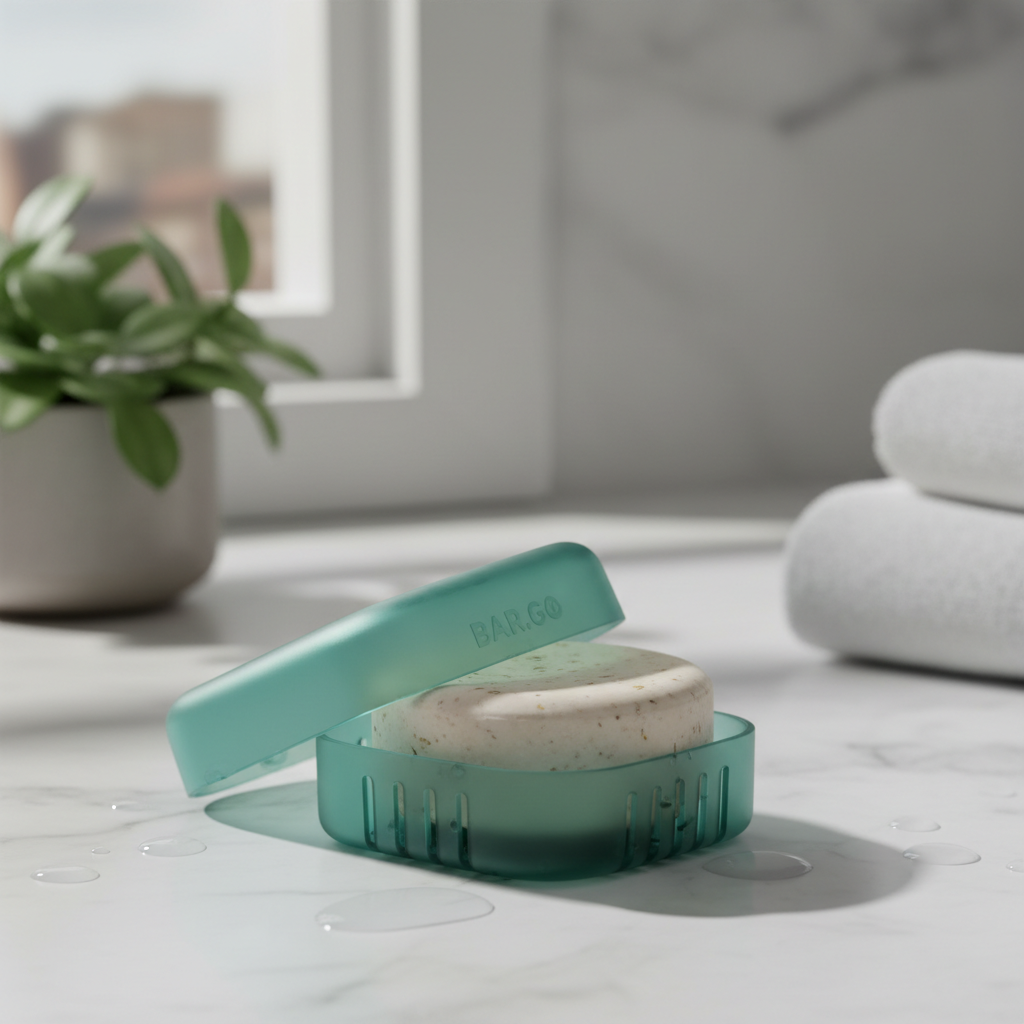
Two travel packing setups (choose one)
- Hotel / longer trip: bar + vented case + small wide-tooth comb, let bar air-dry on the counter for 30–60 minutes when possible
- Fast repacking / backpacking: bar + quick-dry soap saver bag, squeeze excess water, store where air can circulate
Tip that saves a lot of frustration: cut a full-size bar into a smaller travel piece. It dries faster and feels less precious if it gets dinged up.
Self-check: is a solid conditioner bar right for your next trip?
Before you buy anything, a quick reality check helps. Most “bars don’t work” stories are really “bar + destination + routine didn’t match.”
- You want carry-on simplicity and hate leaks
- You can give the bar some drying time between showers
- Your hair tolerates bar products without feeling coated
- You will apply to lengths, not scrub your scalp with it
If you answered “no” to two or more, consider packing a small liquid conditioner and using a bar only for shampoo, or bring a lightweight leave-in to cover dryness from flights and hotel air.
Common mistakes that make travel bars disappointing
These are the patterns that show up again and again, and most are easy to fix once you notice them.
- Over-applying: bars are concentrated, if hair feels heavy, use less and focus on ends.
- Not clarifying occasionally: if you use stylers, sunscreen near hairline, or deal with hard water, buildup can happen. A gentle clarifying wash sometimes helps, frequency depends on hair and routine.
- Storing wet in sealed containers: that “slime layer” is usually trapped moisture.
- Expecting a bar to replace deep conditioner: on beach trips or after heavy heat styling, you may still want a mask or leave-in.
According to American Academy of Dermatology Association (AAD), hair and scalp needs vary, and irritation or flaking can have multiple causes. If a new product makes your scalp itchy, red, or persistently flaky, it is smart to stop using it and consider talking with a dermatologist.
A practical travel routine (5 minutes in the shower, no overthinking)
If you want a repeatable system, keep it boring and consistent. Here is a routine that fits most travel days.
- Shampoo: focus on scalp, rinse thoroughly.
- Condition: use your solid bar on mid-length to ends, detangle gently, then rinse well.
- After-shower: squeeze water from hair with a towel, add a tiny amount of leave-in if hair feels dry in flight-heavy trips.
- Store the bar: let it air-dry while you get dressed, then pack into a vented case.
Conclusion: make it easy, and your hair will cooperate more often
Solid conditioner bars can be a genuinely convenient upgrade for travel, but the win comes from matching the bar to your hair and being a little picky about storage. If you remember two things, make it these: use less than you think, and let the bar dry before packing.
If your next trip involves carry-on only, start with a small piece of a bar at home for a week, dial in the technique, then take it on the road with a vented case.
FAQ
What is the best way to pack a solid conditioner bar for a flight?
Pack it dry in a vented case or a draining soap dish. If you must pack it right after a shower, blot the surface and use a breathable pouch so it can dry in transit.
Can I bring a solid conditioner bar in carry-on luggage?
In many cases, yes, because it is not a liquid. Airport screening can vary, so keep it accessible if you want to avoid digging through your bag.
Why does my conditioner bar feel waxy in hotel showers?
Hard water and over-application are common culprits. Try building product in your hands, applying only to ends, and rinsing longer; a clarifying wash occasionally can also help if buildup accumulates.
How long does a solid conditioner bar last when traveling?
It depends on bar size, how often you wash, and how much you use. For travel, a cut-down piece usually lasts longer than people expect, especially if you apply lightly.
Is a conditioner bar okay for color-treated hair?
Often yes, but formulas vary. If your hair is bleached or fragile, prioritize gentle conditioning and avoid aggressive scrubbing on the lengths; if you are unsure, a stylist can point you toward safer options for your routine.
Do I need a separate leave-in conditioner when using a bar?
Not always. In dry climates, after flights, or on beach trips, a small leave-in can make hair feel more comfortable and reduce tangles, even if your rinse-out step is solid.
How do I keep a conditioner bar from melting or getting soft?
Heat and trapped moisture soften bars. Keep the bar out of direct sun, let it dry between uses, and avoid sealing it in an airtight tin while wet.
If you are building a simple kit around solid conditioner bar travel, a small vented case and a cut-down bar piece usually deliver the biggest day-to-day payoff, and they make the whole “bar lifestyle” feel far less fussy.