
Religious site travel dress code questions usually show up at the worst time, right when you are at the gate, sweating, and realizing your outfit might be a problem. The good news is most rules are predictable once you know what the site is trying to protect: modesty, sacred space, and a calm visitor experience.
This guide is built for real travel days, not theory. You will get a quick way to judge how strict a place might be, what to pack so you can adapt in minutes, and how to avoid the two common traps: overthinking and accidentally offending people who live their faith daily.
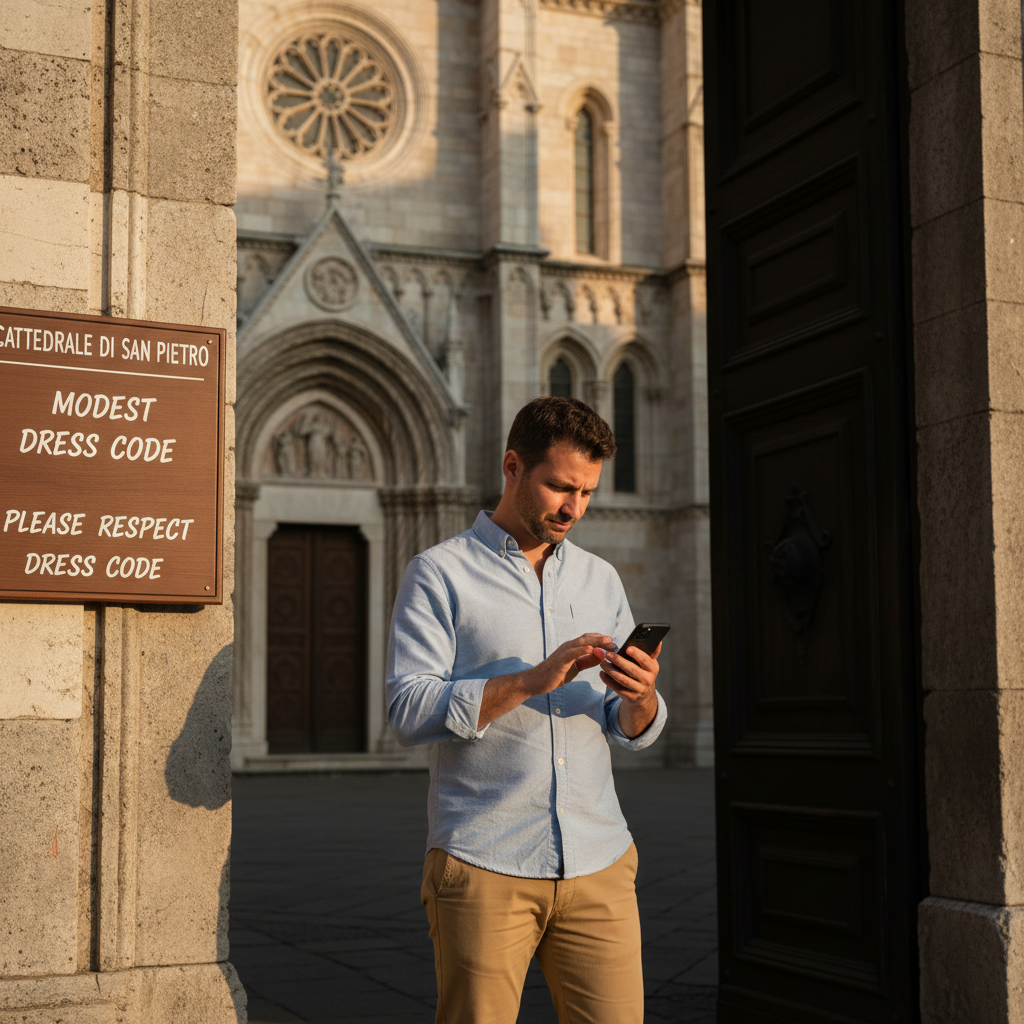
One more thing before we get practical: dress codes are not only about what you wear. Behavior, photography, and footwear can matter just as much. If you prepare for those too, you rarely get surprised.
Why religious sites have dress codes (and what they usually mean)
Most religious spaces are not “attractions” to the people who worship there, they are active places of prayer, grief, celebration, and community rules. Dress codes act like a boundary that signals respect and reduces friction between visitors and worshippers.
- Modesty norms: Many traditions ask for covered shoulders, covered knees, and non-revealing clothing, especially in main prayer halls.
- Ritual cleanliness: Some sites prefer socks, prohibit certain materials, or require head coverings as part of a local practice.
- Safety and preservation: Old floors, steep steps, and delicate interiors can drive footwear rules or bag limits.
- Crowd management: Clear standards make entry faster and reduce debates at the door.
According to the U.S. Department of State, travelers should respect local laws and customs when visiting other countries. For religious sites, “customs” often show up as posted signs or staff instructions, even if enforcement varies.
Quick self-check: how strict will the dress code be?
You rarely need a deep study of theology to make a good call. These cues usually predict whether a religious site travel dress code will be lightly suggested or actively enforced.
Signs it may be strict
- Active worship in progress or multiple daily services
- Separate areas for men and women, or gender-specific entrances
- Security screening or staffed entry gates
- Loaner wraps, cover-ups, or headscarves visible near the entrance
- Clear signage with pictures showing allowed and not allowed outfits
Signs it may be flexible (but still respectful)
- Site functions mostly as a museum or historical monument
- Large tourist volume with minimal staff at entry
- Outdoor grounds where people circulate freely
If you are unsure, default to modest basics, ask a staff member politely, and watch what locals wear. That last step sounds obvious, but it saves trips constantly.
Dress code essentials by major faith settings (high-level, not absolute)
Rules vary by country, denomination, and even individual buildings, so treat this as a practical baseline. In many cases, your goal is simple: covered shoulders, covered knees, and a calm silhouette.
Churches and cathedrals (many Christian contexts)
- Usually OK: T-shirts, blouses, jeans, midi skirts, clean sneakers.
- Often discouraged: very short shorts, low-cut tops, beachwear, clothing with aggressive slogans.
- Special case: Some historic churches enforce shoulder coverage, especially in popular tourist cities during summer.
Mosques (many Islamic contexts)
- Typical expectation: long pants or long skirt, covered shoulders, looser fit.
- Head covering: commonly expected for women in many mosques; men may be asked to avoid shorts.
- Footwear: shoes off in prayer areas, socks help if floors are cool or you prefer more coverage.
Temples (Hindu, Buddhist, Sikh, and others)
- Typical expectation: covered shoulders and knees, quieter colors often blend in better than flashy outfits.
- Head covering: Sikh gurdwaras typically require head covering for all visitors, and may ask you to remove shoes and wash hands.
- Offerings and prasad: sometimes food is offered; dress and behavior standards can be part of the experience.
Synagogues (Jewish contexts)
- Typical expectation: modest clothing, covered shoulders and knees is a safe baseline.
- Head covering: men may be asked to wear a kippah; many places provide them.
- Security: entry may involve screening, so plan time and bring ID when advised.
In the U.S., you will still see variation, especially across denominations and communities. When in doubt, a neat, modest outfit reads as respect nearly everywhere.
A practical packing checklist (so you can adapt in 60 seconds)
Most people do not “pack wrong,” they just pack outfits that only work in one setting. A flexible kit solves that. If your itinerary includes several sacred places, this approach also reduces decision fatigue.
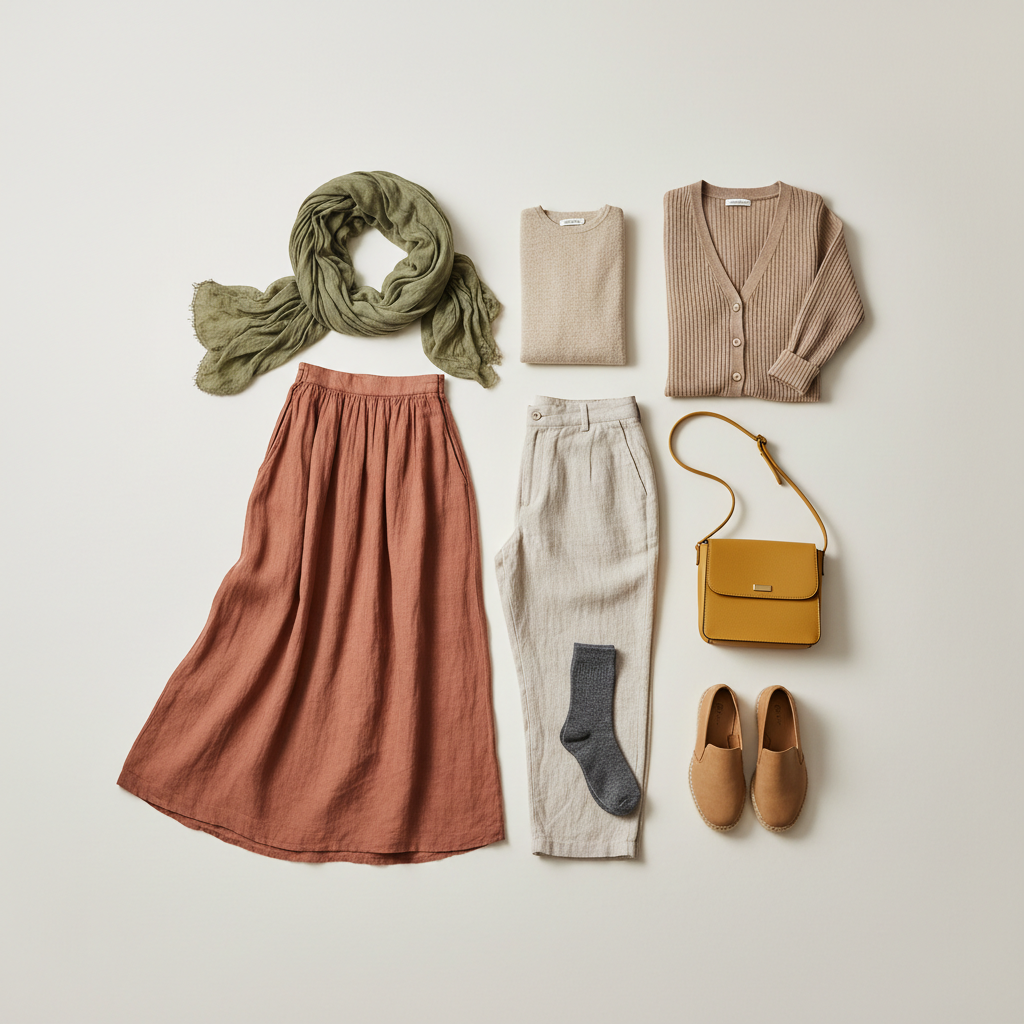
- Lightweight scarf or wrap: works for shoulders, head covering, or covering a low neckline.
- Overshirt or cardigan: easy layer that upgrades a tank top instantly.
- Packable midi skirt or linen trousers: converts a beach-town outfit into a respectful one.
- Socks: helpful for shoe-free interiors and hygienic comfort.
- Slip-on shoes: faster for places where you remove footwear repeatedly.
- Small crossbody bag: many sites restrict large backpacks, and crossbody keeps hands free.
Key point: choose breathable fabrics. Being modest should not mean overheating, and discomfort tends to make people impatient, which is when small cultural mistakes happen.
What to do if you show up “underdressed” (no drama, just fix it)
It happens, especially in hot weather or on multi-stop days. The goal is to adjust quickly, not argue your way in. Staff are used to tourists misjudging the religious site travel dress code, but they respond better to calm cooperation.
Fast fixes that usually work
- Use your scarf as shoulder coverage or a head covering where appropriate.
- Put on an overshirt, even unbuttoned, to soften a revealing top.
- Swap shorts for trousers, or add a wrap skirt on top.
- If loaner garments are offered, accept them without making it a joke.
If you cannot meet the requirement
- Ask if there is an outdoor courtyard you can visit without entering the main worship area.
- Return later after changing, and treat it like part of travel logistics, not a personal offense.
According to UNESCO, many sacred places are also heritage sites that require visitor cooperation to protect their cultural value. In practice, that cooperation includes following posted rules even when they feel inconvenient.
Common mistakes Americans make (and how to avoid them)
These are the patterns that cause awkward moments, not because people are “bad travelers,” but because U.S. casual norms travel with us.
- Assuming rules are negotiable: In some places, staff have little discretion and will still say no.
- Focusing only on skin coverage: tight or sheer clothing can be viewed as immodest even if it technically “covers.”
- Forgetting footwear: shoe removal is common, and complicated laces slow everyone down.
- Overcorrecting: dressing like you are in costume can feel disrespectful too, aim for simple and neat.
- Photography entitlement: dress code and photo rules often come together, always look for signs.
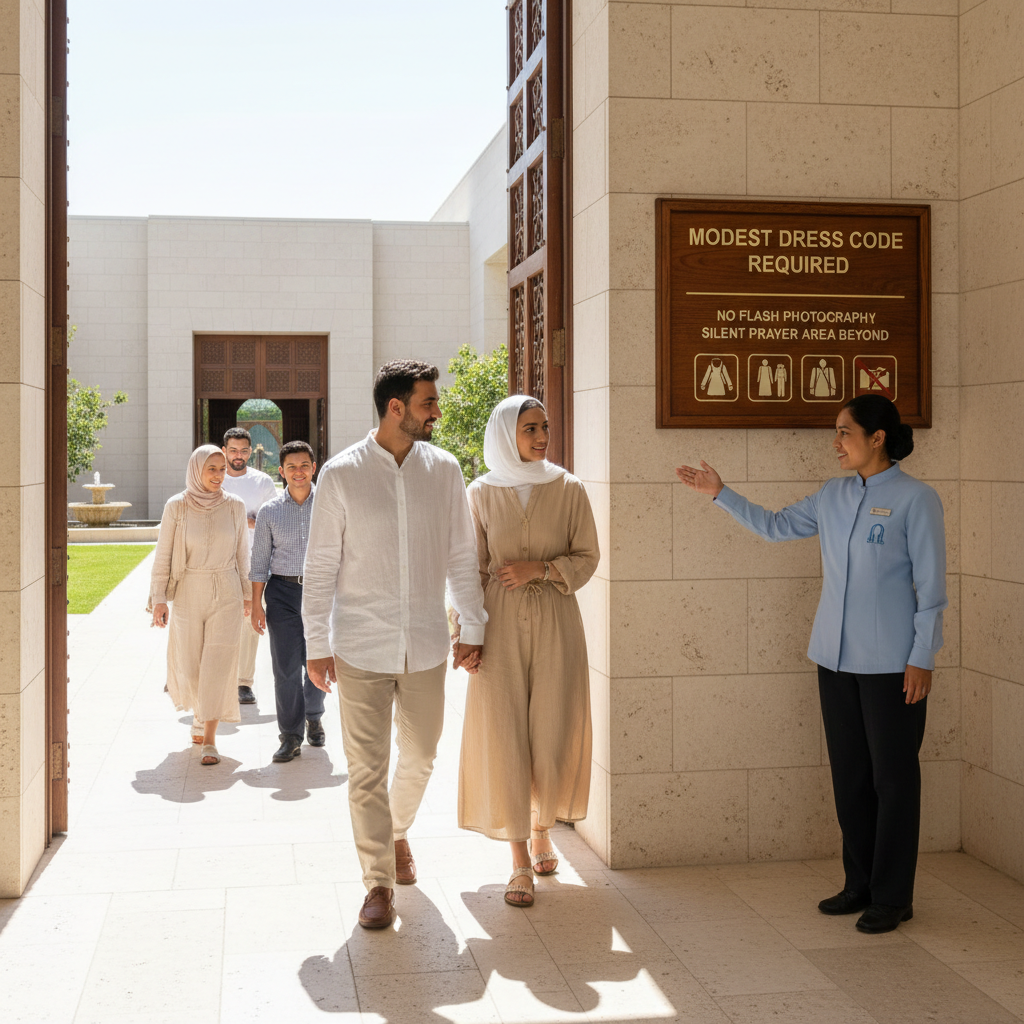
If you want a simple rule that works in many countries: avoid clothing you would only wear to the gym, beach, or nightclub, unless you are certain the site welcomes it.
At-a-glance table: safe default outfits for most visits
This table is intentionally conservative. It aims to get you through most doors without stress, especially when you do not have time to research each location.
| Situation | Safe outfit baseline | Bring to adjust |
|---|---|---|
| Hot weather city sightseeing | Loose tee + linen trousers or midi skirt | Scarf, light overshirt, socks |
| Multiple sites in one day | Breathable top with sleeves + long bottoms | Slip-on shoes, small bag |
| Unexpected invitation to a service | Neutral colors, minimal logos, modest fit | Extra layer, head covering option |
| Rural or conservative area | Long sleeves preferred, ankles covered if possible | Wrap skirt, cardigan |
When to ask staff or a local guide (and when to get professional help)
Most dress questions are easy. The tricky ones show up when religion intersects with security, gender-segregated spaces, or major holidays.
- If the site mentions security protocols, call ahead or check official channels, and follow instructions even if they feel unfamiliar.
- If you have mobility needs, ask about footwear rules and accessible paths, staff can often suggest a workable option.
- If you are traveling during major religious festivals, expect stricter enforcement and larger crowds.
For travelers with medical or sensory needs that affect clothing choices, it may help to consult a healthcare professional before the trip, especially if heat, compression garments, or footwear changes can create discomfort.
Conclusion: a respectful outfit is usually a simple outfit
Religious site travel dress code planning does not require perfection, it requires a respectful default and a couple of quick-adjust items in your day bag. If you pack one scarf, one light layer, and one long-bottom option, you cover most situations without giving up comfort.
Your next step is straightforward: check the official site page or recent visitor info the night before, then dress slightly more modest than you think you need. If you end up “overdressed,” nobody complains, and you get a calmer visit.
FAQ
What is the safest religious site travel dress code for Americans who are unsure?
A breathable top that covers shoulders, plus pants or a skirt that covers knees, usually passes as respectful in many settings. Add a scarf so you can adapt to head-covering expectations without stress.
Do I always need to cover my head at a religious site?
No, it depends on the faith tradition and the specific building. Some places require head coverings for everyone, others only for women or only for men, and many require none at all, so checking signage at the entrance matters.
Are leggings acceptable in temples, mosques, or churches?
Sometimes, but leggings can read as too form-fitting even if they cover skin. If you wear them, pairing with a longer tunic or a wrap skirt tends to go over better in stricter spaces.
What should I do if staff stop me at the entrance?
Assume they are enforcing a standard policy, not judging you personally. Ask what adjustment is needed, use your scarf or layer, and if you cannot comply, ask whether there is an area you may visit without entering the main worship space.
Can I wear shorts if it is extremely hot?
In many religious settings, shorts above the knee can be a hard no. Lightweight long trousers or a breathable midi skirt usually feel cooler than you expect and avoid entry problems.
How can I pack light and still follow different dress expectations?
Focus on modular items: one scarf, one packable overshirt, and one long-bottom option. Those three pieces can convert most casual outfits into something appropriate across multiple traditions.
Are there differences between tourist hours and prayer times?
Often, yes. During services, staff may enforce rules more strictly, photography may be limited, and certain areas may close to visitors, so dressing a bit more conservatively during those windows is a safer bet.
If you are building an itinerary with several sacred places in different countries, and you want a more “set it and forget it” approach, keep a small dress-code kit in your day bag and save a few official links in your phone notes, it makes compliance feel effortless without turning your trip into a rule-checking exercise.