
Quick dry travel clothing makes warm-climate trips easier because it dries fast after sweat, rain, or sink-washing, which means less luggage stress and fewer "I have nothing clean" moments.
If you have ever stepped outside in Miami, Honolulu, or Southeast Asia heat and felt your shirt cling in five minutes, you already get the problem, fabric choice matters more than most people think. The wrong tee can feel heavy, look wrinkled, and stay damp until dinner.
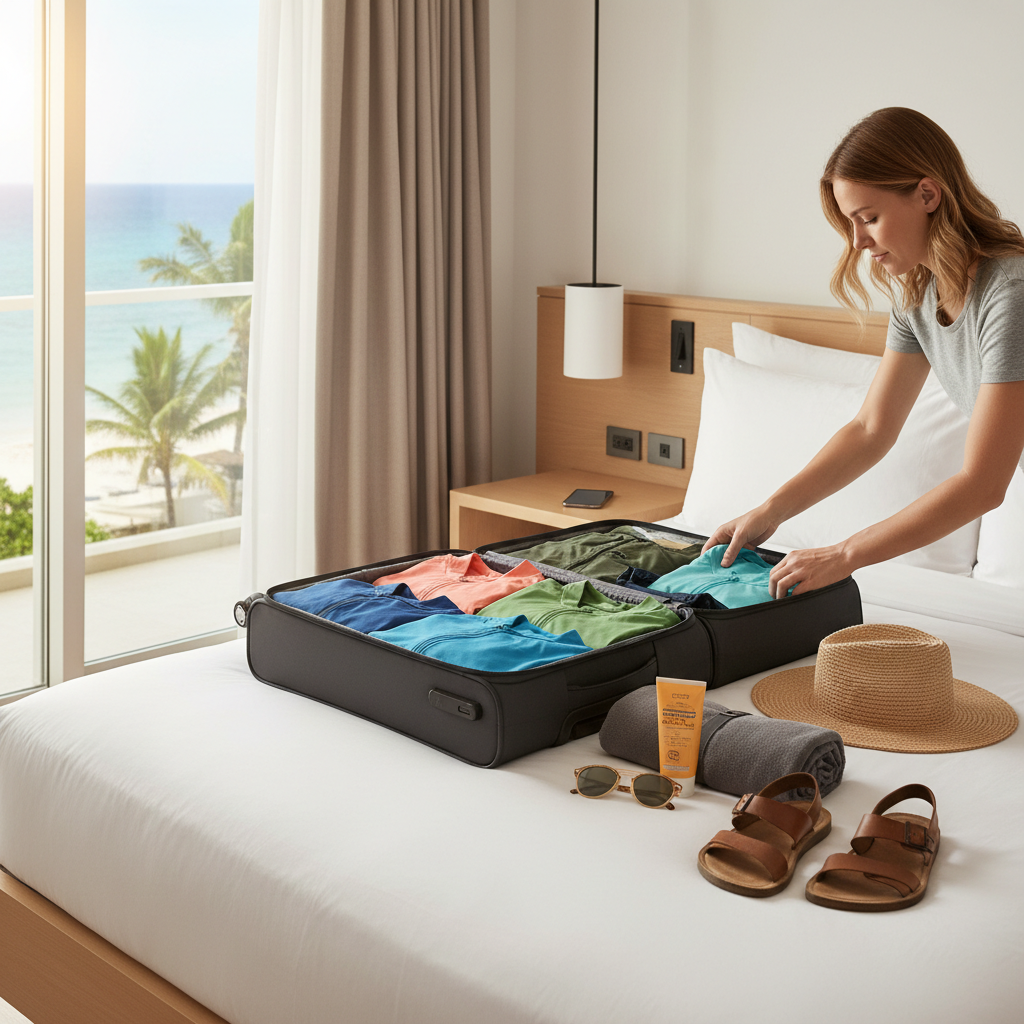
This guide keeps it practical, what fabrics actually dry quickly, what features matter in humid weather, and how to build a small mix-and-match capsule without packing "technical" pieces you hate wearing.
What “quick dry” really means in warm weather
In real use, “quick dry” is less about a label and more about how a garment handles moisture + airflow. In warm climates, clothing often gets wet from sweat, sudden rain, or hand-washing, then has to dry overnight in a room that may not have strong AC.
Two concepts help you shop with less guesswork, wicking and drying time. Wicking pulls moisture off skin and spreads it across the fabric surface, drying time depends on fiber type, thickness, and weave. A thick “performance” polo can wick well and still dry slowly.
According to NOAA, heat and humidity can increase heat stress risk because sweat evaporates less efficiently, so breathable, fast-drying layers can be part of staying more comfortable, and if you have medical concerns you should ask a clinician about heat precautions for your situation.
Why warm climates make clothing problems worse
Hot destinations create a perfect storm for travel outfits, high humidity, frequent sweating, and limited chances to fully dry laundry. People usually blame “heat,” but the day-to-day annoyance is often damp fabric sitting on skin.
- Humidity slows evaporation, even thin items can feel wet longer.
- Salt and sunscreen buildup makes fabric feel stiffer and smell sooner, so you may need more frequent rinses.
- Air-drying indoors may be your only option, especially with apartment stays or eco-minded hotels.
- Walking-heavy itineraries mean friction points, wet waistbands, damp socks, and surprise chafing.
Fabric choices that usually work (and what to avoid)
If you remember one thing, fiber and fabric weight matter more than brand. Most travelers do well with a small mix of synthetics and lightweight blends, then add one or two natural-fiber pieces for comfort.
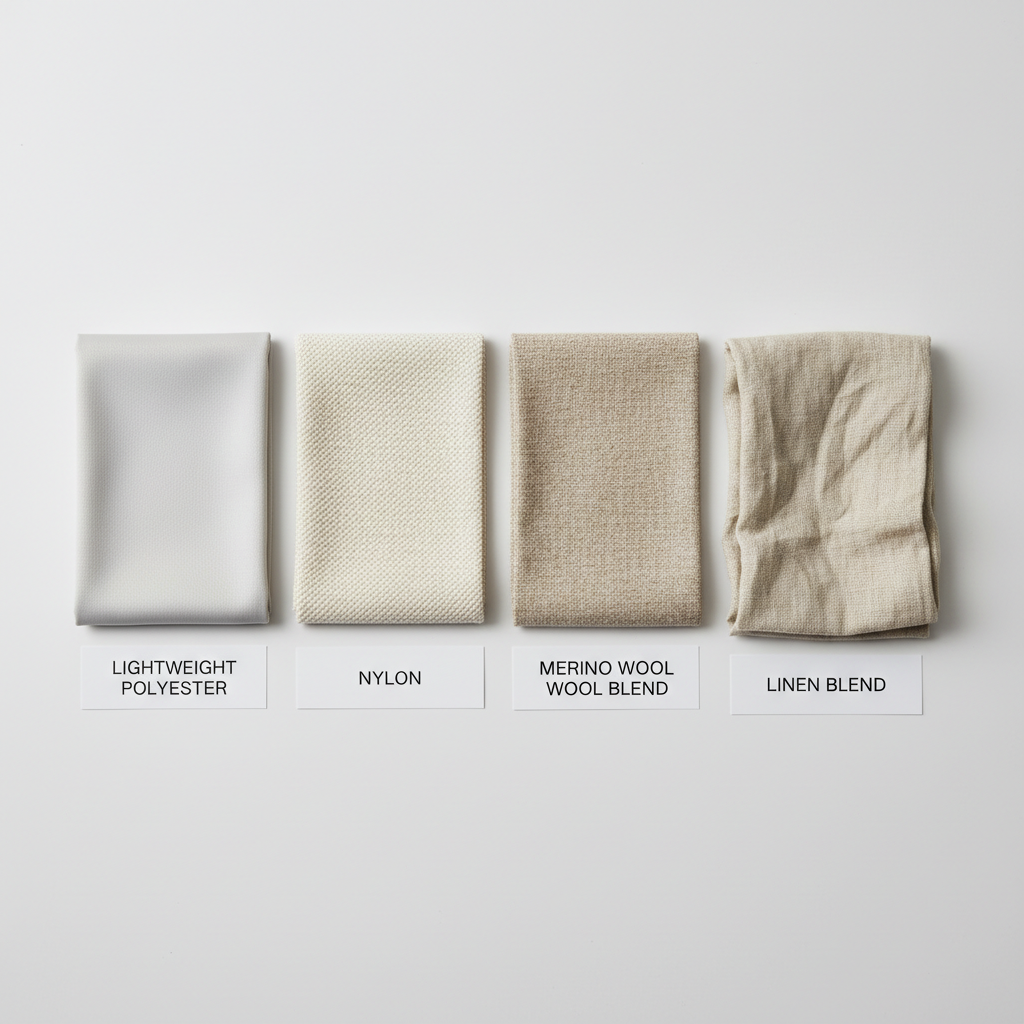
Often good in warm climates
- Polyester: dries fast, resists wrinkles, widely available. Can hold odor if the finish and weave are not great.
- Nylon: smooth, durable, great for pants/shorts, often feels cooler than heavy poly.
- Merino blends: not always the fastest to dry, but odor control is strong, helpful when you want fewer tops.
- Linen blends: comfortable and airy, dries fairly quickly when lightweight, does wrinkle, which is not always bad on vacation.
Commonly frustrating (not always “bad,” just situational)
- Heavy cotton: comfortable at first, but holds water and can stay damp for hours.
- Thick denim: slow to dry, hot, bulky in luggage.
- Viscose/rayon: can feel cool, but often dries slowly and may stretch or show water marks after sink washes.
Quick self-check: are you buying the right pieces?
Before you rebuild your suitcase, do a fast reality check. If you answer “yes” to a few, you will likely benefit from more intentional quick dry travel clothing choices.
- You often wash one or two items in the sink and they are still damp the next morning
- You avoid re-wearing tops because of odor, not because they look dirty
- You pack backups “just in case,” then carry too much
- Your shirts cling to your back or your waistband stays wet after a walk
- You get mild chafing in humid weather, especially thighs, underarms, bra band, or socks
If none of these sound familiar, you may not need technical fabrics at all, a couple of breathable lightweight pieces might be enough.
What to look for when shopping (features that matter)
Marketing terms get loud in this category, so it helps to focus on a few signals you can actually verify in hand or from a product page. This is where you avoid paying extra for features you do not use.
| What to check | Why it helps in heat | How to spot it |
|---|---|---|
| Fabric weight | Heavier cloth often dries slower and feels clingy | Look for “lightweight,” “summer weight,” or low GSM when listed |
| Weave and ventilation | Airflow improves comfort and dry time | Mesh zones, perforations, looser weaves, or subtle texture |
| Odor management | Fewer washes, easier re-wear | Merino, anti-odor finishes, or travel-focused blends |
| Color and transparency | Dark colors show salt, light colors show sweat sometimes | Check reviews for “see-through” and “sweat marks” notes |
| Fit and friction points | Chafing happens faster in humidity | Mobility gussets, smooth seams, not too tight in thighs/underarms |
| Drying design details | Small choices affect overnight drying | Thinner waistbands, fewer layers, zip pockets that do not trap water |
Build a warm-climate capsule that dries overnight
A good packing list is not “all quick dry everything,” it is a small system where each piece earns its spot. Most people do best with 2–3 tops that rotate, 1–2 bottoms that handle sweat, and underwear/socks you can rinse quickly.
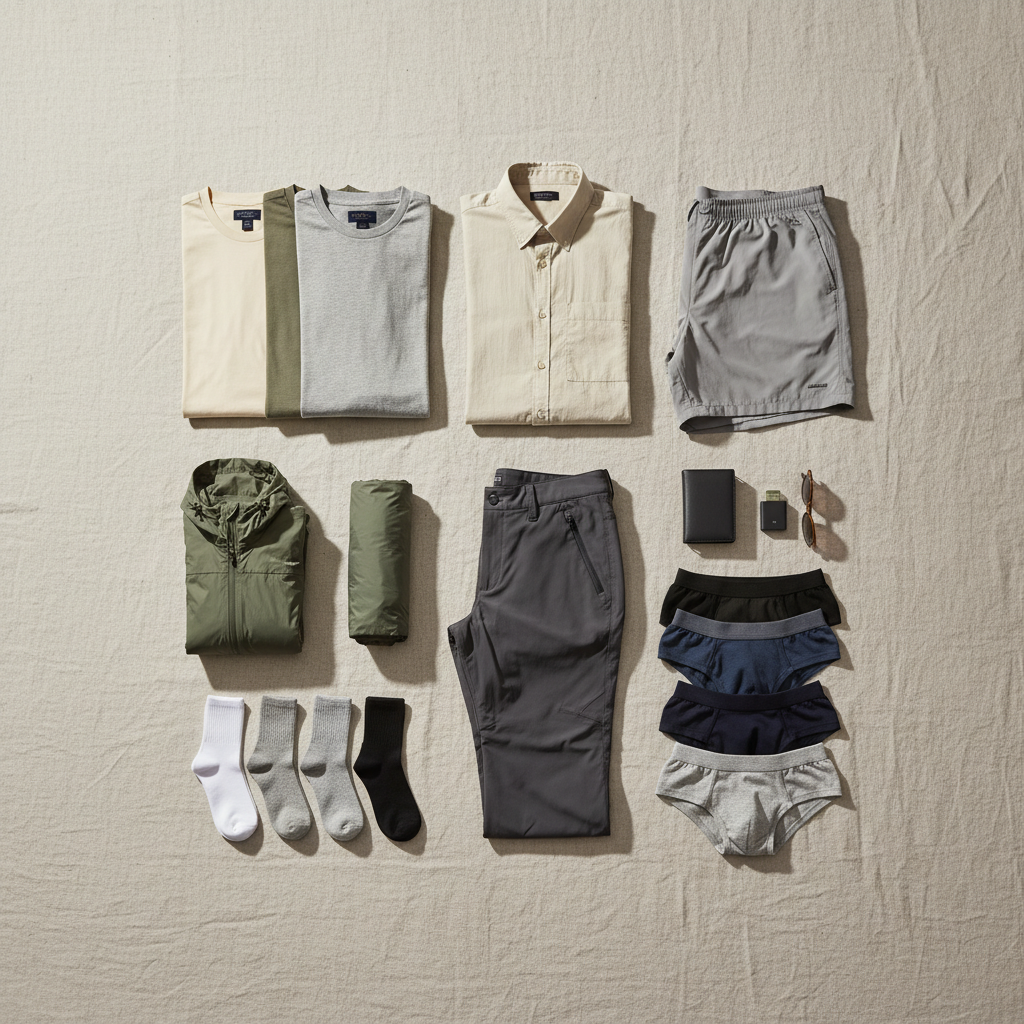
Simple 5–7 day template (carry-on friendly)
- Tops (3): two lightweight synthetic or blend tees, one airy button-up for sun and restaurants
- Bottoms (2): one nylon short, one light pant with stretch, skip heavy waistbands
- Underwear (4–5): quick-dry pairs make sink-washing realistic
- Socks (2–3): low cushion, breathable, consider merino blend if you walk a lot
- One layer: ultralight rain shell or thin overshirt, because tropical rain happens
Key takeaways for picking each category
- Shirts: prioritize airflow and low weight over “gym shirt” shine, casual textures look better in photos.
- Shorts/pants: nylon blends tend to dry faster than cotton chinos, pockets with mesh linings dry quicker.
- Underwear: fast dry + comfort beats “technical” claims, seams matter more than people expect.
- Dresses/skirts: a light fabric that moves can feel cooler than shorts, but check for cling and transparency.
Practical routine: washing and drying on the road
This is where quick dry travel clothing earns its keep. You do not need to wash everything nightly, you just need a repeatable routine that takes 10 minutes and actually dries by morning in typical conditions.
- Rinse sooner: sweat and sunscreen set in, a quick rinse right after getting back often reduces odor.
- Use less soap: too much detergent clings to fibers and can make items feel sticky in humidity.
- Roll in a towel: press out water before hanging, this usually cuts dry time a lot.
- Hang for airflow: spread items, avoid stacking on one hanger, aim near a fan or AC vent when possible.
- Rotate smart: wash the “close-to-skin” layer more often than pants or overshirts.
According to CDC, hot environments can raise the risk of heat-related illness, so if you feel dizzy, unusually weak, or confused while traveling, it is safer to cool down, hydrate, and seek medical advice, clothing helps comfort but it is not a substitute for heat safety.
Mistakes that make “quick dry” feel like a scam
Most disappointments come from expectations, not fabric technology. A quick-dry tee still struggles if you hang it in a humid bathroom with no airflow, and a “travel pant” can stay wet if it has thick pockets and double layers.
- Buying too thick: “durable” often means slower drying, especially for bottoms.
- Ignoring odor: fast dry is great, but if odor builds quickly you will over-wash and hate the piece.
- Overpacking duplicates: three similar shirts do not add versatility, they just add laundry.
- Wrong footwear-sock combo: sweaty feet can ruin the day, breathable shoes and socks matter as much as shirts.
- No chafe plan: in high humidity, seams and friction show up fast, consider anti-chafe balm if you are prone.
Conclusion: what to do before your next warm-climate trip
If warm-weather travel regularly leaves you damp, irritated, or overpacked, the fix is usually a small upgrade in fabric and a better rotation plan, not a full wardrobe overhaul. Start with one or two pieces that touch skin most, a lightweight tee and underwear you can sink-wash, then build out from there.
Action steps that tend to work, pick one outfit you can wear, rinse, and re-wear within 24 hours, then test it at home on a hot day. If it dries overnight and still feels decent the next morning, you have your baseline, and your packing list gets simpler from there.
FAQ
What is the best quick dry travel clothing for warm climates?
For most people, lightweight polyester or nylon blends work well for tops and shorts, paired with quick-dry underwear. “Best” depends on how you sweat, how much walking you do, and whether odor control matters more than pure drying speed.
Does merino wool count as quick dry travel clothing?
Merino often dries slower than thin synthetics, but it can feel comfortable across temperature swings and usually handles odor well. In humid destinations, many travelers like merino blends rather than heavy 100% merino.
How many outfits should I pack for a 7-day tropical trip?
If you are willing to do small washes, 3 tops and 2 bottoms can cover a week, plus enough underwear to avoid doing laundry daily. The point is building a rotation that dries overnight, not packing for every scenario.
Why do my “quick dry” shirts still smell fast?
Some synthetics hold onto body oils and bacteria, especially in tight weaves. Trying a different fabric blend, washing sooner after wear, and avoiding too much detergent often helps, and some people prefer merino for this reason.
Is cotton ever okay in hot weather travel?
Lightweight cotton can be fine for low-sweat days or city evenings, but it is less reliable for humidity, rain, or sink-washing. If you love cotton, consider one piece and keep the rest faster-drying.
How can I make clothes dry faster in a humid hotel room?
Press out water with a towel, then hang items where air moves, near an AC vent or fan if available. Avoid drying in a closed bathroom, it traps moisture and slows everything down.
Do quick-dry pants work, or should I only bring shorts?
Quick-dry pants can be great for sun protection and bugs, especially in evenings. Look for lighter nylon fabrics and fewer layers around pockets and waistbands, those areas tend to stay damp longest.
If you are building a small warm-weather kit and want a more “no-regrets” setup, focus on one dependable quick-dry top, one bottom you can walk in for hours, and a laundry routine you will actually do, that combination usually beats chasing the most technical fabric on the rack.