
Cloud forest travel spots are worth putting on your shortlist if you want that rare mix of misty trails, orchids and mossy trees, and wildlife you often won’t see in lower-elevation rainforests.
A lot of travelers get tripped up by the same things, when to go so you actually get the “cloud” effect, how hard the hikes feel at altitude, and which places are truly cloud forests versus just rainy mountains. This guide narrows it down with practical picks, what each place is best for, and a planning checklist you can use before you book.
I’ll also flag the common mistakes, like packing for “warm tropics” and ending up cold and soaked, or underestimating how quickly weather changes on ridge-top forests. If you like structure, there’s a comparison table and a short “choose-your-spot” decision list.
What makes a cloud forest different (and why it feels so unique)
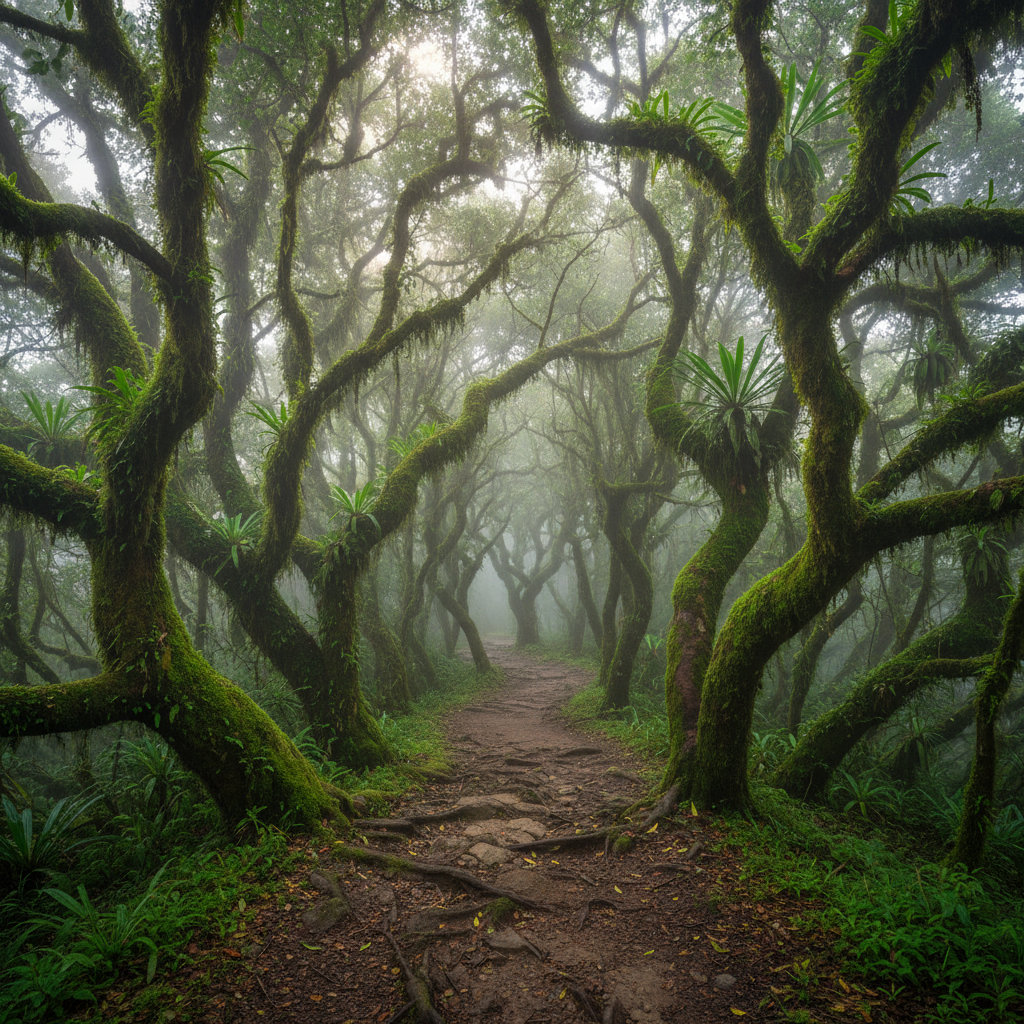
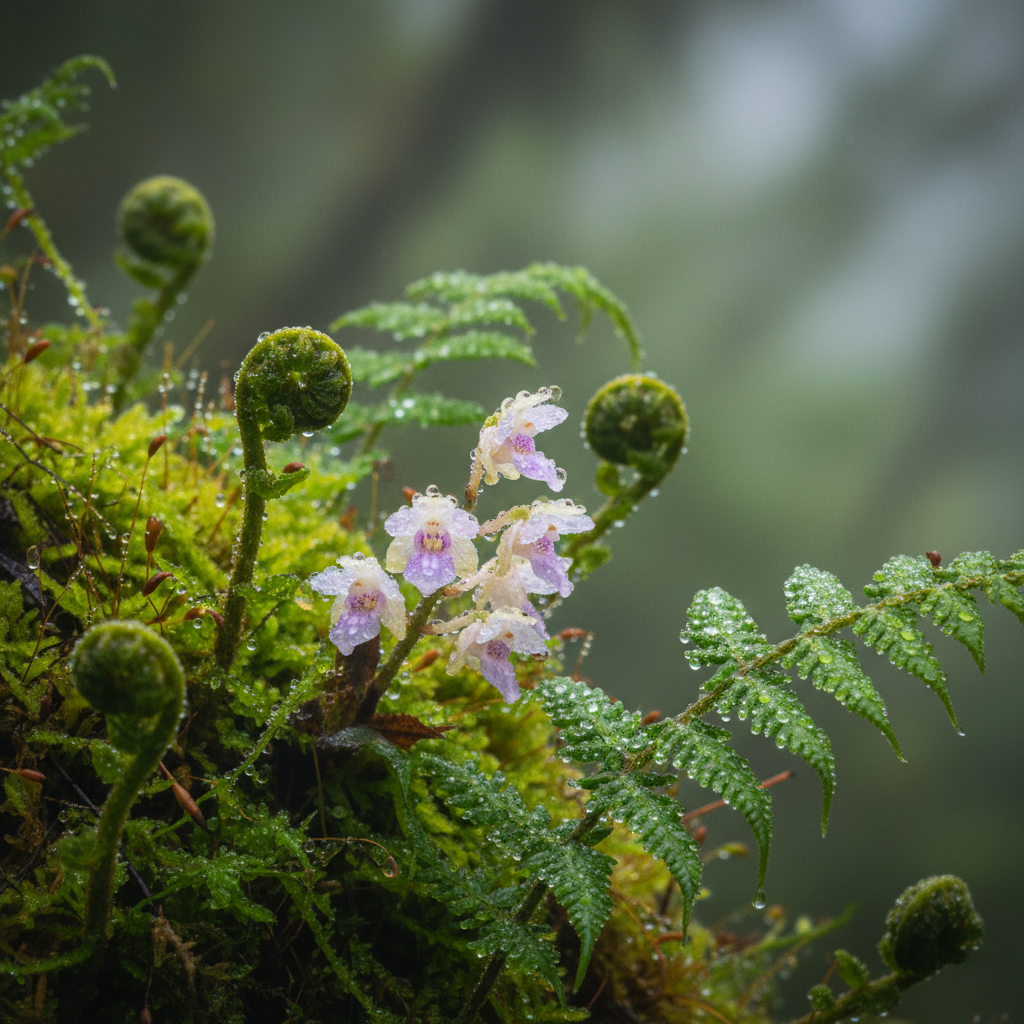
Cloud forests sit high enough that moist air condenses into fog around the canopy, so the forest stays cool, wet, and dripping even when it’s not raining. That constant humidity supports epiphytes, plants that grow on other plants like orchids, bromeliads, and moss, which is a big part of the “fairy green” look people chase.
According to the U.S. Geological Survey (USGS), fog can significantly increase moisture inputs to ecosystems in mountainous coastal and tropical regions, which helps explain why these habitats can look so lush compared with nearby slopes.
- Expect microclimates: sun for 10 minutes, then thick fog and drizzle.
- Trails stay damp: slick roots and muddy steps are normal, not a fluke.
- Wildlife viewing is different: you may hear birds more than you see them, unless you go early and stay patient.
Top cloud forest travel spots to consider (with quick “best for” notes)
These cloud forest travel spots are popular for a reason, they’re accessible, protected, and have enough visitor infrastructure to keep your trip from turning into a logistics project. Still, each one has its own “personality.”
Monteverde Cloud Forest Reserve, Costa Rica
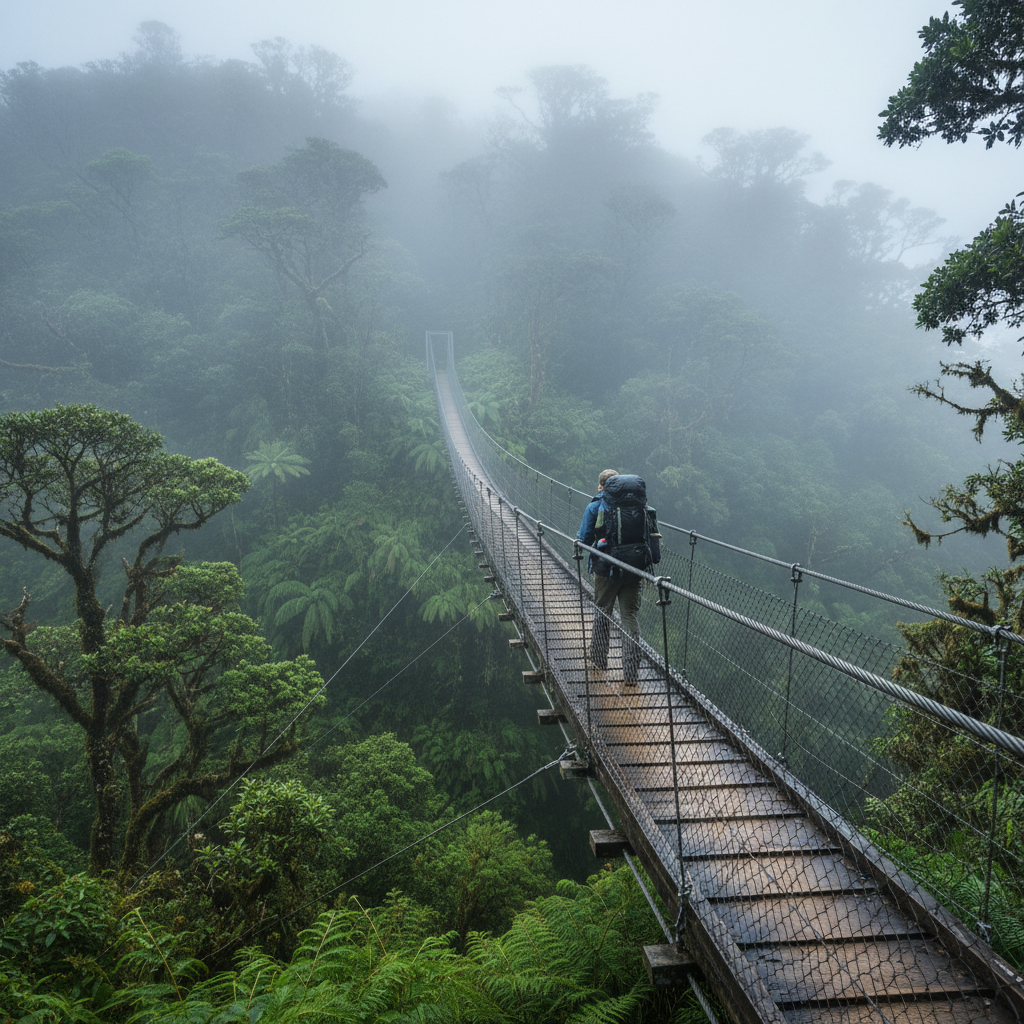
Best for: classic cloud forest vibe, hanging bridges, guided naturalist walks, birding (including quetzal season in many years).
Monteverde is the “poster child” for misty canopy walks. It can feel crowded at peak times, but guided early-morning tours often make it feel calmer and increase wildlife sightings.
Mindo Cloud Forest, Ecuador
Best for: hummingbirds, waterfalls, day-trip friendly itineraries from Quito.
Mindo blends easy access with surprisingly rich biodiversity. If you want a cloud-forest experience without committing to long transfers, it’s a strong option, especially for photographers who like feeder stations and short trails.
Santa Elena Cloud Forest Reserve, Costa Rica
Best for: a quieter alternative near Monteverde, solid value, community-run feel.
It’s close to Monteverde but often less busy. Many travelers who prefer slower trails and fewer tour groups like Santa Elena more than they expect.
Boquete & Volcán Barú area, Panama
Best for: cool weather, coffee-country vibes, a mix of cloud forest hikes and town comforts.
The highlands around Boquete can deliver dramatic foggy mornings. The altitude may feel noticeable if you push for big hikes right away, so it’s smart to plan an easier first day.
El Yunque National Forest (higher elevations), Puerto Rico
Best for: U.S.-based travelers who want rainforest-to-cloud-forest gradients without international flights.
El Yunque is primarily a tropical rainforest, but the upper elevations often turn into misty, cooler conditions. It’s a good “intro” if you want the vibe and aren’t trying to optimize for rare high-elevation endemics.
Great Smoky Mountains National Park (foggy ridges), USA
Best for: atmospheric fog, accessible mountain hikes, shoulder-season views.
This isn’t a tropical cloud forest, but travelers often use “cloud forest” loosely to describe that fog-in-the-trees feeling. If your goal is mood, not botany, Smokies ridgelines can deliver, especially in early mornings and after rain.
Comparison table: how to pick the right destination faster
Use this as a reality check, especially if you’re balancing budgets, travel time, and how much hiking you actually want to do.
| Destination | Ease from major airport | Best for | Typical feel | Notes |
|---|---|---|---|---|
| Monteverde (CR) | Moderate | Iconic cloud forest | Cool, misty, popular | Book tours early in peak season |
| Mindo (Ecuador) | Easy | Birding, waterfalls | Green, lively, day-trip friendly | Great for short itineraries |
| Santa Elena (CR) | Moderate | Quieter trails | Low-key, community-run | Nice alternative to Monteverde crowds |
| Boquete (Panama) | Moderate | Hiking + comforts | Mountain town + foggy forests | Altitude can surprise some travelers |
| El Yunque (PR) | Easy | Quick U.S. trip | Rainforest with misty high points | Conditions change fast, start early |
| Great Smoky Mountains (USA) | Easy | Foggy ridges, road-trip | Temperate forest, moody views | Not a tropical cloud forest, but similar atmosphere |
Quick self-check: are you choosing a place for the right reasons?
Before you commit to a flight and hotel, run through this list. It prevents the most common mismatch, like booking a “cloud forest” destination mainly for wildlife when you actually hate low-visibility hiking.
- You want the misty look in photos: prioritize higher elevations and plan early-morning time on trail.
- You want lots of animals: consider adding a lower-elevation rainforest stop, cloud forests can be quieter visually.
- You don’t want hard hikes: pick reserves with accessible loops, boardwalks, or guided options.
- You get cold easily: expect chill and wind, even in the tropics.
- You only have 2–3 days: choose the easiest airport access so you’re not spending your whole trip in transit.
Planning tips that actually matter: timing, gear, and logistics
People obsess over “dry season vs wet season,” but cloud forests don’t follow the same rules as beach towns. Many places stay damp year-round, and a “dry” month may still mean daily mist.
Timing: Early mornings often bring the most consistent fog and the most animal activity. If you can, build one full day with a sunrise start, then keep afternoons flexible for weather.
Footwear: Bring grippy trail shoes or light boots with traction. If you’re doing muddy trails, gaiters help more than you’d think.
Layering: A thin rain shell plus a warm mid-layer beats one heavy jacket. Fog and wind can cut through cotton fast.
Reservations: Some reserves limit entry times. Buying tickets ahead avoids arriving to a “sold out” sign and having to scramble.
Key takeaways for first-timers
- Build in buffer time: weather delays and slow roads happen in mountain regions.
- Guides can be worth it: especially for birds, amphibians, and anything camouflaged.
- Plan one “easy” trail day: it reduces fatigue and helps you enjoy the scenery.
Safety and comfort: small mistakes that ruin cloud forest days
Most cloud forest travel spots are safe when you treat them like real mountain environments, not theme parks. The risk tends to be slips, exposure, and getting turned around in low visibility rather than anything dramatic.
- Slippery surfaces: slow down on roots and stone steps, trekking poles can help with balance.
- Visibility drops fast: keep an offline map, and don’t rely on cell service in remote sections.
- Altitude effects: mild headache or fatigue can happen for some travelers, especially if you push hard on day one. If symptoms feel serious, it’s wise to seek medical advice.
- Hypothermia risk: yes, even in the tropics, wet + wind can chill you. Pack a dry layer in a waterproof bag.
Simple 3-step itinerary formula (works for most trips)
If you want a plan that doesn’t overthink it, this structure covers the basics and keeps your best trail time away from the busiest hours.
- Day 1: arrive, do a short loop trail, scout viewpoints, confirm next-day tour meetups.
- Day 2: sunrise or early-entry hike, long breakfast, then a second activity that fits weather (waterfall, canopy walk, coffee tour).
- Day 3: one last early stroll, then travel out before afternoon weather slows everything down.
If you’re choosing between multiple cloud forest travel spots, this is the honest rule: pick one “anchor” location and do it well, then add a contrasting ecosystem nearby if time allows. That mix usually feels richer than rushing through three foggy reserves in four days.
Conclusion: choose for experience, not hype
Cloud forests are special because they force you to slow down, you’re walking through weather as much as through trees. If you plan for mist, damp trails, and cooler temperatures, the trip feels magical instead of inconvenient.
Your next step is simple, pick one destination that matches your hiking comfort level, then lock in an early-morning block on your calendar before you fill the rest of the itinerary. That one decision usually determines whether you remember “endless fog” as a problem or the whole point.
FAQ
What are the best months for cloud forest travel spots?
It depends on the country and elevation, but many travelers aim for periods with decent road conditions while still getting regular mist. Even in “dry season,” cloud forests can stay wet, so plan for moisture either way.
Will I definitely see the clouds and fog?
Not always. Fog can roll in and out quickly, and some days are clearer than expected. If the misty look matters, build extra time and prioritize early mornings when conditions are often more consistent.
Are cloud forests safe for kids or older travelers?
Many reserves offer shorter, well-maintained trails that can work for families or slower walkers. The main issue is slippery surfaces, so choosing easier loops and using sturdy shoes matters more than raw fitness.
Do I need a guide in a cloud forest?
You don’t need one to enjoy the scenery, but guides can make wildlife and plant life “visible” in a way most people miss on their own. If you care about birds, amphibians, or night walks, guided tours are often a better use of time.
What should I pack for a cloud forest day hike?
Think layers and water protection: a light rain shell, warm mid-layer, quick-dry base, grippy shoes, and a dry bag for electronics. Add insect repellent depending on the location and season.
Is El Yunque a true cloud forest?
El Yunque is primarily tropical rainforest, but higher elevations can feel cloud-forest-like with frequent mist and cooler air. If you’re specifically after tropical montane cloud forest ecology, Costa Rica or Ecuador may fit better.
How do I avoid crowds at popular reserves like Monteverde?
Start early, book first-entry time slots when possible, and consider lesser-known reserves nearby for a second day. Many places feel dramatically quieter before mid-morning.
Can cloud forest hikes affect breathing or asthma?
Cool, damp air can bother some people, and altitude may add stress for others. If you have asthma or a respiratory condition, it’s sensible to discuss travel plans with a clinician and carry prescribed medication.
If you’re trying to pick between cloud forest travel spots and want a more tailored shortlist, it may help to map your trip around one “must-see” experience, like a canopy bridge walk, a birding morning, or a waterfall loop, then choose the destination that makes that easiest without cramming your schedule.