
The best travel guide for greece 2026 is the one that helps you make a few smart choices early, because Greece rewards planning but punishes overplanning, especially in peak summer.
If you’re traveling from the U.S., the usual pain points are predictable: which islands are actually worth it, how many days you need, what to book ahead, and what’s not worth the hype. Add ferry schedules, heat, and uneven crowds, and a “pretty itinerary” can fall apart fast.
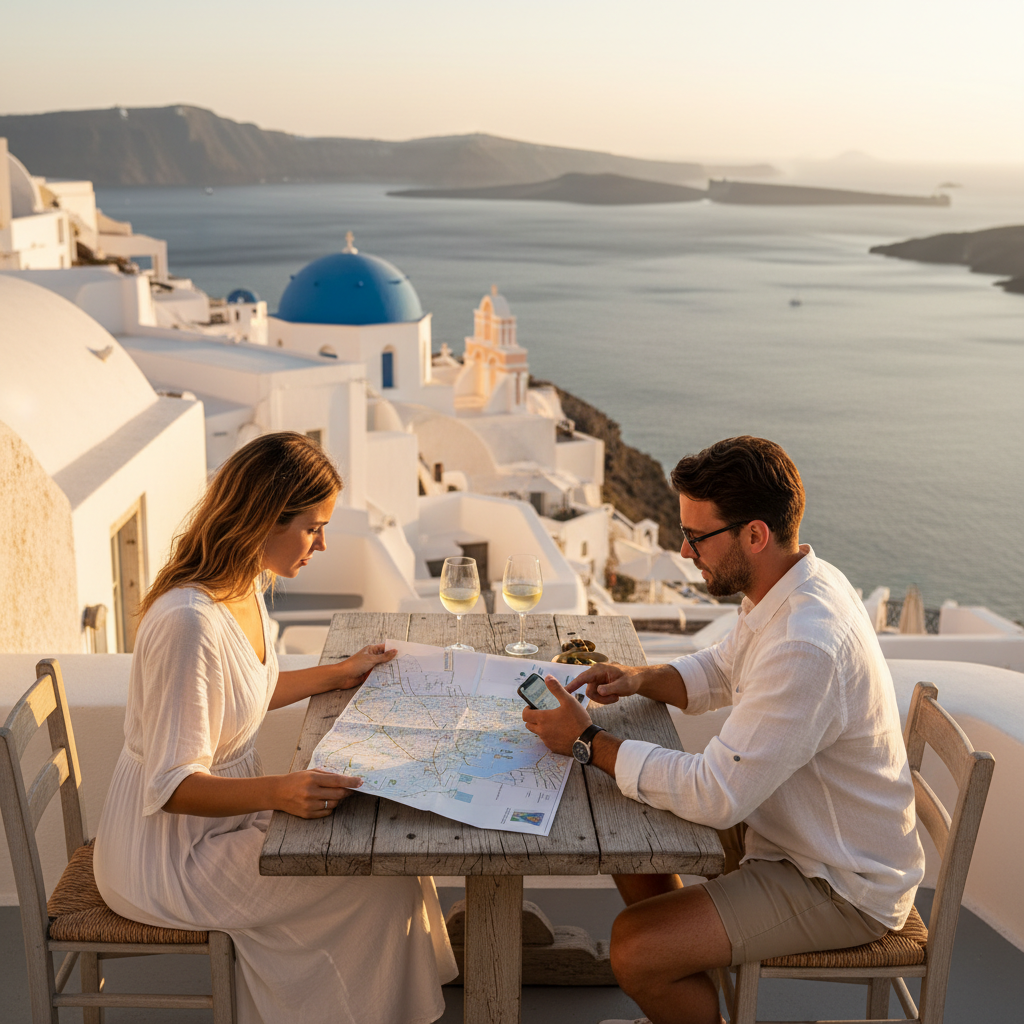
This guide focuses on decisions that change your trip: season, island logic, ferry vs flight tradeoffs, budget reality, and practical safety. You’ll also get a few ready-to-use itinerary templates and a packing list that matches Greece’s real conditions.
Key takeaways: pick a season that matches your tolerance for heat and crowds, limit island-hopping, build buffers around ferry days, and book the right things early while leaving meals and neighborhoods flexible.
What’s different about Greece travel in 2026 (and what stays the same)
Most Greece travel “trends” change slowly. What stays consistent is the core logistics: islands fill up in summer, ferries run on their own rhythm, and the best moments often happen away from famous viewpoints.
A few things to keep on your radar for 2026: flight capacity and hotel pricing can fluctuate by route and season, and popular islands may continue tightening visitor management in high-traffic spots. Policies can change, so treat any one blog post as a snapshot, not a guarantee.
- Shoulder seasons still win: May–June and September–early October often balance weather and crowds better than July–August.
- Ferry planning still matters: even with good websites, weather and operational changes can shift schedules.
- Heat is not abstract: some inland sightseeing becomes uncomfortable midday in peak summer, especially for kids and older travelers.
According to the U.S. Department of State, travelers should review country-specific safety information and keep an eye on local conditions while abroad.
Choose your season: crowds, costs, and weather in plain terms
Season choice is where the best travel guide for greece 2026 starts paying for itself, because it determines your budget, comfort, and how much Greece you actually see versus wait for.
| When | What it feels like | Best for | Tradeoffs |
|---|---|---|---|
| Apr–May | Mild, greener landscapes | Athens + mainland, quieter islands | Sea can be cool, some tours run limited |
| Jun | Summer energy, manageable crowds | Island mix without peak chaos | Prices rise quickly |
| Jul–Aug | Hot, busy, booked | Nightlife, beach-first trips | Heat, lines, higher costs, tight availability |
| Sep–Oct | Warm water, calmer pace | Island time + food/wine travel | Some services taper late Oct |
| Nov–Mar | City-focused, cooler | Athens, museums, mainland culture | Many islands feel “off-season” |
If you only have one week and want iconic island scenery, late May, June, and September are usually the easiest wins. If your trip is family-heavy, avoiding late July and August can make everyone’s mood better, fast.
Pick the right mix: Athens, islands, and mainland without overstuffing
A common mistake is treating Greece like a checklist of famous places. You can do Athens + three islands + a mainland loop in 10 days on paper, but the ferry transfers and hotel changes often eat the trip.
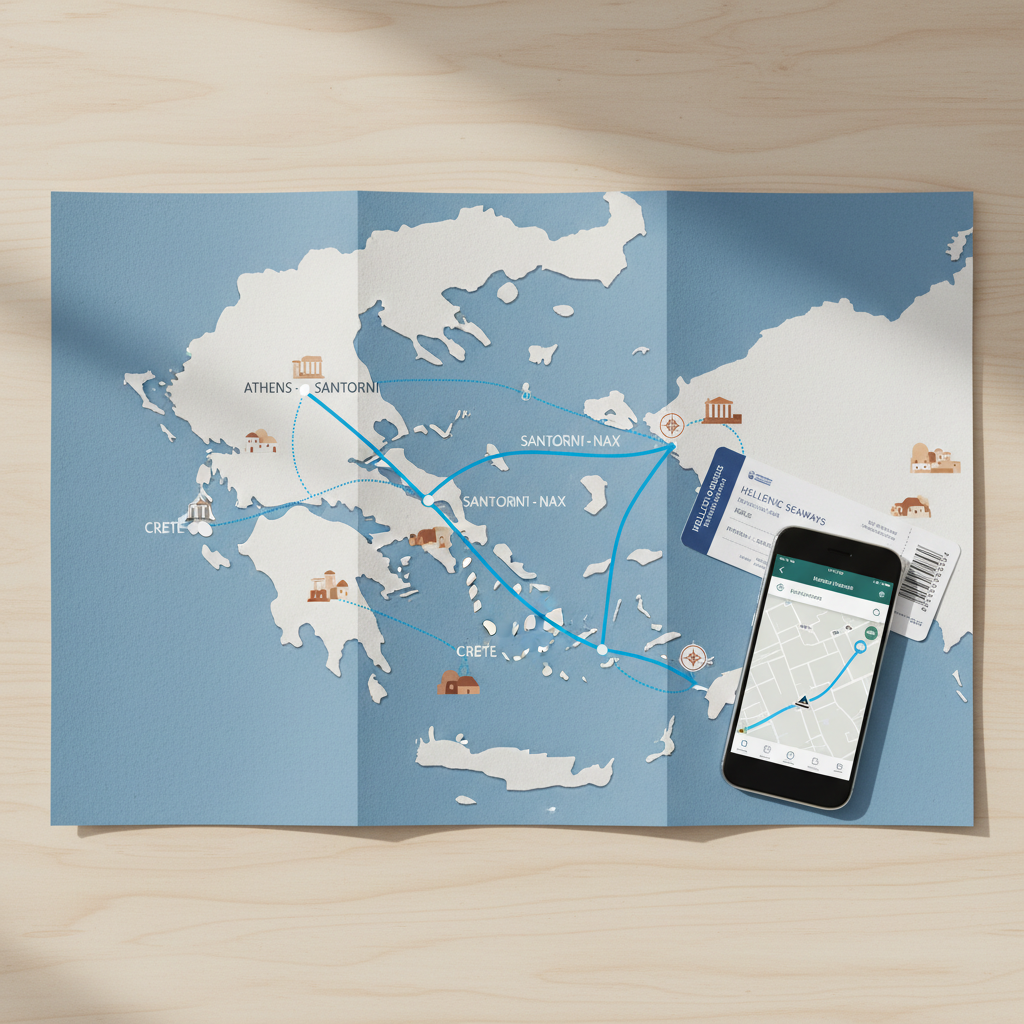
Think in clusters. The Cyclades are not “next to” Crete in the way your brain wants them to be, and a quick hop can turn into a long travel day depending on schedules.
Simple planning rule that works
- 7 days: Athens (2) + one island (4) + buffer (1)
- 10 days: Athens (2–3) + two islands (6–7)
- 14 days: Athens (3) + two islands (8) + mainland day trips or one mainland base (3)
Quick personality match (useful, not perfect)
- Santorini: scenery, romance, splurge hotels, short stay works well
- Mykonos: nightlife and beach clubs, usually pricier
- Naxos/Paros: balanced beaches + villages, easier for families
- Crete: big island, can be a full trip alone, great food and variety
- Rhodes/Corfu: strong old towns and history, different vibe than Cyclades
If you’re trying to choose between “signature views” and “actual relaxation,” it’s often smarter to do one iconic island plus one practical island, instead of two headline islands back-to-back.
Getting around: flights, ferries, and the day you should not overbook
Transportation is where plans quietly break. The trick is not perfection, it’s building enough margin that small delays don’t cascade into missed dinners and no-show hotel fees.
According to the Hellenic Coast Guard, ferry operations can be affected by weather and safety conditions, which is why travelers should stay flexible and confirm departures close to travel days.
Practical ferry pointers
- Don’t schedule “last ferry + sunset dinner” as if nothing changes, keep that evening light.
- Pack for the vessel: windy decks, strong A/C inside, and limited seating in busy months.
- Choose fewer, longer legs: two medium transfers often feel worse than one longer direct route.
When flying makes more sense
- If you’re jumping between far clusters (example: Athens to Crete, then back)
- If you have limited PTO and a ferry day would cost a whole vacation day
- If traveling with mobility constraints, where port stairs and crowds become stressful
On islands, renting a car can unlock beaches and small villages, but it’s not mandatory everywhere. In many towns, you’re happier walking and using short taxis, especially when parking becomes a daily argument.
Where to stay: the neighborhood decisions that change your trip
Hotel quality in Greece can be amazing, but location matters more than star ratings. A small room in the right area often beats a nicer room that turns every dinner into a 40-minute commute.
Athens (common choices)
- Plaka / Koukaki: walkable to major sights, easy for first-timers
- Syntagma: central transport access, good for short stays
- Kolonaki: polished, quieter evenings, more boutique feel
Islands (a reality check)
- Clifftop views can mean stairs and distance from beaches
- Beach towns are convenient for swimming, but may feel less “Greek postcard”
- Port area stays help with ferry logistics, but can be noisy in peak season
If you care about sleep, read recent reviews for noise and A/C performance. In summer, these details matter more than the lobby photos.
Budget and booking: what to reserve early vs keep flexible
For Americans planning ahead, the best approach is selective commitment. Book the items that can bottleneck your itinerary, keep the rest loose enough to follow your energy and the weather.

As a rough rule, you usually want to lock in flights and lodging earlier for July–August and for the most popular islands. In shoulder season, you can often wait longer, but great rooms still disappear first.
Book earlier (often worth it)
- International flights and your first two nights in Greece
- Hotels with specific views or limited inventory
- Key ferries on transfer days, especially morning departures
- One “anchor” experience: sunset cruise, a food tour, or a special dinner
Keep flexible (your trip will feel better)
- Most lunches and casual dinners
- Beach days and small town wander time
- Museum timing, unless you’re visiting on peak weekends
If you’re hunting value, don’t assume the most famous island is the best use of your budget. A slightly less famous base can deliver better food, bigger rooms, and fewer crowds, and you can always day-trip to the headline spot if you really want it.
Safety, health, and comfort: realistic precautions that don’t ruin the vibe
Greece is generally straightforward for tourists, but small issues tend to be predictable: heat exposure, petty theft in crowded areas, and transportation confusion on transfer days. Handle those and you’ll likely feel relaxed.
According to the Centers for Disease Control and Prevention (CDC), travelers should review destination-specific health guidance and routine vaccinations before international travel, and consult a clinician for personal medical advice.
- Heat: carry water, plan big ruins early, take a midday pause if needed, this is not weakness, it’s strategy.
- Sun: reef-safe sunscreen preferences vary by area, and rules can differ, so check local guidance.
- Belongings: in busy zones, keep phones and wallets secure, and be extra careful on transit.
- Driving: if you rent a car, confirm insurance details and local road rules, and drive conservatively on narrow roads.
If you have a medical condition or are traveling while pregnant, it’s smart to ask a healthcare professional about heat, long ferry rides, and medication storage, since these are the practical friction points on Greek trips.
Ready-to-use itineraries (7, 10, 14 days) + packing and on-the-ground tips
These sample plans keep transfer stress low. Swap islands based on your preferences, but try to keep the structure intact, because that’s what protects your time.
7 days: Athens + one island
- Days 1–2: Athens core sights, one neighborhood food walk
- Days 3–6: one island base, 1 day for a boat trip or beach circuit
- Day 7: return buffer, last dinner in Athens near your hotel
10 days: Athens + two islands (balanced)
- Days 1–3: Athens + a half-day trip (choose one, not three)
- Days 4–7: island #1, slower rhythm
- Days 8–10: island #2, then fly or ferry back with time margin
14 days: Athens + two islands + mainland texture
- Days 1–3: Athens, museums and food
- Days 4–8: island #1, add one day trip
- Days 9–12: island #2, keep one full “do nothing” day
- Days 13–14: mainland base or return to Athens with breathing room
Packing list that actually matches Greece
- Comfortable walking shoes for marble and uneven stones
- Light layers for ferry A/C and evening breeze
- Sun kit: hat, sunglasses, sunscreen, refillable bottle
- Power setup: outlet adapter and a portable charger for navigation days
If you want a final gut-check: the best travel guide for greece 2026 usually pushes you to do slightly less, sleep slightly more, and keep one unscheduled afternoon per location, because that’s where Greece tends to feel like Greece.
Conclusion: how to plan Greece the smart way (without killing spontaneity)
Greece trips go well when you protect your core structure, then let the small details happen naturally. Choose a season you can tolerate, pick a simple route, and treat transfer days like travel days, not sightseeing days.
If you’re planning now, your next move is straightforward: pick your travel window, choose one island cluster, then reserve flights and the first critical stays. After that, build in buffer time and stop optimizing, you’ll enjoy the trip more.